

WISE Partners Meet in Sofia to Strengthen Holistic Support for Ukrainian Refugee Women
29/06/2026
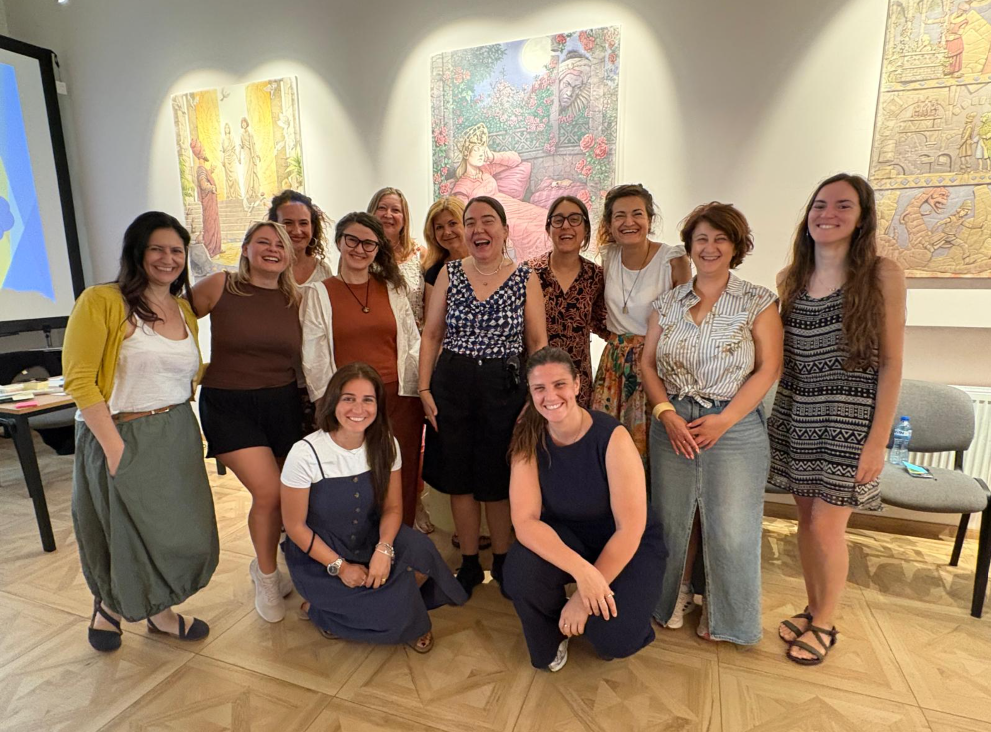
From 24 to 26 June, partners of the WISE (Supporting Ukrainian Refugee Women’s Socio Economic Integration and Wellbeing) ESF+ project, gathered in Sofia, Bulgaria, for a three-day exchange visit dedicated to strengthening the Holistic Support Centre (HSC) model and sharing practices that support the social and economic inclusion of Ukrainian refugee women.
Hosted by Animus Association Foundation (Animus), the visit brought together project partners from Bulgaria and Italy to exchange experiences from the Holistic Support Centres operating in Sofia, Rome, Turin and Milan. Through peer learning, site visits and collaborative workshops, participants reviewed project achievements, discussed implementation challenges and refined the HSC Toolkit to support its future replication across Europe.
Learning from Practice
The programme opened with a presentation by Maria Tchomariova, mental health expert from Animus Association Foundation, who introduced the organisation’s history, organisational structure and multidisciplinary approach to supporting vulnerable individuals. She highlighted how Animus combines psychological support, social services, training and advocacy through a network of specialised centres and multidisciplinary teams.
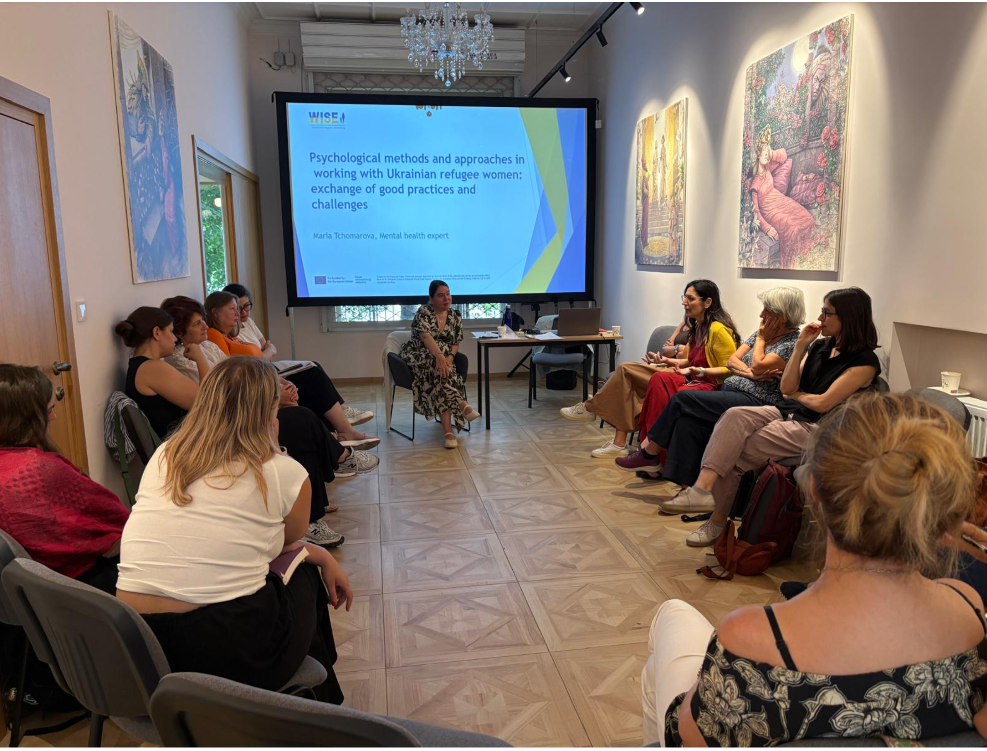
The discussion focused on trauma-informed psychological support for Ukrainian refugee women and highlighted approaches such as art therapy, mindfulness activities and group psychosocial support. Partners also exchanged experiences on the role of cultural mediators in therapy and case management, emphasising the importance of clear cooperation frameworks between therapists and mediators to ensure effective communication and trust.
Participants further discussed practical barriers affecting refugee women’s integration, including difficulties in converting residence documents, opening bank accounts and accessing stable employment.
Visiting Good Practices in Sofia
A key highlight of the exchange visit was the opportunity to see first-hand how integrated support services are delivered in Sofia through two study visits.
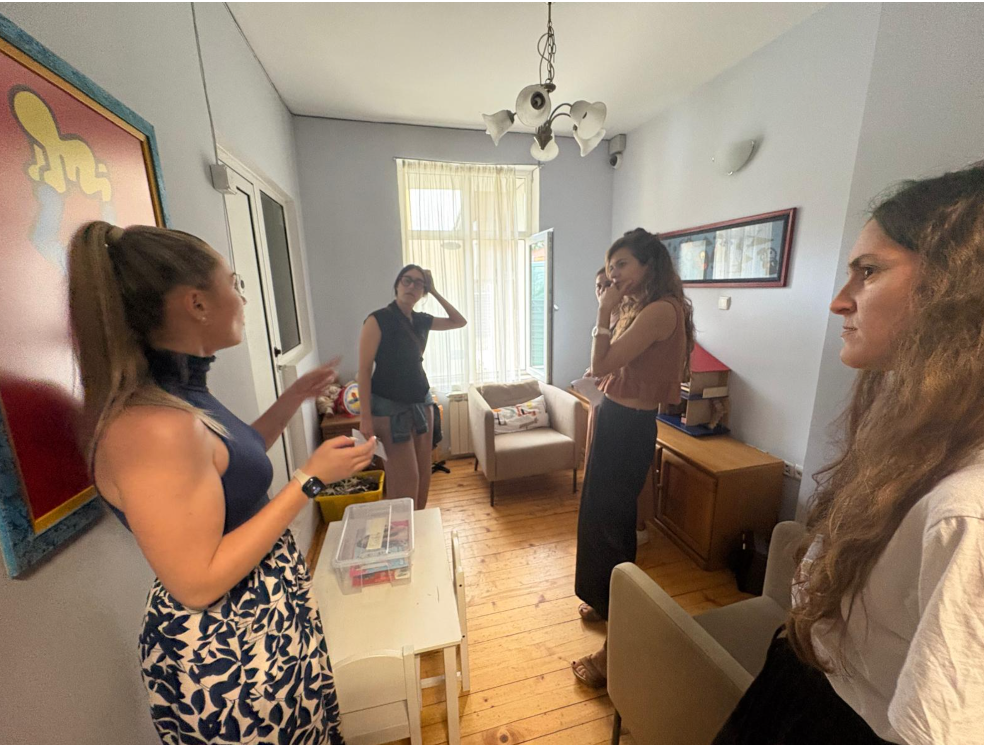
The first visit took place at the Animus Association Foundation headquarters, where partners learned more about the organisation’s multidisciplinary approach and the range of services it provides. Participants visited the Child Advocacy Centre, which offers comprehensive psychological, legal and social support to children affected by violence and their families in a child-friendly environment. They also toured the counselling facilities used for individual consultations and group support activities for women, gaining a better understanding of how trauma-informed and holistic services are organised in practice.
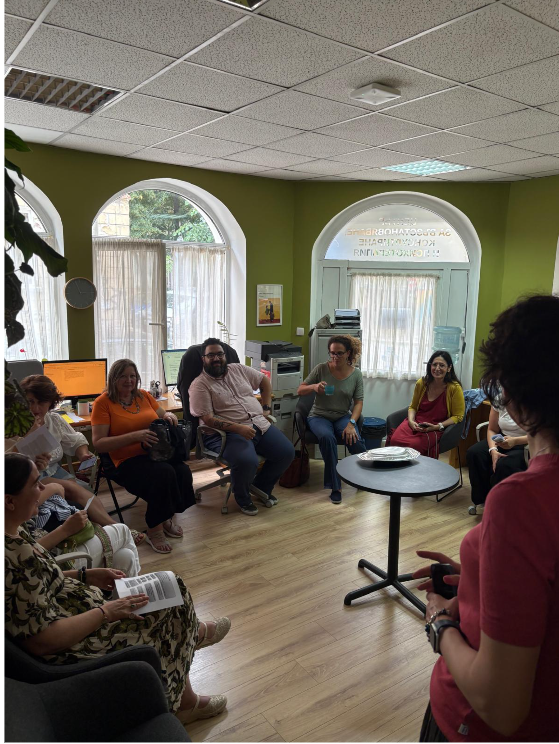
The second visit was to the Sofia Municipality Complex of Social Services, comprising the Community Support Centre for Children and Families and the “Mother and Baby” Unit. Although funded by the Bulgarian state through Sofia Municipality, the services have been managed by Animus since 2011, illustrating a strong partnership between public authorities and civil society in delivering integrated support to vulnerable children and families. During the visit, WISE partners participated in group activities with Ukrainian refugee women, engaging directly with beneficiaries and observing how community-building and empowerment activities are delivered within the Holistic Support Centre model.
Evaluation Confirms the Value of Holistic Support
An important milestone of the exchange visit was the presentation of the project’s independent evaluation by external evaluator Adrienne Kiss and Monitoring Manager Mila Saskovic.
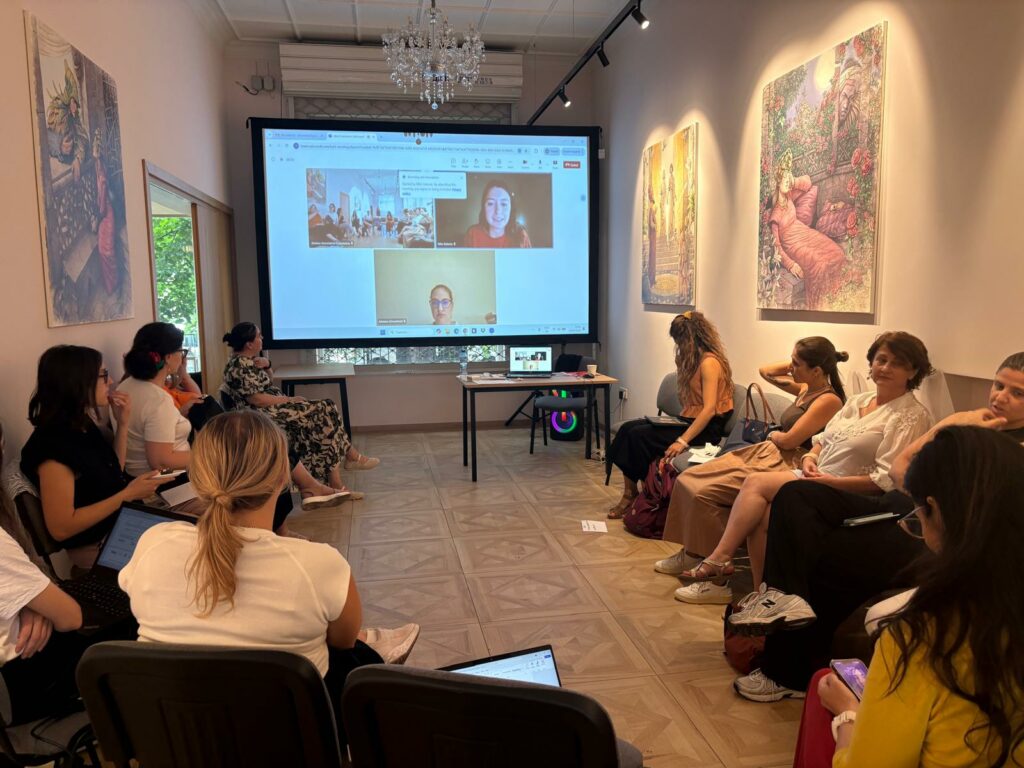
The evaluation assessed the effectiveness of the Holistic Support Centre model using the OECD-DAC evaluation criteria and combined interviews, focus groups, surveys and the Most Significant Change methodology.
The findings confirmed that psychological support is the most valued component of the HSC model and has significantly contributed to participants’ self-confidence, independence and sense of community. While employment outcomes continue to be influenced by structural labour market barriers, stronger engagement with employers was identified as an opportunity for future improvement.
The evaluation also highlighted the importance of sustainable local partnerships and referral mechanisms, while recommending greater investment in language learning, childcare, practical integration skills and accessibility for women with disabilities.
Refining the Holistic Support Centre Toolkit
Building on the evaluation findings, partners worked together to revise the draft of the upcoming Holistic Support Centre Toolkit, ensuring it reflects both evidence from implementation and lessons learned across partner countries.
Discussions focused on identifying the core components that should remain central to every Holistic Support Centre while allowing sufficient flexibility for adaptation to different national and local contexts.
Partners agreed that the HSC model should continue to combine:
- holistic case management;
- mental health and psychosocial support;
- employment and job-readiness services;
- group activities and community building;
- strong stakeholder engagement and referral networks;
- dedicated physical spaces with childcare provision whenever possible.
The consortium also reinforced the importance of trauma-informed and gender-sensitive approaches, safeguarding, digital safety, inclusion and meaningful participation of beneficiaries.
As leader of the project’s communication and scale-up activities, EARLALL participated in the exchange visit, presenting preparations for the project’s Final Conference, which will take place in Brussels on 16 September 2026. The event will bring together policymakers, regional authorities, practitioners and project partners to showcase the project’s results, present the Holistic Support Centre model and discuss opportunities for scaling up integrated support services for refugee women across Europe.
Looking Ahead
The Sofia exchange visit highlighted the value of peer learning and international cooperation in strengthening integrated support for displaced women. As the project enters its final phase, the revised Holistic Support Centre Toolkit and the lessons learned will support the model’s sustainability and replication across Europe.
As the communication and scale-up partner, EARLALL is proud to promote the WISE approach and its results. By supporting the transfer of the Holistic Support Centre model, EARLALL contributes to the development of more inclusive regional policies and services that improve migrants’ skills, employment opportunities and psychosocial wellbeing.