

Mobility Matchmaking Exchange at SOC (Barcelona): Strengthening Inclusive Employment and Skills Cooperation Across Europe
25/05/2026
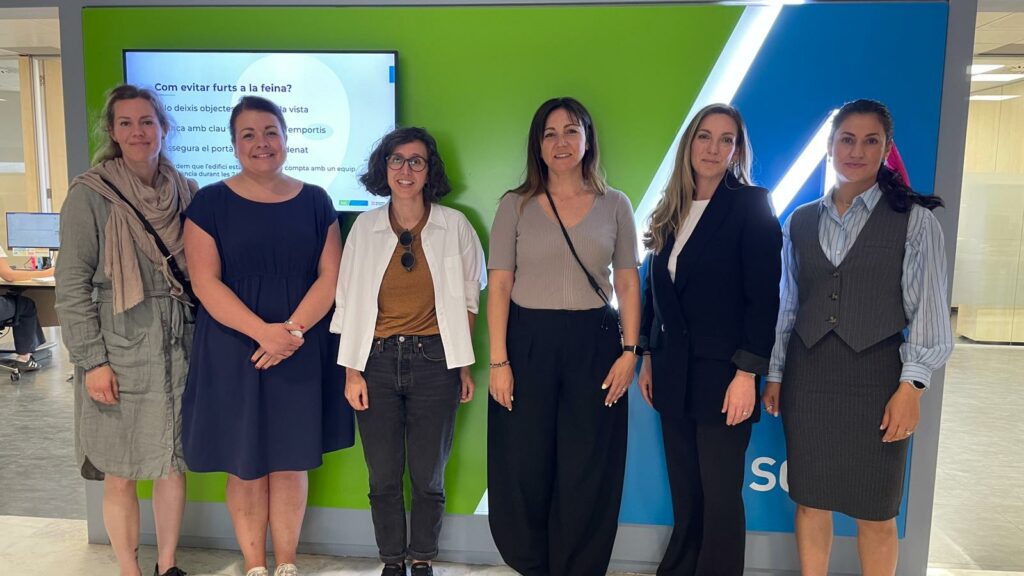
In May 2026, representatives from the Working Life Department of Borås Stad (Sweden) took part in a three-day job-shadowing exchange hosted by the Public Employment Service of Catalonia (SOC) in Barcelona. The visit was funded by the Erasmus+ programme and facilitated through the EARLALL Mobility Matchmaking Tool and the Pact for Skills Regional Skills Partnership on Lifelong Learning Mobility.
The exchange brought together professionals working in employment services, HR, youth policy, and social innovation to explore how regional employment systems design and implement active labour market policies, with a particular focus on inclusion, skills development, and cross-border cooperation. In addition, the visitors carried out individual job shadowing activities throughout the visit, in line with the methodology and objectives of the Erasmus+ mobility grant.
The exchange also highlighted the complexity — and value — of creating meaningful peer-learning opportunities across different administrative and institutional contexts. As Ana Cáceres Gómez, Technical Officer at SOC’s International Programs Department, reflected: “Designing an agenda tailored to each job shadowing profile has not been easy, but it has been a very positive and enriching experience for SOC. What we have learned about the Working Life Department has especially highlighted the value of integrated services and direct collaboration between departments — an approach we are eager to understand more deeply, as it remains a key challenge for us.”
Nicholas Waller from Borås Stad also highlighted the importance of embracing institutional differences as part of the learning process: “It was a challenge in finding suitable matches when you consider language barriers, different ways of organizing services, and the sizable difference between our small Swedish city and the large region of Catalonia. However, discovering differences is part of the learning experience.”
He also emphasized the quality of the hosting experience, noting that participants “were met with such care and planning that they could truly focus on the full value of the mobility exchange.”
A comprehensive introduction to Catalonia’s public employment system
The programme provided participants with a structured overview of SOC’s institutional framework and its role within Catalonia’s active labour market policies. Sessions highlighted how SOC operates within a multi-level governance system, coordinating regional competences with national frameworks and a wide network of local partners.
Key areas of work presented included vocational training, youth employment support, inclusion programmes, and citizen-oriented employment services. Participants also learned about flagship initiatives such as the ACOL employment pathway, international cooperation projects, and inclusion-focused programmes such as ALMA.
A strong emphasis was placed on collaboration with municipalities, training centres, and social entities to ensure accessible and tailored employment support for diverse target groups.
The exchange offered participants the opportunity to better understand how regional employment services integrate multiple policy layers into coherent delivery systems while adapting services to local labour market realities.
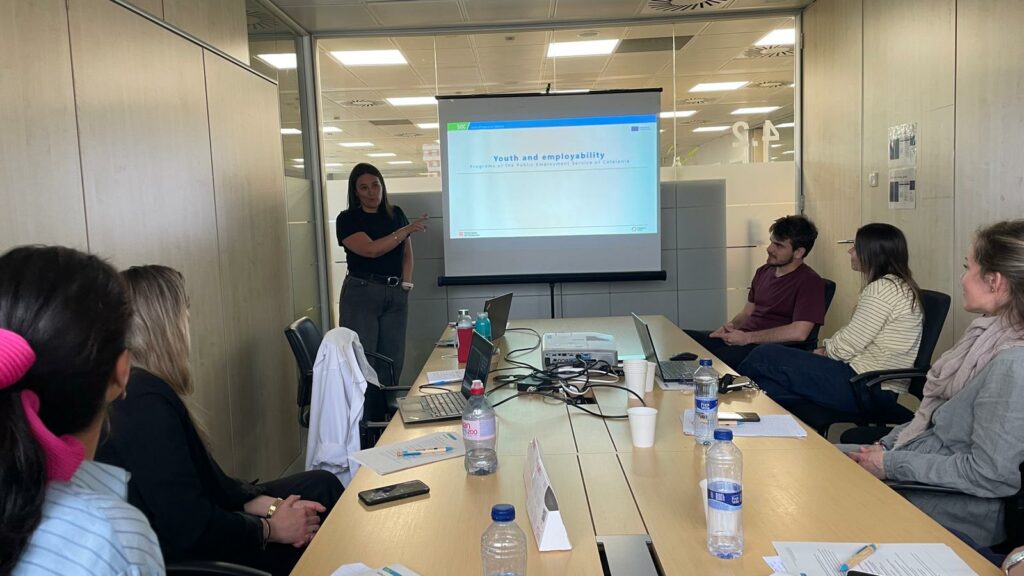
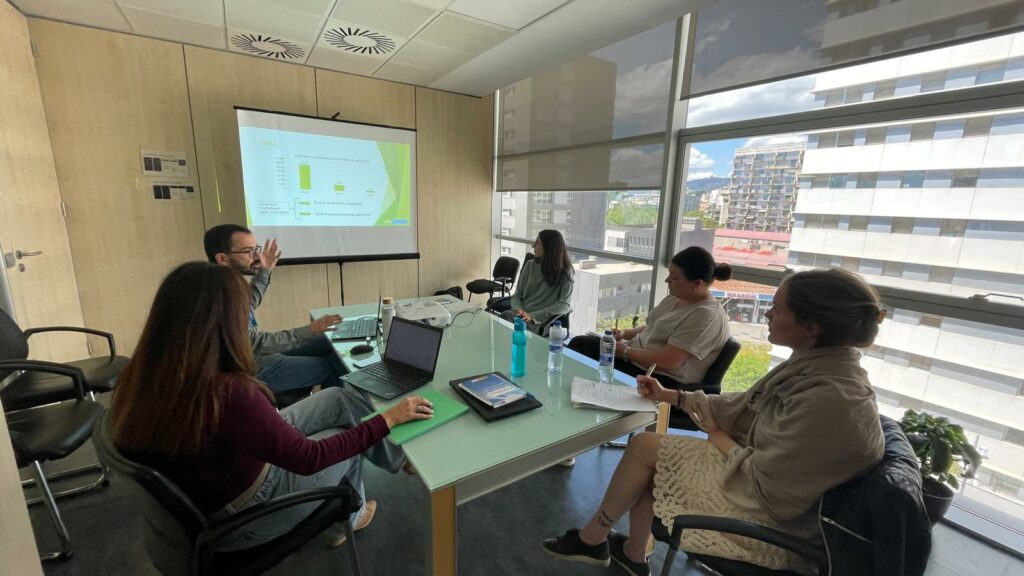
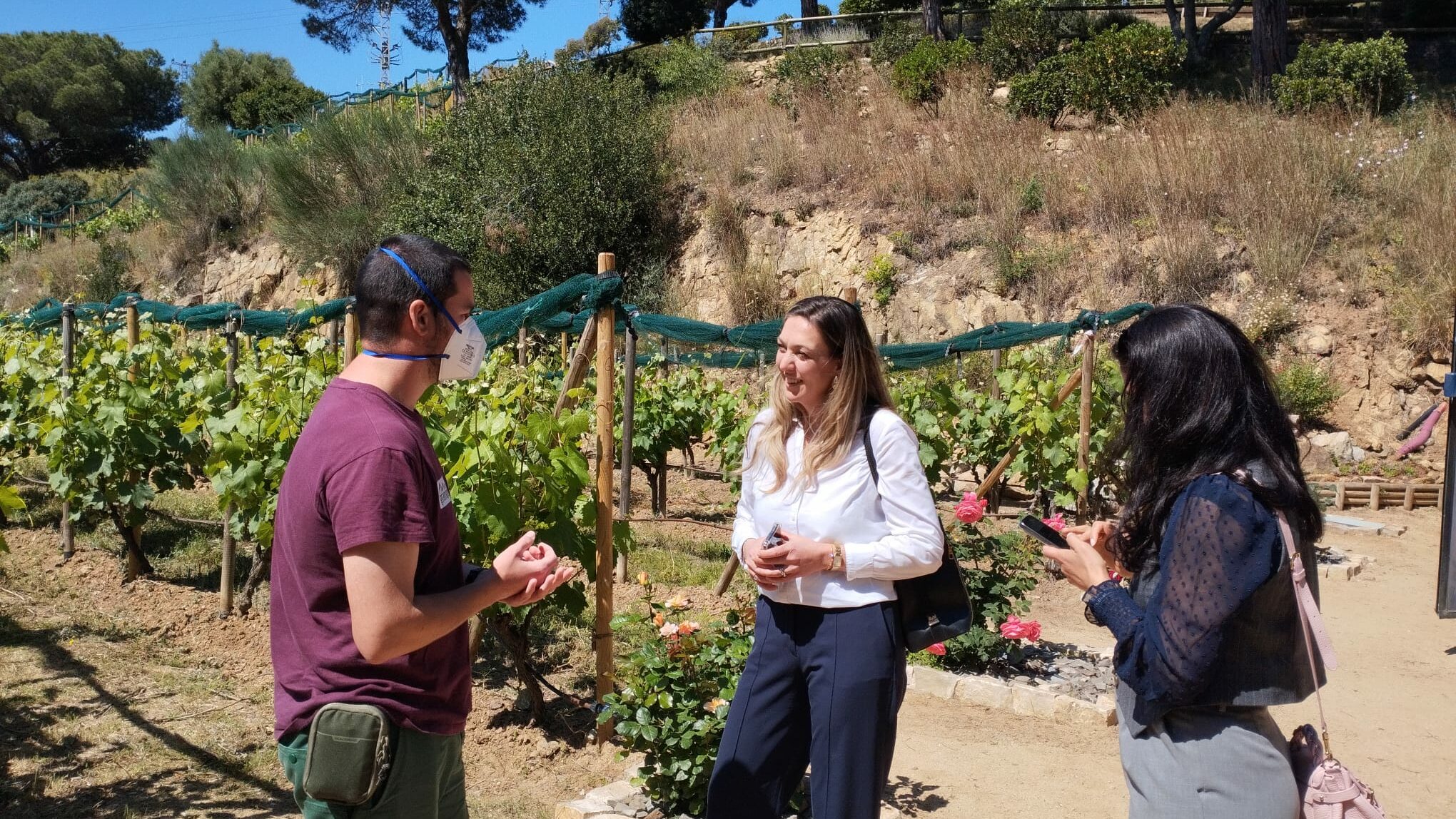
Parallel job-shadowing activities across services and territories
Over three days, participants engaged in parallel job-shadowing tracks adapted to their professional profiles. Some followed SOC’s central services, gaining insight into programme design, strategic coordination, internal governance, and social innovation initiatives, including pilot projects and evaluation mechanisms.
Others visited local employment ecosystems such as Grameimpuls in Santa Coloma de Gramenet, observing how work-based learning, vocational training workshops, and sector-specific pathways — including hospitality training — support labour market integration at municipal level.
Another group focused on employment programme management and technical coordination, exploring EU-funded initiatives, grant management systems, staff recruitment processes, and competence-based assessment approaches.
A dedicated inclusion-focused session explored how SOC integrates equality principles into programme design and prioritises support for people in vulnerable situations.
Emelie Persson (Borås Stad) particularly highlighted SOC’s proactive approach to identifying competencies and supporting job seekers early in the process: “SOC worked proactively to establish early contact with job seekers to identify and validate each individual’s competencies. This included both visible qualifications and experience that may not always emerge during an initial review of a person’s work history.”
She also noted the similarities between Barcelona and Borås in their approaches to tackling youth unemployment, particularly through outreach-based work with young people. One initiative that particularly stood out for participants was a programme supporting women’s access to male-dominated professions. As Emelie Persson explained: “What particularly stood out and fascinated me was the project where 35 women were given the opportunity to acquire knowledge and work experience within a male-dominated profession, contributing to a broader recruitment base and a more gender-equal labour market.”
Key learning themes
Across the exchange, several common learning themes emerged:
- The importance of multi-level governance in delivering employment services
- Strong collaboration between regional authorities, municipalities, and training providers
- Innovative approaches to youth employment and skills development
- The role of international cooperation in strengthening public employment systems
- Practical tools for programme monitoring, evaluation, and strategic coordination
Frida Augustsson (Borås Stad) highlighted the preventive and motivational dimension of SOC’s work with young people: “It was rewarding to see how proactive they are at an earlier stage in supporting and preparing individuals. For example, they visit schools and work preventively to support and motivate young people to complete their education.”
She also reflected on the strong emphasis placed on individual responsibility and activation measures within Catalonia’s employment services model, particularly in supporting individuals to remain engaged and active in their employment pathways. Another aspect that stood out was the importance SOC places on external cooperation and ecosystem-building. According to Frida Augustsson: “They work closely and actively within networks such as schools, universities, and organisations connected to regional industry sectors and centres of expertise.”
She noted that this strong focus on external networking offered a valuable perspective on how employment services can strengthen labour market integration through partnerships and long-term cooperation with local actors.
Strengthening cooperation through peer learning
The exchange created a valuable space for mutual learning between Catalonia and Sweden, reinforcing shared priorities around inclusive employment, skills development, and lifelong learning mobility.
It also strengthened connections within the EARLALL Mobility Working Group and the broader Pact for Skills partnership, supporting ongoing collaboration on how regions can jointly respond to labour market challenges through knowledge exchange and staff mobility.
Several potential areas for future cooperation were identified, particularly in youth employment strategies, inclusion policies, and structured mobility pathways for professionals and learners.
The exchange also demonstrated how mobility activities can strengthen long-term institutional relationships and mutual understanding between regions. As Nicholas Waller summarised, despite organisational and contextual differences, the exchange created a highly valuable learning experience for all participants.
Looking ahead
This job-shadowing exchange at SOC highlights the continued value of peer learning between regional employment services in Europe. By placing practitioners directly in operational environments, the Mobility Matchmaking Tool helps transform policy exchange into practical cooperation and long-term partnerships.
The experience in Barcelona reinforces the importance of sustained investment in inclusive mobility initiatives that strengthen skills systems and support more connected, resilient public employment services across Europe.