

Lifelong Learning Platform General Assembly 2026: Putting Humanity at the Heart of Artificial Intelligence in Education
01/07/2026
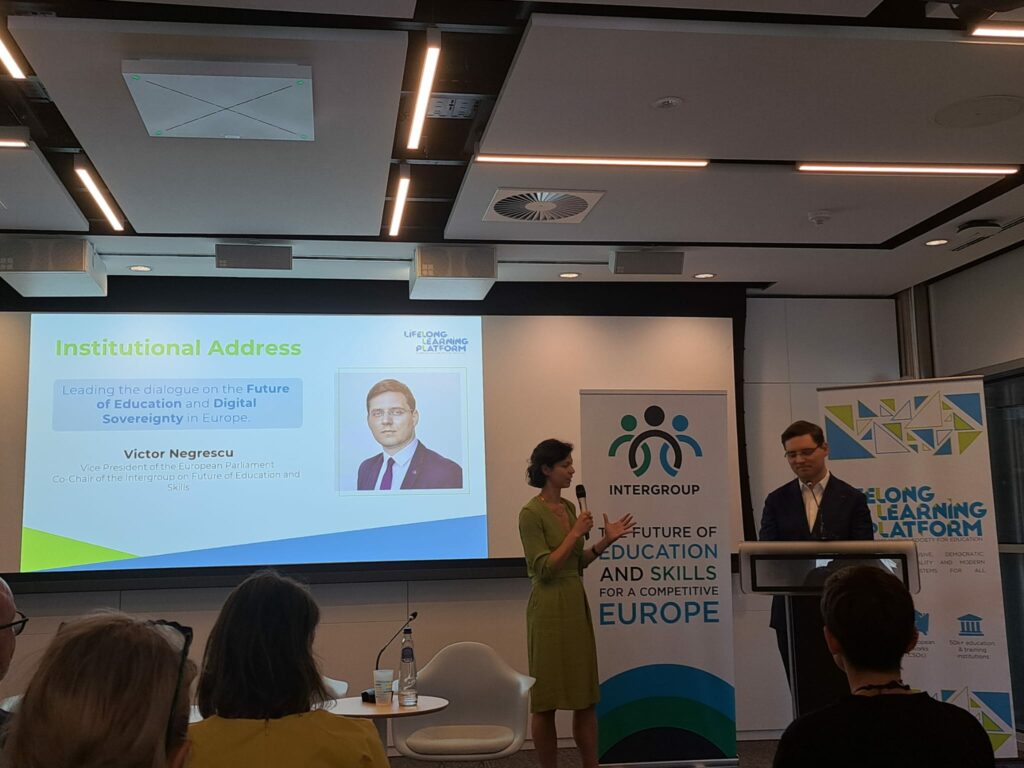
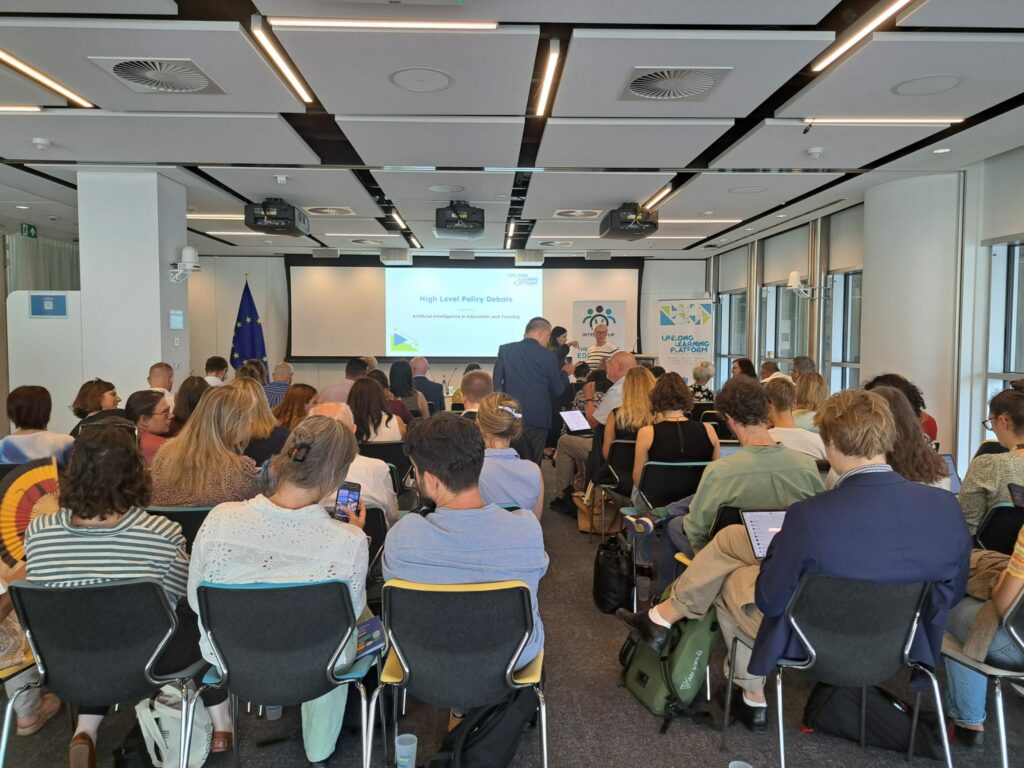
The Lifelong Learning Platform (LLLP) opened its 2026 General Assembly with a high-level policy debate on Artificial Intelligence (AI) in education and training, bringing together European policymakers, researchers, education providers, technology representatives and civil society to discuss how AI can strengthen lifelong learning while keeping learners at the centre. The event, which preceded the General Assembly, gathered stakeholders from across the education ecosystem to contribute to LLLP’s ongoing work on AI and lifelong learning.
Opening the event, LLLP President Elisa Gambardella recalled a powerful message from Executive Vice-President Roxana Mînzatu that set the tone for the morning’s discussions: “The more tech we have, the more humanity we need.” This guiding principle framed a timely debate as the European Union prepares several major education initiatives, including the forthcoming Teachers and Trainers Agenda, the Action Plan on Basic Skills and the STEM Education Action Plan. Participants agreed that these policy developments provide a unique opportunity to ensure AI strengthens education systems while preserving their human-centred mission.
The keynote address by Professor Rose Luckin (University College London), titled “Taming the Brave New World: Key Competences for AI, What’s at Stake for Lifelong Learning?”, challenged participants to rethink the relationship between education and artificial intelligence. Rather than fearing machines replacing humans, she argued that the greater risk lies in people becoming overly comfortable and allowing AI to replace essential human thinking and learning processes.
Professor Luckin stressed that performance should not be confused with learning. While AI may generate impressive outputs, education must remain focused on the learning journey itself rather than simply the final product. She highlighted an increasing separation between the product delivered and the evidence of genuine learning, calling for education systems to redesign assessment methods so they continue to value critical thinking, reflection and competence development rather than outputs alone.
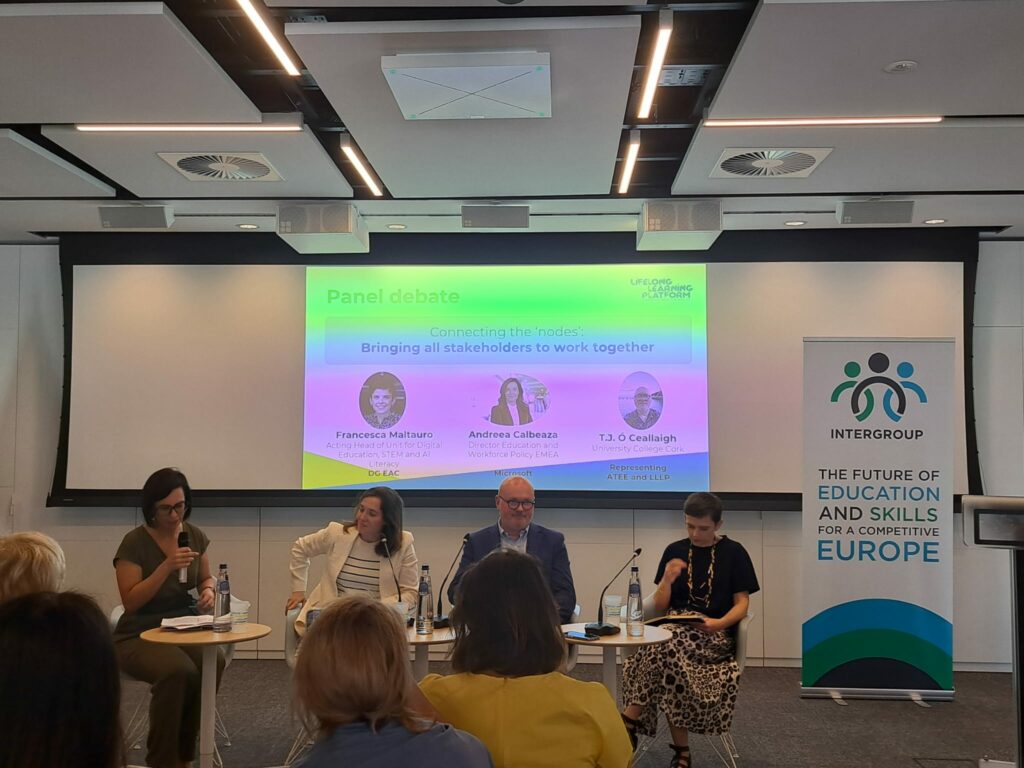
These ideas resonated strongly throughout the subsequent panel discussion, “Connecting the Nodes: Bringing All Stakeholders to Work Together”, which gathered representatives from the European Commission, academia, industry and civil society. The discussion reflected a broad consensus that AI should complement—not replace—the uniquely human dimensions of education. Participants explored how AI can be responsibly integrated into teaching and learning, while improving assessment practices, safeguarding learners’ rights and ensuring robust protection of personal data. The debate repeatedly returned to the importance of preserving human agency, creativity and critical thinking as education systems increasingly adopt AI technologies.
Following the panel discussion, Vice-President of the European Parliament Victor Negrescu delivered the closing remarks for the high-level policy event. He emphasised that responding to AI in education cannot be the responsibility of individual Member States alone, stressing that artificial intelligence is a European—and indeed global—challenge requiring coordinated action.
Negrescu underlined that policymakers and public administrations cannot fully anticipate the impact of AI by themselves. Instead, future policies should be developed through open, participatory and co-creative processes involving educators, learners, researchers, technology developers and civil society. He also called on AI designers to develop tools specifically tailored to educational contexts, recognising the unique needs of learners and teachers. Finally, he urged both national governments and the European Union to establish dedicated funding for AI in education, ensuring that innovation benefits everyone and that no learner is left behind.
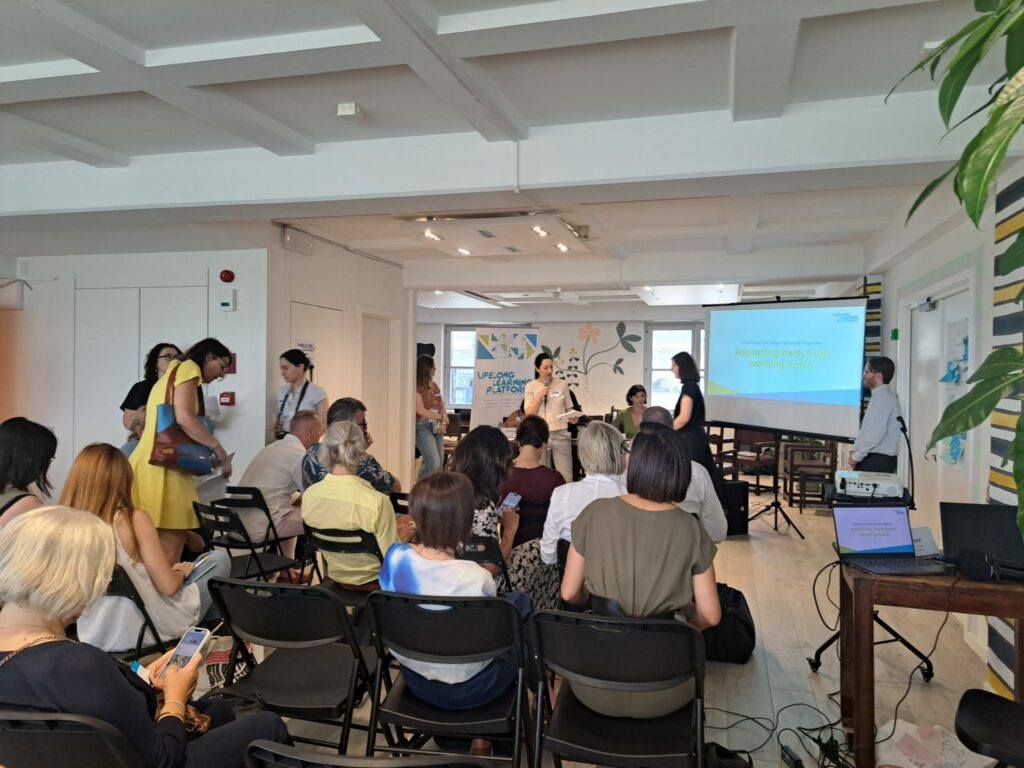
Participants then moved to the Lifelong Learning Platform premises, where the discussions continued over a working lunch. Divided into thematic groups covering early childhood and school education, vocational education and training, higher education, adult learning, and non-formal and informal learning, participants exchanged practical experiences and recommendations that will contribute to the development of LLLP’s forthcoming AI Working Paper.
The afternoon marked the official opening of the 2026 General Assembly. Over the following two days, members reviewed the Platform’s activities, discussed strategic priorities, approved governance and financial matters, and prepared the organisation’s future work programme. The General Assembly also provided an opportunity to strengthen cooperation across LLLP’s diverse membership and reaffirm the Platform’s shared commitment to inclusive, high-quality lifelong learning across Europe.
The combination of the high-level policy debate and the General Assembly reflected LLLP’s conviction that Europe’s digital transformation must go hand in hand with democratic participation, social inclusion and lifelong learning. As artificial intelligence continues to reshape education, the Platform’s message was clear: technology should enhance human potential, not replace it, and the future of AI in education must be built collaboratively—with learners, educators and society at its heart.
General Assembley – EARLALL Participation
The second day of the 2026 General Assembly focused on the Platform’s governance, strategic priorities and future activities. Members reviewed the implementation of the 2026 work plan and discussed key initiatives for 2027, including strengthening membership engagement, policy development and advocacy efforts at the European level. The EARLALL Secretariat participated as an associate member, contributing to discussions on European cooperation and lifelong learning policies.
Particular attention was given to the Platform’s inclusion and diversity strategy, ongoing work on funding and governance, and preparations for this year’s Lifelong Learning Awards, dedicated to the theme of validation.
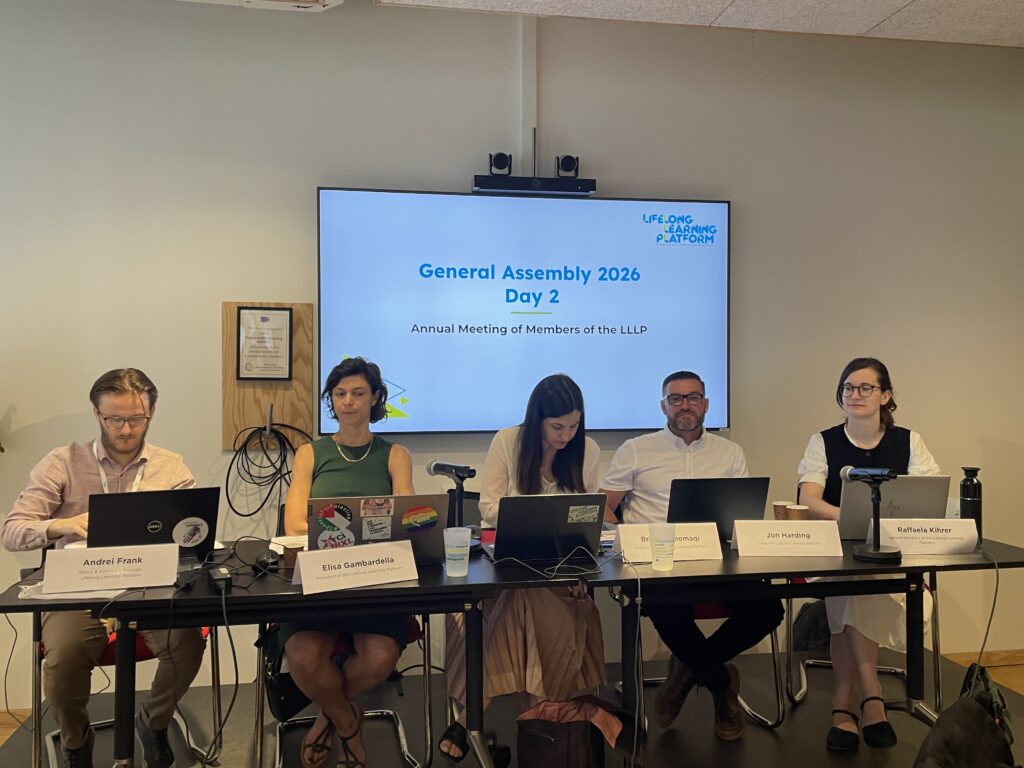
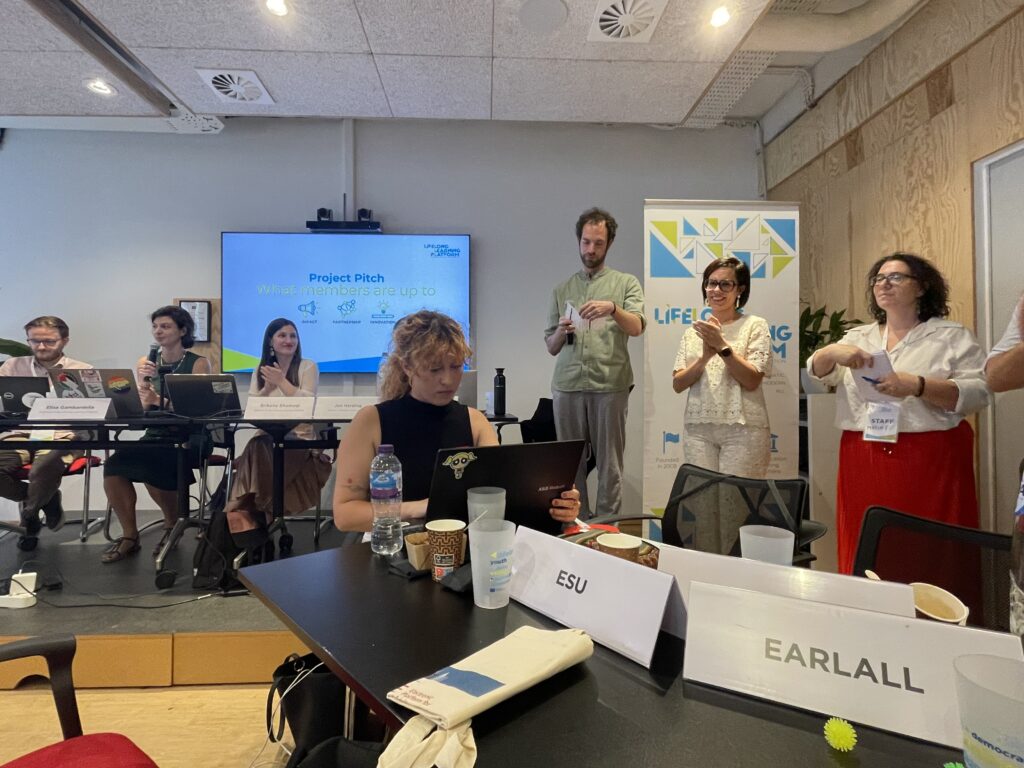
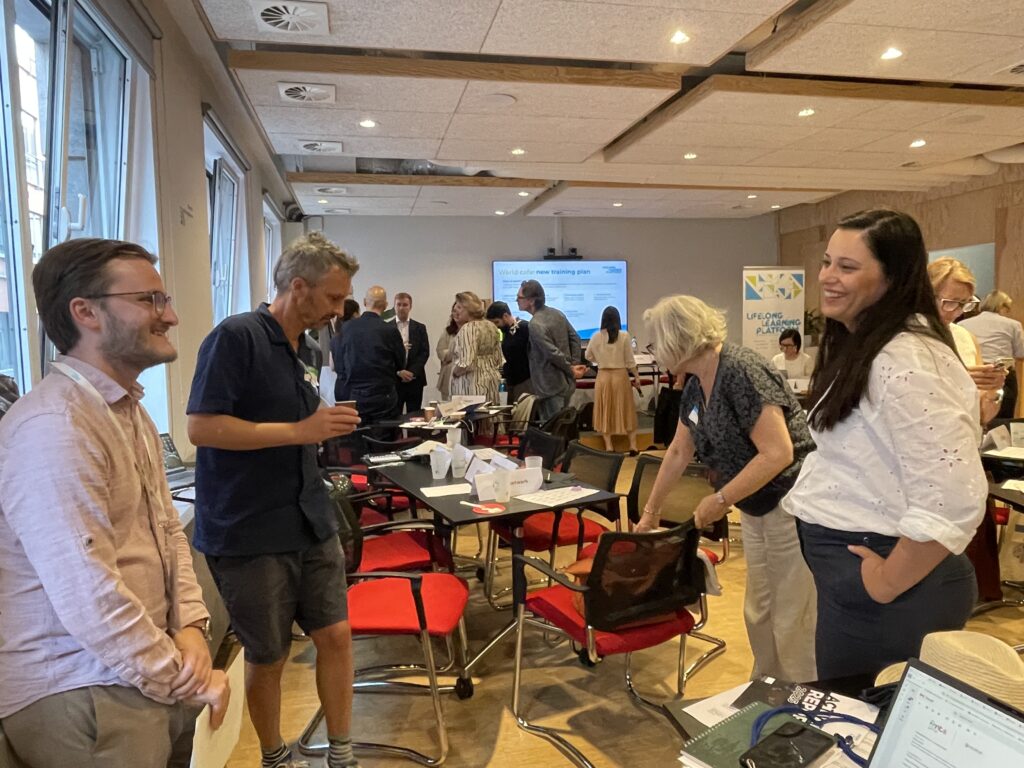
The day also provided valuable opportunities for networking, project development and peer learning through collaborative sessions and a world café on LLLP’s new Training and Learning Plan.
The General Assembly concluded with the election of new Steering Committee members and the formal welcome of three new member organisations, further reinforcing LLLP’s commitment to cooperation, inclusion and lifelong learning across Europe.