

EARLALL welcomes regional and university partners during the EU Social Forum
10/03/2026
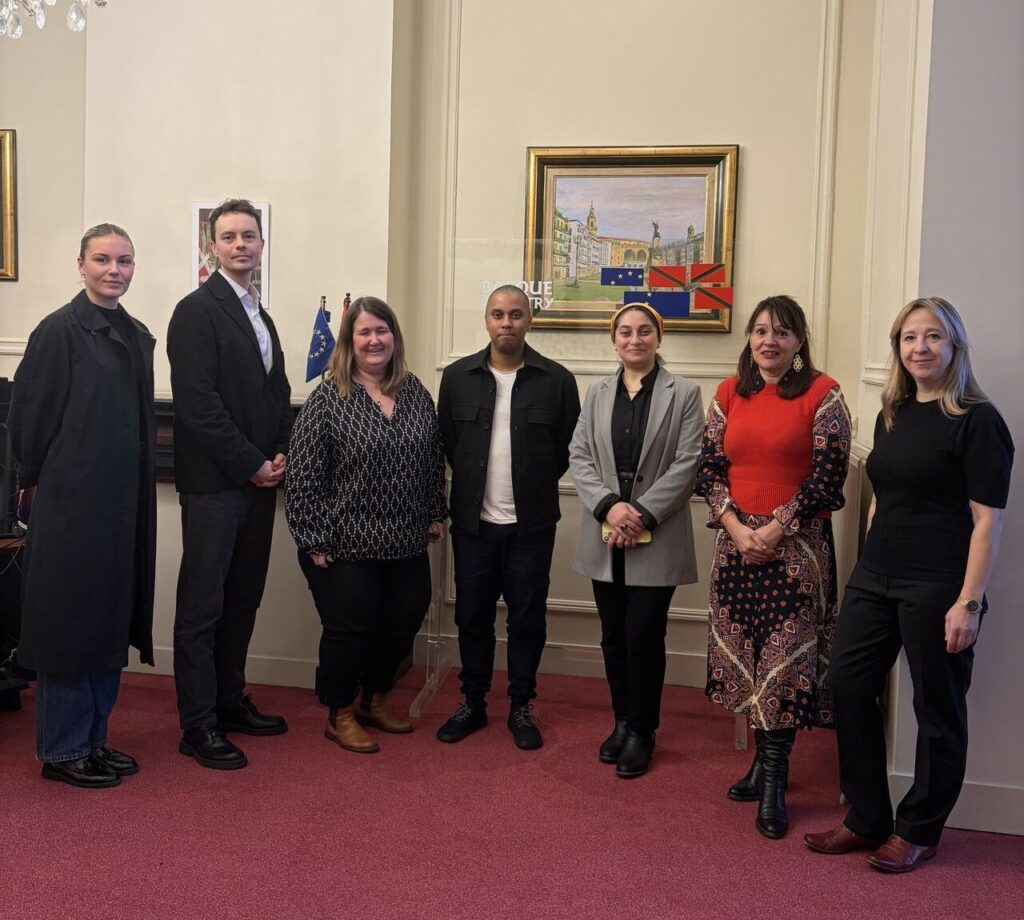
During the week of the European Employment and Social Rights Forum (EU Social Forum) 3-4 March 2026, in Brussels, EARLALL held several exchanges with regional and higher education stakeholders, highlighting shared challenges and innovative approaches to skills development and lifelong learning across Europe.
These meetings provided valuable opportunities to discuss regional perspectives on skills shortages, workforce transformation, and inclusive access to education—issues central to the EU Social Forum discussions.
Addressing skills challenges with partners from Northern Sweden
EARLALL welcomed a delegation from Northern Sweden composed of representatives from regional authorities and academia, including Region Västerbotten and Luleå University of Technology, as well as colleagues based in Brussels.
The exchange focused on the work of EARLALL in monitoring EU initiatives related to education, inclusion, mobility and skills development, as well as the role of regional cooperation and peer learning in supporting members to respond to common challenges.
Representatives from Northern Sweden highlighted the rapid economic transformation taking place in their region, particularly linked to the establishment of major battery production activities.
The discussion also addressed recent developments following the bankruptcy of battery manufacturer Northvolt, and the implications for workforce planning and regional resilience. Participants reflected on the importance of strengthening cooperation between vocational education and training (VET) providers and universities, as well as the potential role of EU instruments such as the Just Transition Fund in supporting regions facing structural change.
Expanding access to higher education: exchange with the Open University in Wales
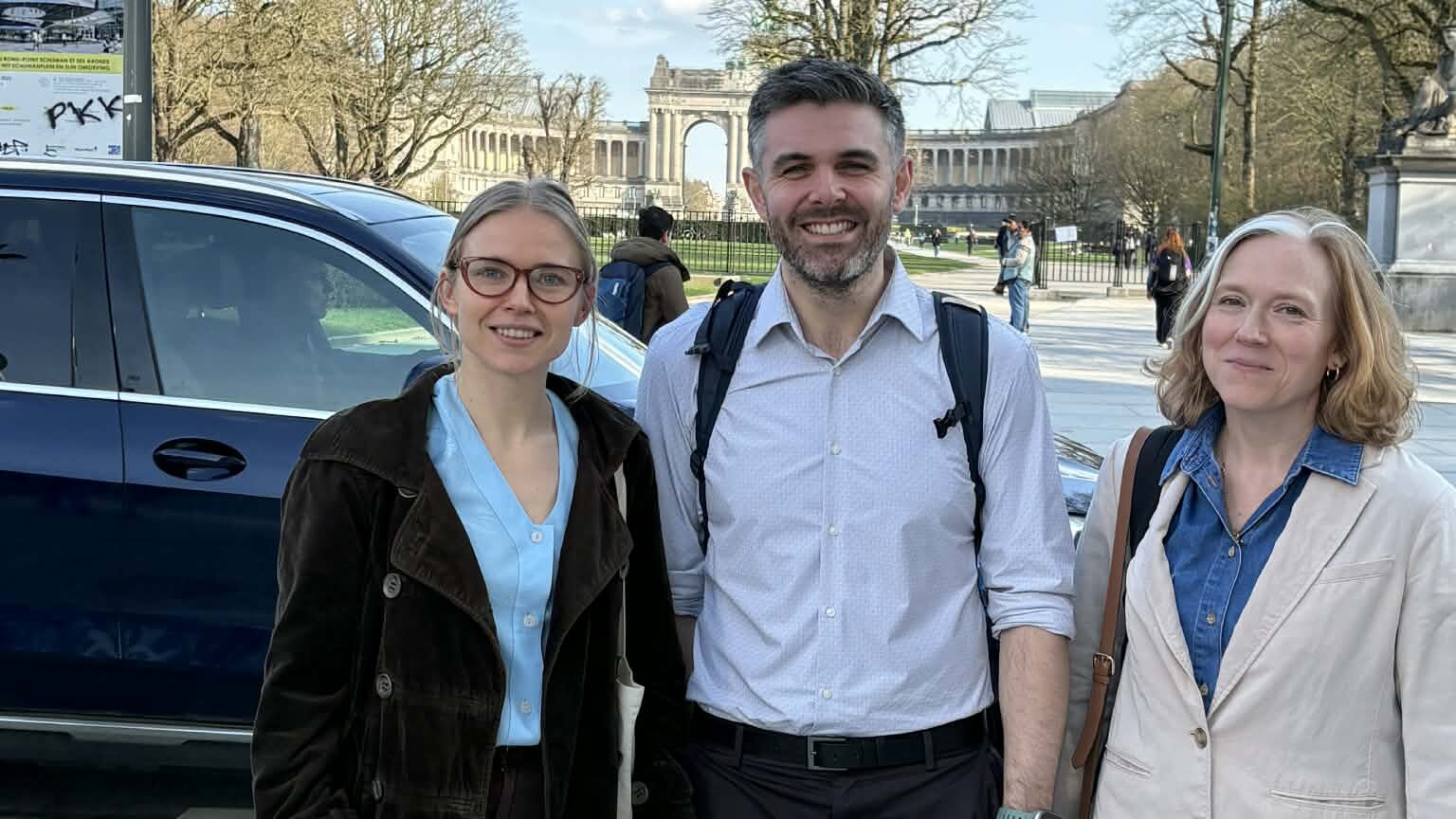
In a separate meeting, EARLALL colleagues met with representatives from the Open University in Wales and Universities Wales to discuss innovative approaches to widening access to higher education and supporting lifelong learning pathways.
The Open University in Wales currently serves around 17,000 students through a flexible online and distance-learning model designed to support diverse learner profiles. Participants presented the institution’s broad range of learning opportunities. The Open University also highlighted its flexible “Open Degree”, which allows learners to design their own qualifications by selecting modules across different subject areas—an approach that supports personalised learning journeys and lifelong upskilling.
The discussion also explored the Open University’s partnerships with the Welsh Government, schools, hospitals and health boards to deliver professional training programmes, including teacher training, nursing, social work and digital degree apprenticeships. These initiatives allow learners to study alongside work while directly addressing labour market needs in key sectors. At the same time, maintaining up-to-date curriculum content in rapidly evolving fields remains a significant challenge for higher education institutions.
Participants also discussed emerging opportunities in digital innovation in education, including the use of AI-driven predictive analytics to support student success by identifying learners who may need additional support.
The meeting concluded with an exchange on opportunities for European cooperation. UK universities, including the Open University, are increasingly encouraged to develop credit transfer systems to support skills portability and lifelong learning—priorities that resonate strongly with ongoing European policy discussions.
Representatives from the Open University in Wales also highlighted the importance of engaging with European networks such as EARLALL to better identify and prioritise potential EU project opportunities, particularly in a context where institutional resources for international cooperation are limited.
Continuing dialogue across regions
Both exchanges demonstrated the shared challenges faced by regions and education providers across Europe—from managing economic transitions and skills shortages to expanding access to flexible and inclusive learning opportunities.
They also reinforced the importance of dialogue between regional authorities, higher education institutions and European networks in developing effective responses to these challenges and strengthening lifelong learning ecosystems.