

EARLALL participated in the EU Civil Society Week 2026
10/03/2026
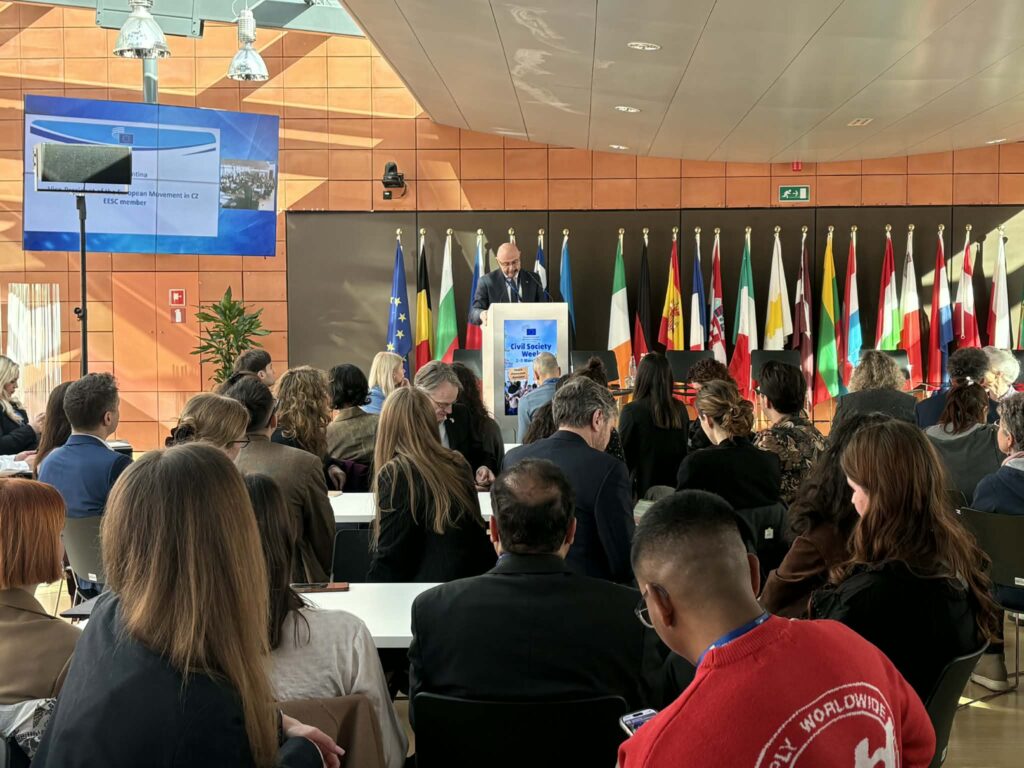
On 2 and 5 March 2026, EARLALL took part in several sessions organised in the framework of EU Civil Society Week 2026, hosted by the European Economic and Social Committee.
The event brought together policymakers, civil society organisations, education stakeholders and European institutions to discuss how education, civic participation and social engagement can contribute to strengthening democratic resilience across Europe.
Education and lifelong learning for democratic resilience
During the session on citizenship education and democratic resilience, speakers highlighted the key role of education systems in fostering active citizenship and strengthening democratic values.
Pavel Trantina, EESC Member, underlined the importance of lifelong learning and youth engagement in building resilient and non-polarised societies. He emphasised the need to recognise non-formal education, invest in adult learning, and promote digital balance and mental health literacy.
Elisa Gambardella, President of the Lifelong Learning Platform, stressed that citizenship education should be placed at the centre of education policies. She highlighted that democratic participation is strengthened through learning experiences throughout life and that citizenship education should be considered a foundational element of education systems.
Bridging policy and practice in citizenship education
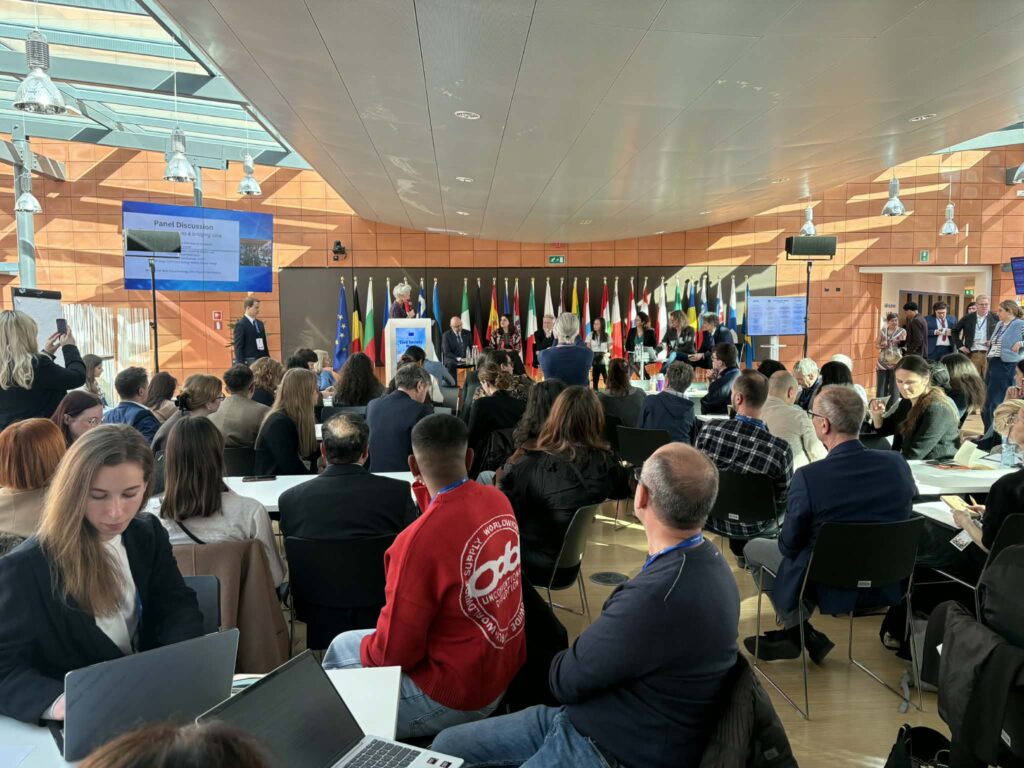
The high-level panel discussed how democratic values can be embedded more effectively in education systems and how cooperation between policymakers, educators and learners can support democratic participation. The discussion was moderated by Arja Krauchenberg, EPA Project Coordinator, and featured contributions from Brigitte van den Berg (Renew Europe Group, CULT Committee), Claudio Dondi (Education Inspiring Peace Lab), Lauren Bond from OBESSU, Suzana Carp (ECIT), as well as György Miklós (Szülői Hang) and Eszter Nagy from Union of European Federalists.
Cooperation between civil society, education institutions and local authorities
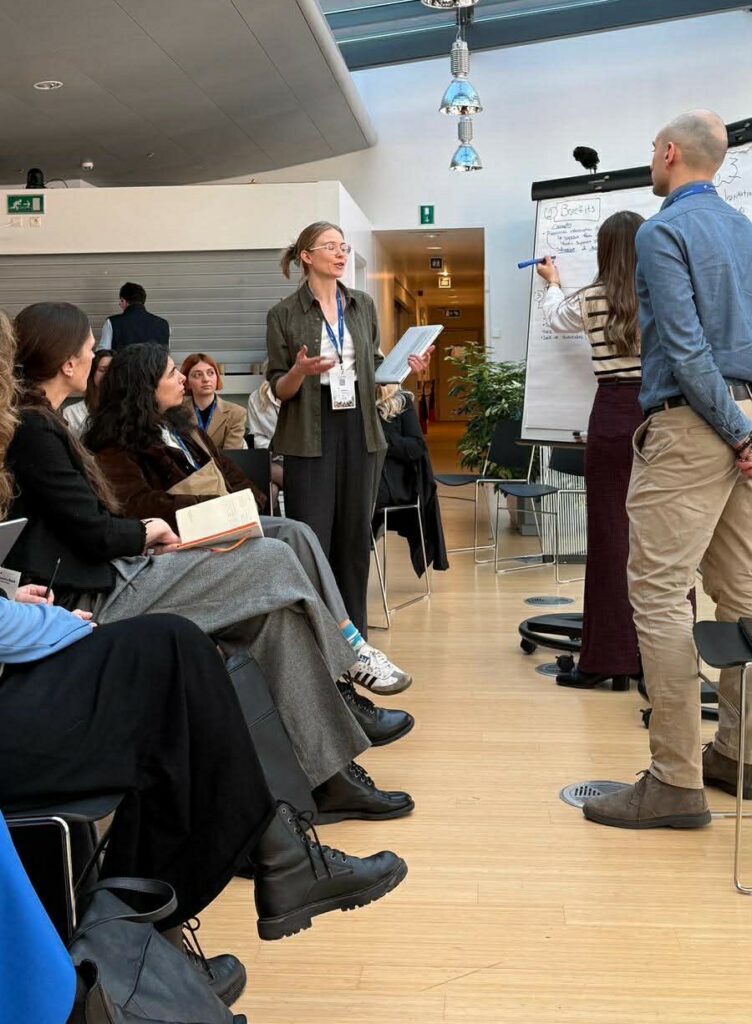
EARLALL contributed to discussions during the parallel session on synergies between training institutions, civil society organisations and local authorities led by EVBB and LLLP.
Participants explored how cooperation between these actors can strengthen citizenship education and civic engagement at the local level. Several examples demonstrated the value of local partnerships and community-based initiatives.
An example from Latvia showed how European Social Fund Plus (ESF+) funding can enable civil society organisations to organise citizenship education activities in schools when invited by educational institutions.
Funding civic space and strengthening civil society
On 5 March, EARLALL participated in the session “Funding Civic Space: the Role of the EU and Other Donors”, which explored the future of support for civil society across Europe.
The discussion was facilitated by Natacha Kazatchkine, Secretary General of the European Civic Forum, and brought together representatives from EU institutions, civil society organisations and philanthropic donors.
Speakers highlighted the increasing pressures faced by civil society organisations, including shrinking civic space and evolving funding landscapes. At the same time, participants emphasised the crucial role played by civil society in responding to major societal challenges, from the COVID-19 pandemic to humanitarian responses linked to the war in Ukraine.
Recognising invisible work in society
The final session focused on essential yet often undervalued forms of work, including care work, domestic services and other activities that support everyday life.
Speakers emphasised that this work is frequently carried out by women, particularly women from migrant backgrounds, and often remains under-recognised and insufficiently valued.
In this context, EARLALL highlighted the relevance of the WISE Project, which aims to improve the socio-economic inclusion and wellbeing of refugee women from Ukraine in Italy and Bulgaria. By piloting holistic support centres and providing gender-sensitive employment and social support services, the project contributes to strengthening women’s wellbeing and inclusion.
EARLALL is pleased to contribute to initiatives that promote women’s wellbeing, social inclusion and equal opportunities, reinforcing the role of education, lifelong learning and civil society cooperation in building more inclusive and resilient societies.
Our participation in the sessions of the EU Civil Society Week 2026 reflects EARLALL’s commitment to strengthening the role of education and lifelong learning in addressing societal challenges. These exchanges are closely linked to EARLALL’s Strategic Priority 3: Supporting the resilience of lifelong learning structures in the face of demographic and societal changes, highlighting the importance of cooperation between public authorities, education providers and civil society organisations in building resilient learning ecosystems across Europe.