

EARLALL participated in a hybrid event on VET Strategy
21/04/2026
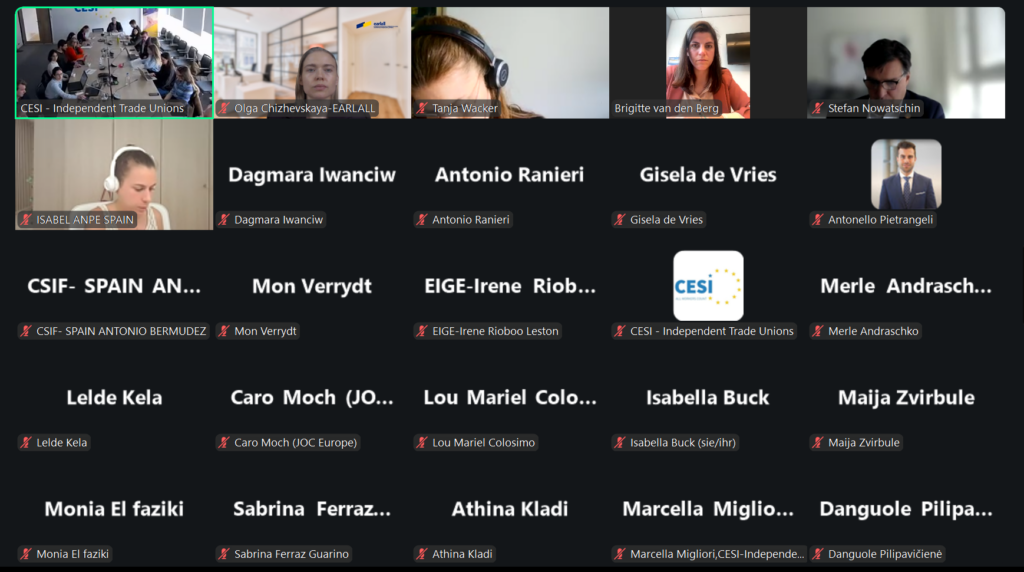
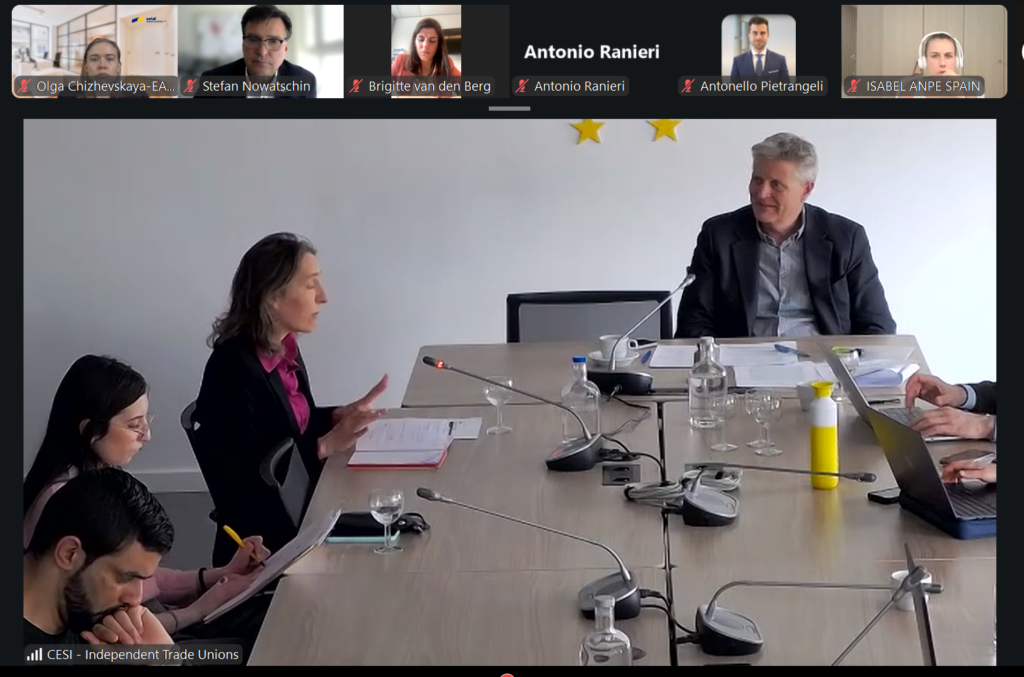
On 21 April, EARLALL participated in a hybrid event on “Vocational Education and Training (VET) – A new Strategy for competitiveness and quality jobs”, organised by the European Confederation of Independent Trade Unions (CESI).
The discussion was framed by key EU policy developments, including:
- Mario Draghi’s 2024 report on The Future of European Competitiveness, highlighting the central role of skills and knowledge in Europe’s labour force;
- The European Commission’s Union of Skills initiative (2025), placing human capital at the core of Europe’s prosperity agenda;
- The ongoing development of a new EU VET Strategy aimed at strengthening the attractiveness, excellence, and labour market relevance of VET systems.
Key Messages from Speakers
The event opened with a keynote by Panagiotis Chatzimichail (OBESSU), who called for a paradigm shift in VET. He stressed that VET should go beyond workforce preparation and actively promote social justice, critical citizenship, and empowerment. He highlighted key priorities, including addressing the academic-vocational divide, improving the quality and fairness of apprenticeships, ensuring inclusive access to digital and green skills, and strengthening student participation and European cooperation.
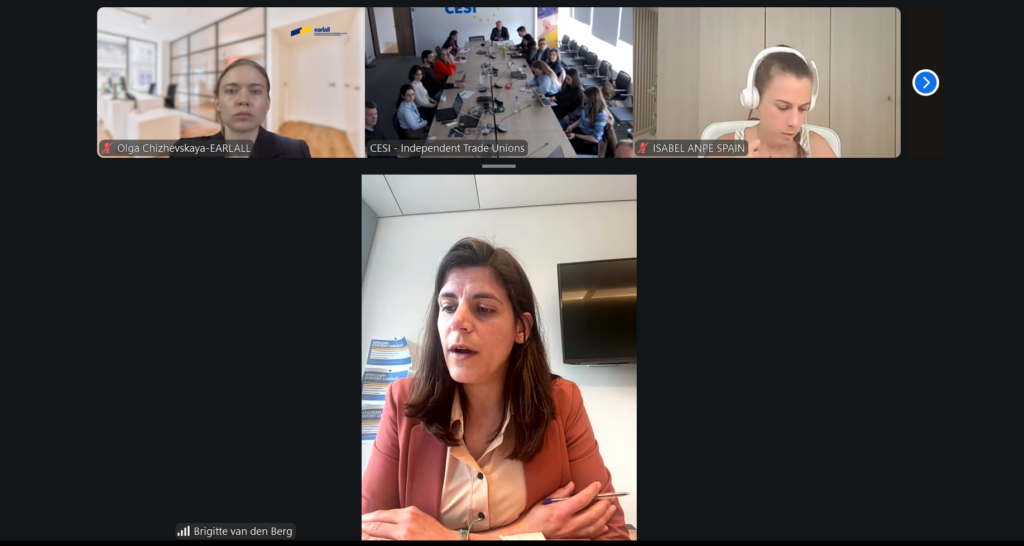
MEP Brigitte Van Der Berg underlined the persistent undervaluation of VET professionals and warned of a growing gap between university-educated elites and VET graduates. She advocated for equal access to EU programmes such as Erasmus+, stronger Centres of Vocational Excellence, and the development of a European skills passport to support cross-border recognition of qualifications.
Stefan Nowatschin (CESI) shared practical examples from his school, emphasising the importance of aligning VET with future skills, including critical thinking, creativity, and AI literacy. He highlighted the role of European cooperation, notably through Erasmus+, and stressed the need to position teachers as facilitators of learning and innovation.
Antonello Pietrangeli, CESI Youth Representative, focused on the quality of jobs and learning experiences within VET. He highlighted concerns about the working conditions of teachers and trainers, including low levels of recognition and high burnout. He called for stronger investment in fair wages, professional development, career progression, and social dialogue, as well as safeguards against the misuse of apprenticeships as low-cost labour.

Antonio Ranieri (CEDEFOP) highlighted the paradox between high demand for VET graduates and persistently low productivity growth. He pointed to structural challenges, including skills shortages, demographic decline, and the impact of AI, while emphasising the growing importance of VET in a shifting global “skills economy”.
Andrea Leruste (European Commission) presented the results of the Call for Evidence, which gathered 112 contributions from 22 countries, including 18 EU Member States. The strong participation, particularly from civil society, underlined the high level of stakeholder engagement and the relevance of VET in addressing Europe’s current challenges.
The upcoming EU VET Strategy is expected to outline concrete actions to make VET systems more future-proof and responsive to labour market needs. Building on the 2020 VET Recommendation and the Osnabrück/Herning processes, it will aim to strengthen competitiveness, resilience, and regional cohesion, while addressing emerging challenges such as the impact of artificial intelligence.
At the same time, several structural challenges remain, including the slow adaptation of VET systems to labour market changes, persistent image issues and gender stereotypes, skills gaps among learners, shortages of qualified teachers, limited mobility, and insufficient internationalisation.
Conclusion
The discussions highlighted a clear consensus: VET must be reimagined as a strategic, high-quality, and inclusive pillar of European society. Achieving this will require systemic reforms, stronger investment in teachers and learners, and closer alignment between education systems and labour market needs.
EARLALL reaffirms its commitment to supporting VET systems that foster excellence, innovation, and regional development across Europe.