
EARLALL at the SALAM Interreg Europe project 4th Residential Peer Learning Events in Timișoara
29/01/2026
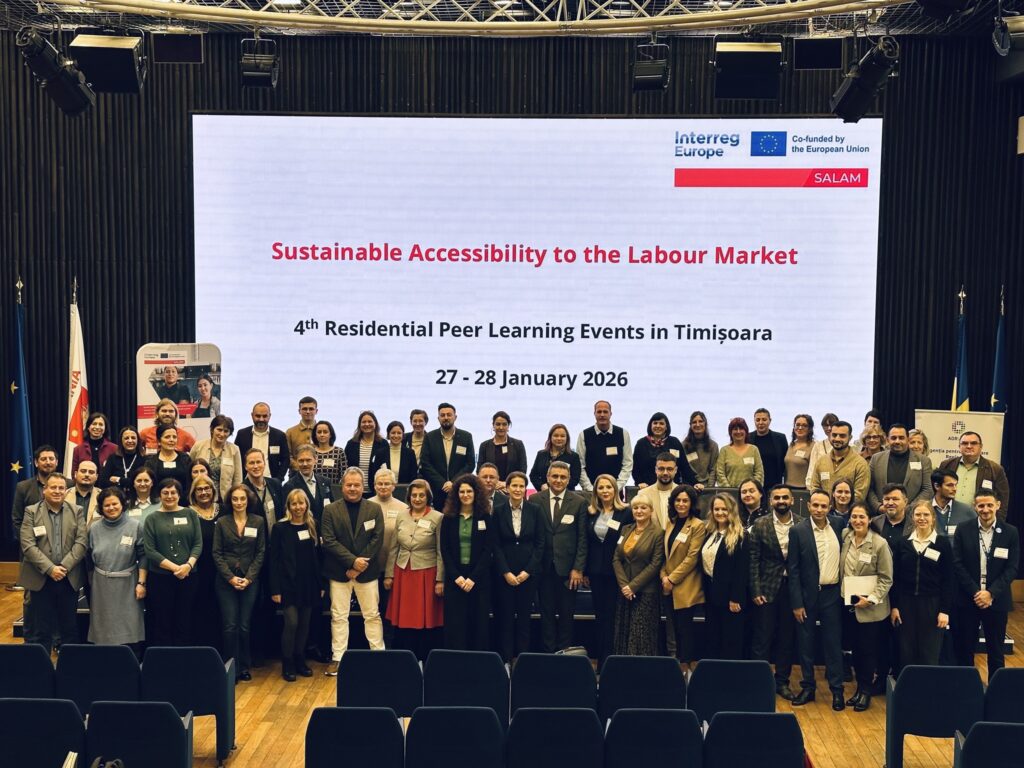
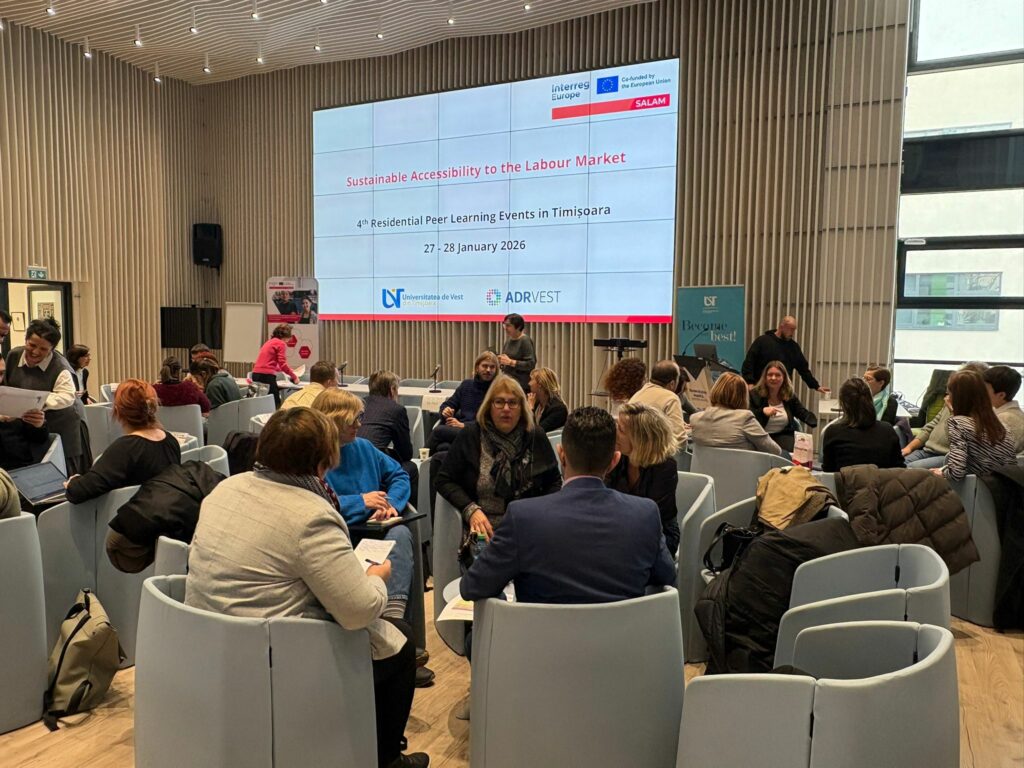
On 27–28 January 2026, EARLALL took part in the 4th Residential Peer Learning Event of the SALAM – Sustainable Access to the Labour Market (Interreg Europe) project, hosted in Timișoara, Romania.
The two-day meeting brought together project partners, public authorities, universities, institutions responsible for migration management, employment and labour law enforcement, as well as NGOs and migrant beneficiaries.
EARLALL members participating in the event included Centre-Val de Loire, Västra Götaland, Tuscany, Catalonia and Baden-Württemberg, together with associated member Borås Stad.
The event provided a valuable platform for policy learning, peer exchange and dialogue on how to strengthen sustainable solutions for the integration of migrants into local labour markets.
Opening and strategic perspectives
The transnational meeting opened at the Timiș County Council and was moderated by Mr Marius Niculae (West Regional Development Agency – West RDA), who underlined the global relevance of migration and the impact of demographic change on labour markets, stressing the responsibility of public institutions to actively engage across governance levels.
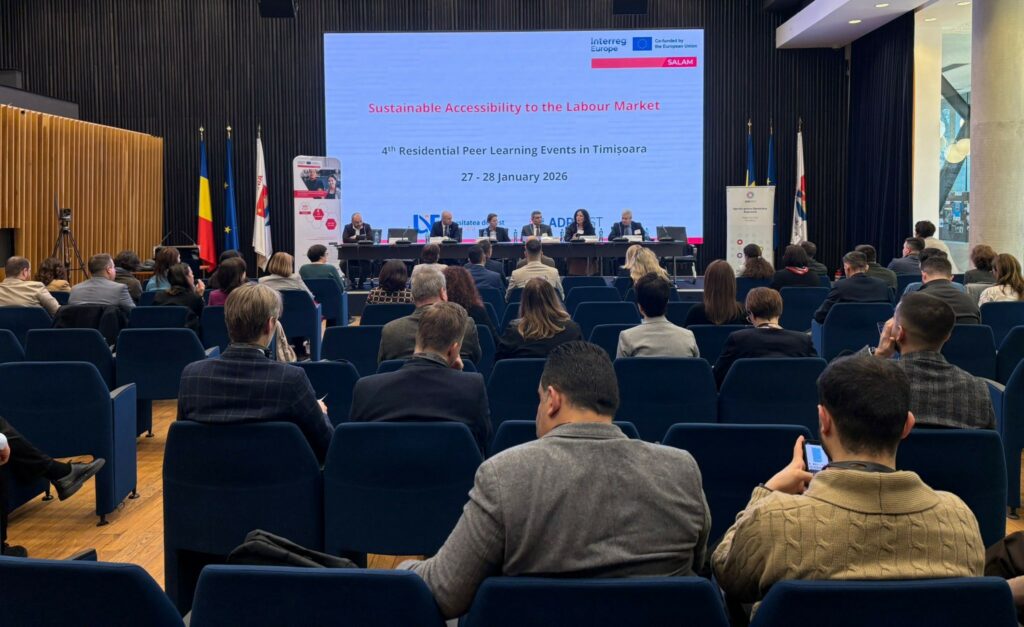
Mr Adrian Mariciuc, Deputy Director General of West RDA, highlighted migration as both a challenge and a development opportunity, emphasising the role of regional authorities in connecting stakeholders and creating dialogue to translate migration into socio-economic value. Ms Liliana Oneț, Deputy Prefect of Timiș County, stressed that SALAM meetings strengthen regional efforts towards sustainable migrant integration, contributing to social cohesion and community development. From a national perspective, Mr Tiberiu Giurea, Inspector General of the General Inspectorate for Immigration, highlighted the importance of migrants’ access to the labour market in addressing labour shortages and referred to Romania’s ongoing work on the European Migration and Asylum Pact.
The role of universities, regions and European initiatives
Mr Mădălin Bunoiu, Vice-Rector for Research at the West University of Timișoara, underlined the role of universities as spaces for learning, inclusion and future-building, noting population decline, skills shortages and the need for closer cooperation between universities, public authorities and NGOs.
Prof. Francesca Torlone (University of Florence), SALAM Project Coordinator, emphasised that SALAM enables regions and municipalities to improve skills frameworks and migrant inclusion through cross-regional exchange and concrete, place-based action.
Regional and European perspectives were further enriched by Mr Paul Opriș-Sîrca (West RDA), who presented actions aligned with the Talent Booster Mechanism (European Commission), and by Mrs Bianca Tătaru, who highlighted synergies between SALAM and the FutureECOS Interreg project in improving living conditions and labour market inclusion for migrants and NEETs.
Evidence, practice and voices from the ground
Research insights were presented by Mr Anatolie Cosciug (ICAM, West University of Timișoara), showing Romania’s growing role as a migrant destination and increasing mobility trends, alongside data on migrant demographics and labour market dynamics. Together with Mr Marius Matichescu, findings highlighted generally positive local perceptions of migrant integration in Timișoara.
An interactive dialogue showcased good practices in migrant socio-cultural integration, with contributions from LOGS – Social Initiative Group, the Ecumenical Association of Churches in Romania, and the Department of Social Assistance of Timișoara Municipality, complemented by voices of migrants sharing first-hand experiences of integration and access to employment.
Study visits, governance and next steps
The first day concluded with transnational study visits to LOGS – Social Initiative Group, a SALAM Romanian Good Practice, and the Emergency Transit Centre for Migrants in Timișoara, established by the Government of Romania, UNHCR and IOM. The Centre is currently the only fully operational facility of its kind worldwide, providing temporary accommodation for refugees in urgent need of relocation.
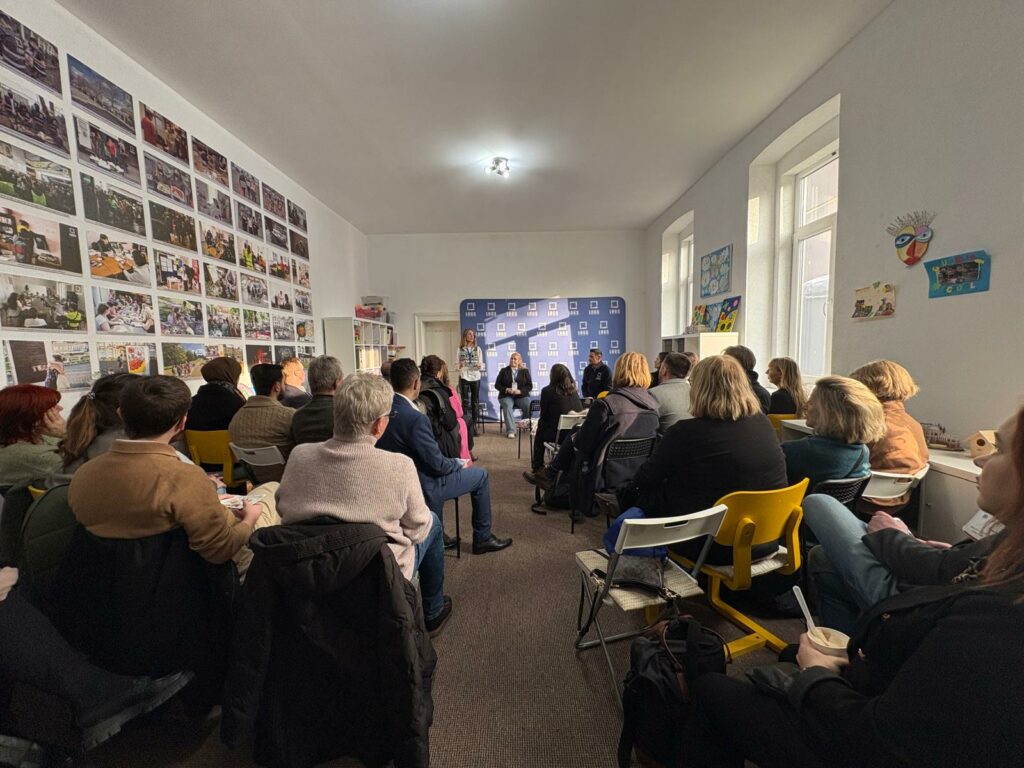
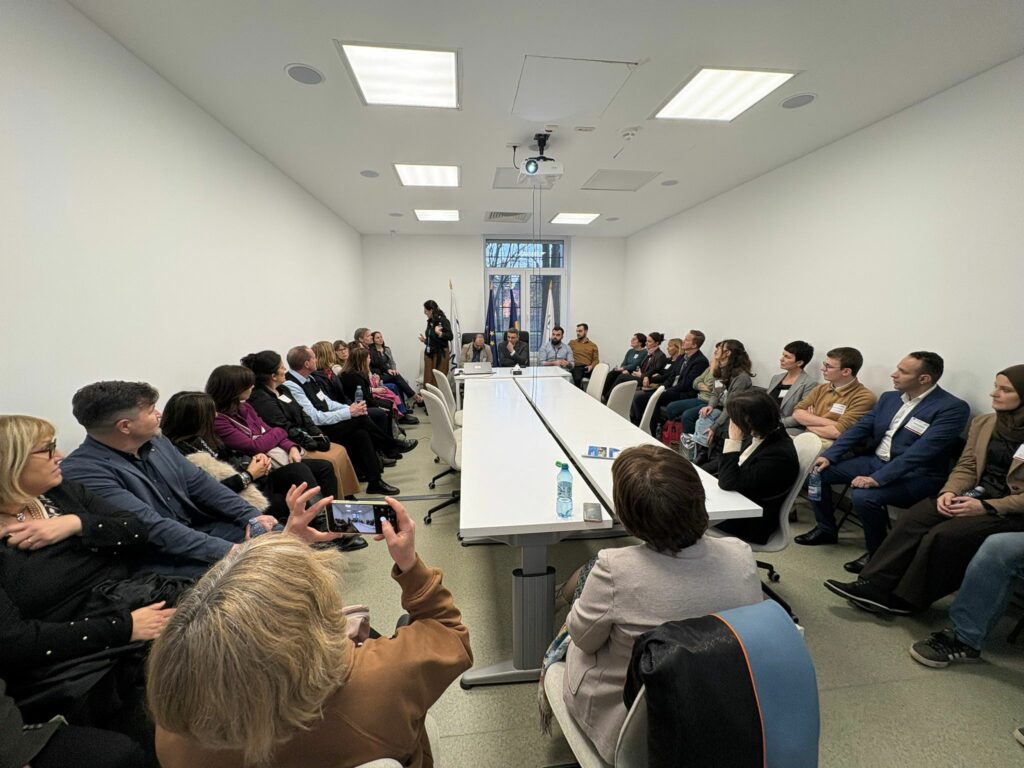
The second day focused on bilateral exchanges on SALAM policy instruments and the 4th Steering Committee Meeting, addressing pilot actions, project progress and upcoming milestones, including the mid-term review in February 2026.
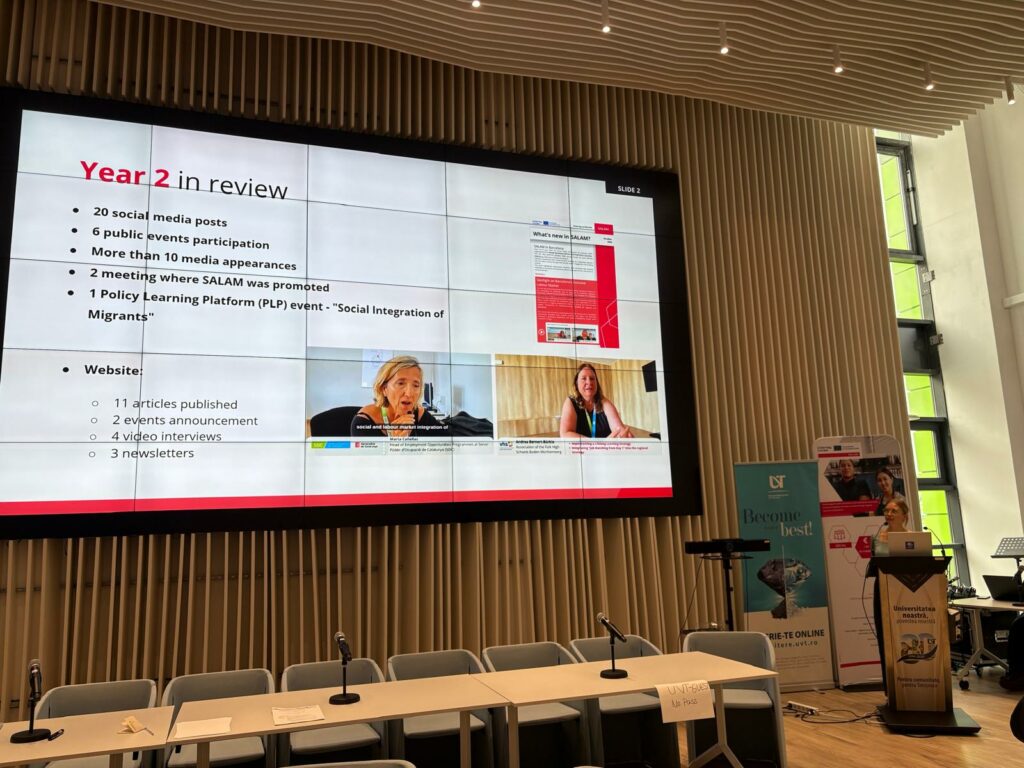
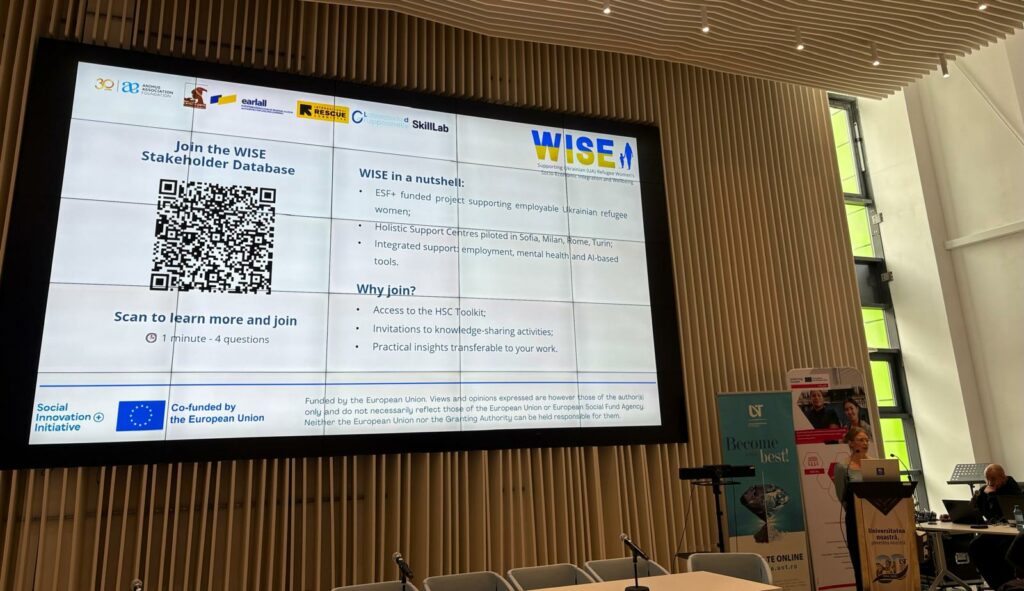
During the meeting, EARLALL presented communication updates, invited partners to join the WISE Stakeholder Database, and highlighted synergies between SALAM and WISE project in promoting inclusive labour market integration.
The event concluded with a look ahead to the next SALAM Mutual Learning Event in Sweden in June 2026.