
EARLALL at the 2nd Interregional Educational Seminar and study visit in Montenegro
14/10/2026
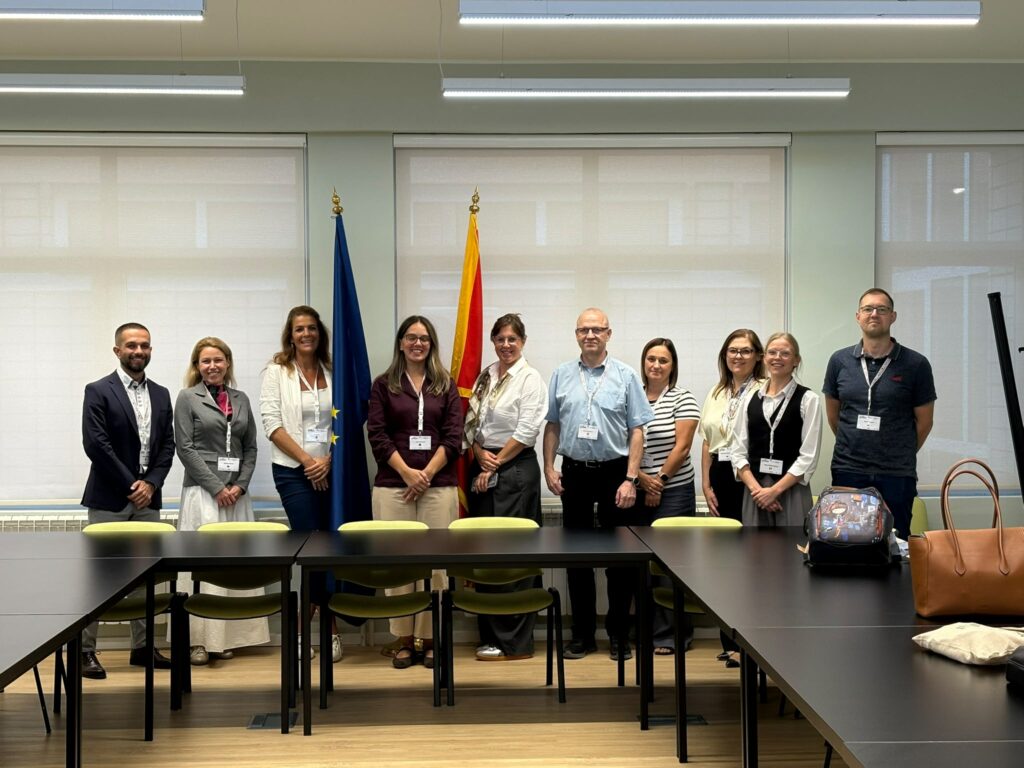
EARLALL joined project partners and stakeholders in Budva and Kotor on 6-8 October 2026 for three days of exchange hosted by the Centre for Vocational Education of Montenegro.
The programme focused on inclusion, diversity and excellence in education, combining regional practice presentations, institutional visits and workshops. Participants explored how schools can respond to different learning needs and what support teachers require to make inclusion part of everyday teaching.
Understanding Montenegro’s education reforms
Magdalena Jovanović, Senior Adviser for Public Relations at the Centre for Vocational Education, moderated the opening seminar. Aleksandra Lalević, Director of the Centre, welcomed participants and emphasised equal access to education, support for diverse learners and the development of teachers’ skills.
Jelena Bojović, Head of the Department for International Cooperation and Projects, introduced Montenegro’s education system and reform priorities. Her presentation outlined the Education Reform Strategy 2025–2035 and Curriculum Reform 2026–2027, which prioritise competence-based learning, practical skills and flexible educational pathways. In vocational education and training, priorities include closer cooperation with employers, work-based learning and recognition of prior learning.
Vjera Mitrović-Radošević, Advisor on Quality of Inclusive Education, presented support for learners with disabilities, Roma and Egyptian communities, children in rural areas and migrant children facing language barriers. More than 800 people have obtained the teaching assistant qualification, according to the presentation. Roma and Egyptian Social Inclusion Assistants also help families overcome communication, transport and other barriers to participation.
Vladislav Koprivica, Head of the Department for Quality, Research and Continuing Professional Development of Teachers, explained how self-evaluation and external evaluation support school improvement. Inclusive education standards examine adapted teaching, accessible facilities, supportive learning environments and individual education and transition plans.
Regional approaches to inclusion
The regional exchange showed how individual support can be organised through schools, communities and regional authorities.
Małgorzata Jachyra-Mazepa, Director of the John Paul II School and Education Complex in Lubaczów, Poland, presented “Youth Educational Centre – a chance for change”. The approach combines individual assessment, vocational education and community participation for boys placed in the centre by court order. Preparation for independent living includes managing a budget, accessing services and preparing for employment. Reported results included fewer critical incidents and improved vocational examination outcomes.
The Slovenian example explored cooperation between a municipality and an education institution to employ an intercultural mediator supporting children from Albanian migrant backgrounds.
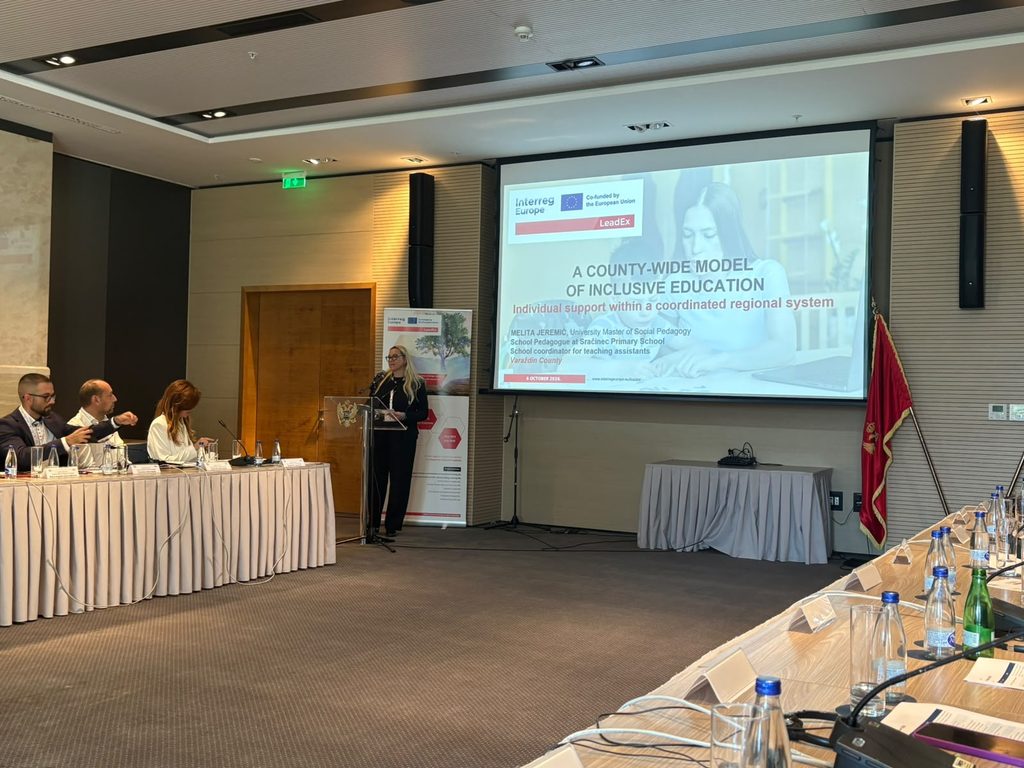
Melita Jeremić, School Pedagogue and Coordinator for Teaching Assistants at Sračinec Primary School, presented Varaždin County’s (EARLALL member) inclusive education model in Croatia. Originating in an EU-funded initiative in 2014/15, the current project supports 146 students through 145 assistants and intermediaries across 34 schools. Assistance covers academic, social, emotional, physical and organisational needs, supported by a 250-hour training programme and cooperation with parents.
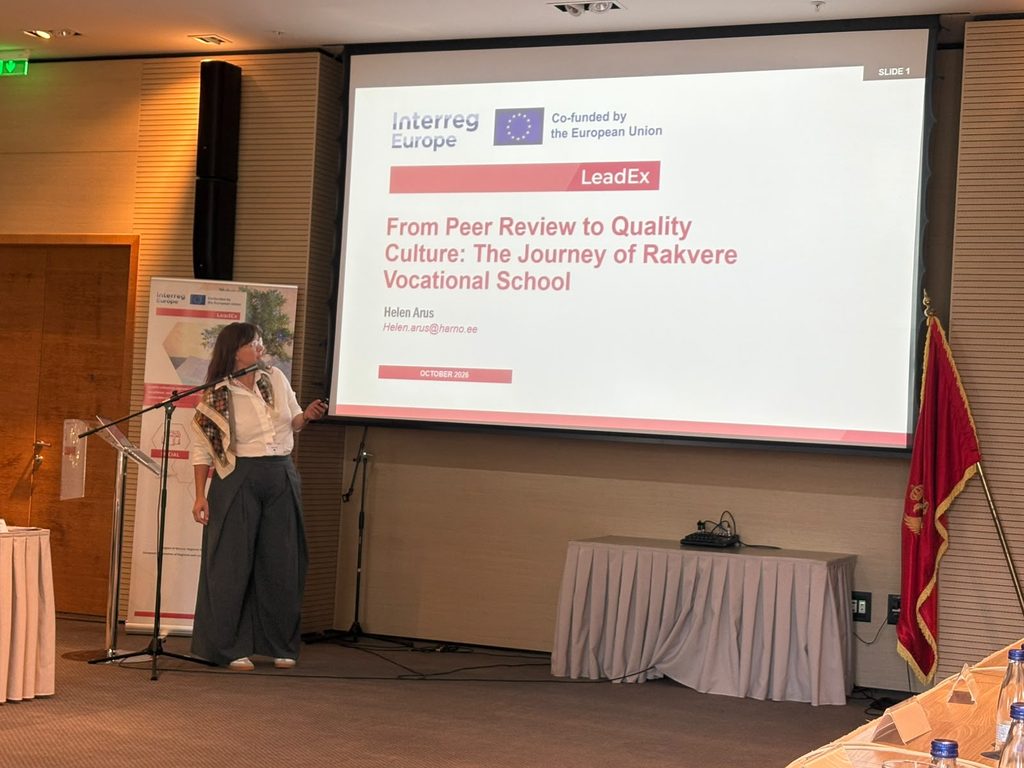
Helen Arus, representing the Estonian Quality Agency for Education, HAKA, introduced Rakvere Vocational School and its experience of peer review through the Erasmus+ CHOICES project. A review of student counselling identified dedicated staff and a learner-centred culture as strengths, while recommending clearer responsibilities, better communication and more visible support services.
From Denmark, Lisbeth Hvid Christensen, Headmaster, and Anette Degn Larsen, Head of Learning and Development, presented an approach based on dialogue, structured cooperation and multilingual learning in vocational education. They also discussed challenges, including disruption caused by staff changes and difficulties sustaining skills under assessment pressure.
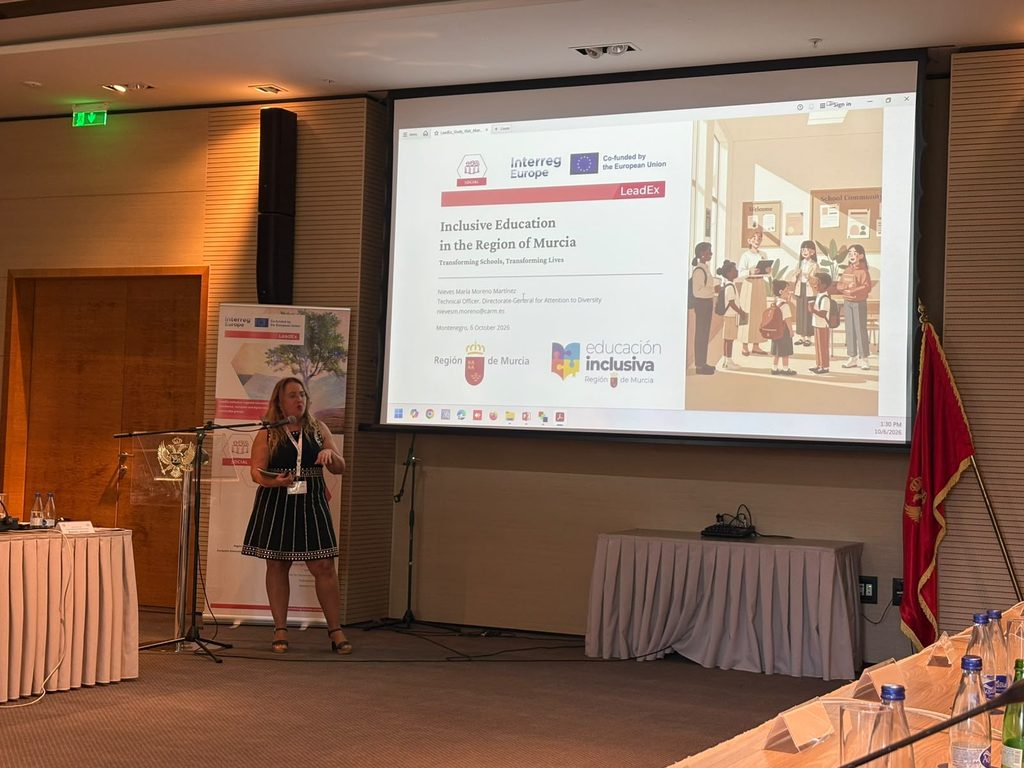
Nieves Maria Moreno Martinez, Technical Officer at Murcia’s Directorate-General for Attention to Diversity, presented the INCLU-YOU programme and Resource Centres for Inclusive Education. These connect the identification of barriers with specialist advice, mentoring and practical classroom support.
Marija Đurišić, a member of the DTRD-ECA project management team at the University of Montenegro, introduced work to record and recognise extracurricular activities as part of students’ academic experience, including links with study programmes and ECTS credits.
Visiting schools in Budva and Kotor
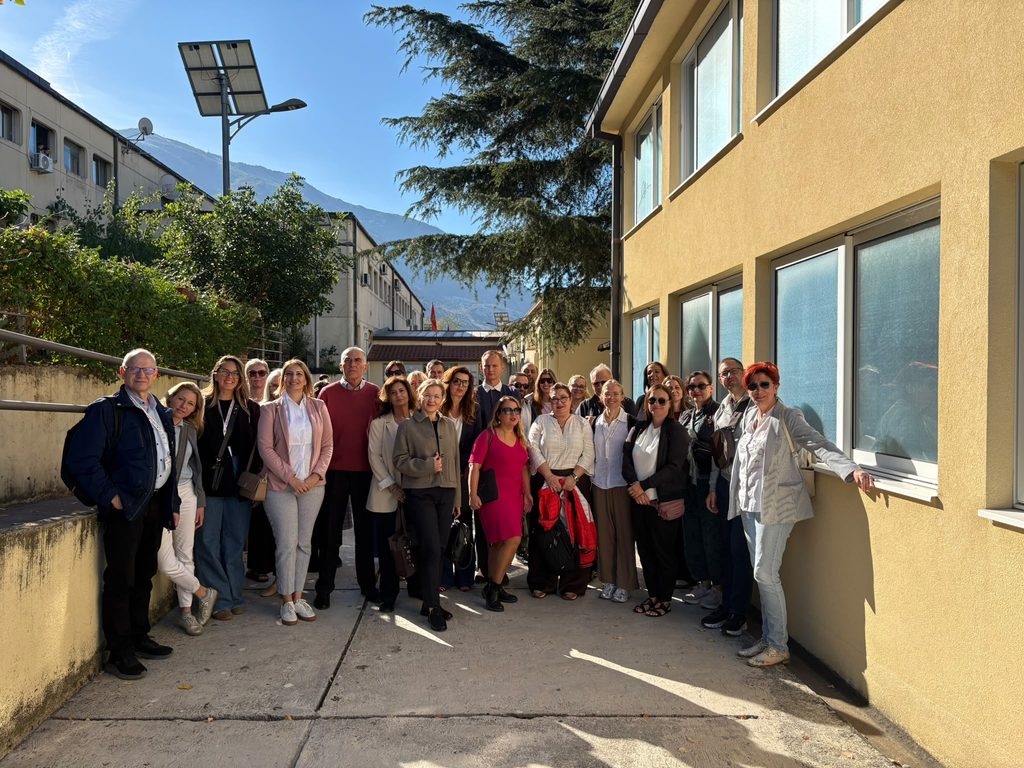
At Danilo Kiš Secondary School in Budva, participants were welcomed by Mr Vuković, the school’s Principal. The school serves 1,058 students and offers 11 vocational programmes alongside general secondary education. The visit included specialised equipment used in tourism programmes and discussion of teachers’ professional development and cooperation with schools in neighbouring countries.
The second day took participants to the Maritime High School in Kotor, where the school leadership and quality manager introduced nautical studies, maritime engineering and logistics. Discussions covered professional certification, career progression and simulation-based training, including the resources needed to maintain relevant training facilities.
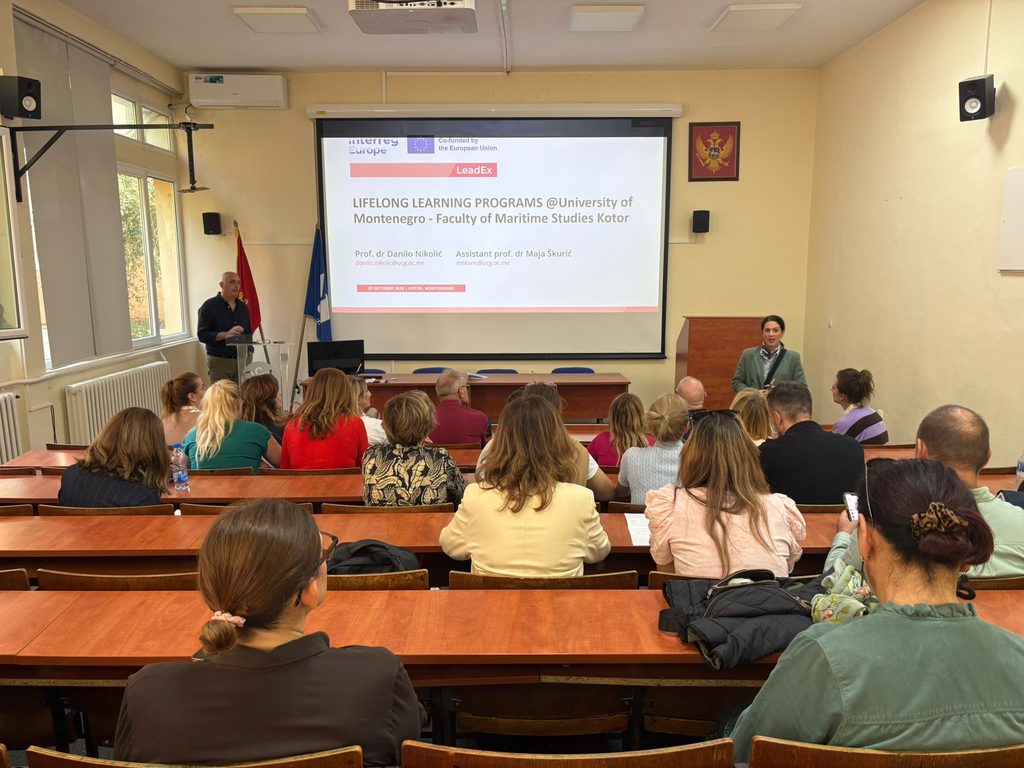
At the Maritime Faculty of the University of Montenegro, Professor Danilo Nikolić and Assistant Professor Maja Škurić presented lifelong learning programmes responding to developments in the maritime sector. Examples addressed energy-efficient ship operations, alternative fuels and propulsion, and the yachting and cruise industry. The visit also explored cooperation with ship operators and European initiatives in maritime environmental education.
Digital learning and professional development
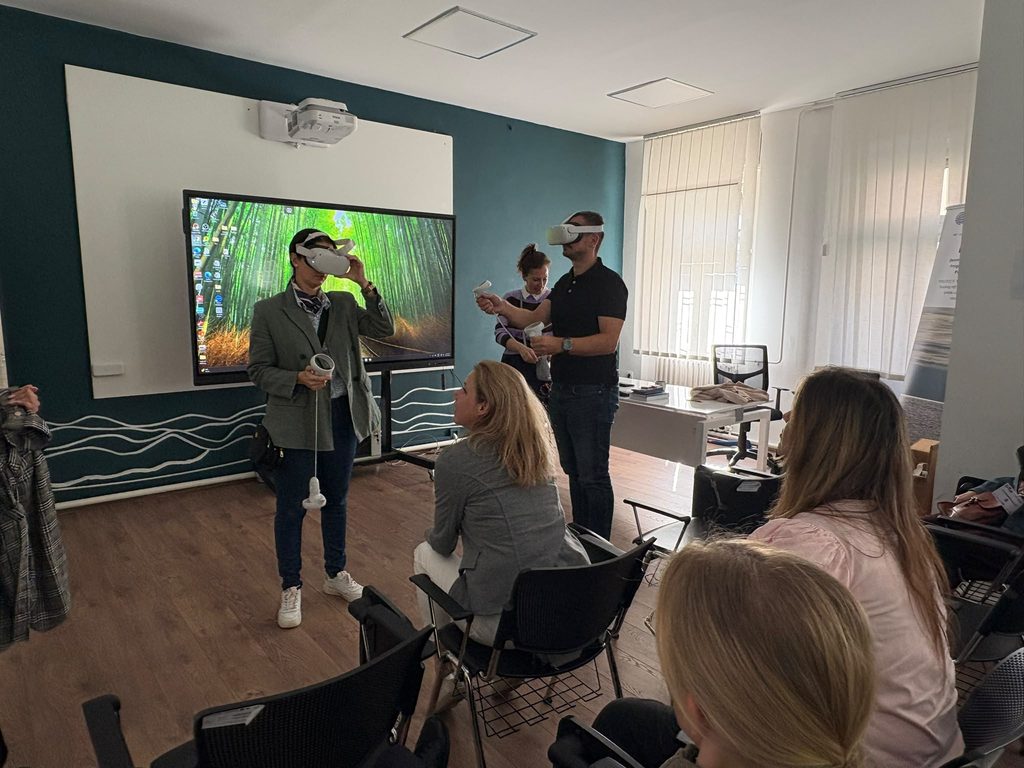
On the final day, Mileva Lučić, a teacher at the Vaso Aligrudić Secondary Electrical Engineering School in Podgorica, presented digital services and classroom tools supporting teaching and learning. Examples included accessible content, feedback tools and translation for learners facing language barriers. She also addressed the importance of checking AI-generated materials and protecting students’ personal data.
Professor Tatjana Novović, Full Professor at the University of Montenegro’s Faculty of Philosophy, presented inclusive education and teacher development initiatives, including FOSFIM and CRED4TEACH. CRED4TEACH is developing short online programmes and micro-credentials for teachers in Albania, Montenegro and Ukraine, alongside frameworks for their recognition.
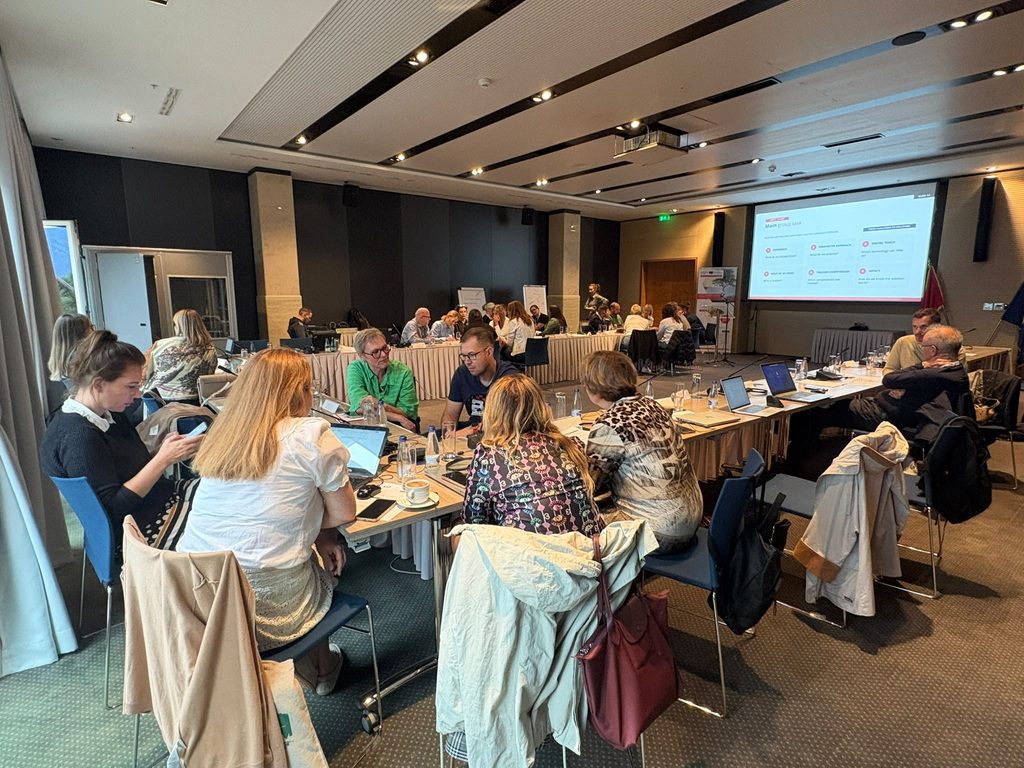
Workshops explored practical responses to different learning paces, language barriers, additional support needs and unequal digital access. Participants highlighted the need for planning time, leadership support and specialist advice. One proposal was to establish school-based digital labs where teachers could test learning activities with guidance from digital mentors.
EARLALL connects the exchange with European tools
EARLALL introduced SELFIE and SCAFFOLD as European tools relevant to schools and educators. Participants discussed their visibility, connections with national approaches and how their use and impact are evaluated. The Estonian partner’s reference to Digital Mirror prompted reflection on how regions can make better use of existing resources.
Across the discussions, a consistent message emerged: effective inclusion requires coordinated support for learners and teachers, while digital tools should respond to a clear educational need.
Continuing the regional exchange
The visit provided partners with approaches to examine with their regional stakeholders, taking account of local needs, resources and evidence of results.
During the third Steering Committee meeting, chaired by the Region of Murcia, LeadEx’s lead partner, partners approved the next semester’s focus on innovation in education and digitalisation. The next LeadEx seminar and study visit will take place in Denmark on 20-22 April 2027.