

Creative Skills Week 2026
11/09/2026
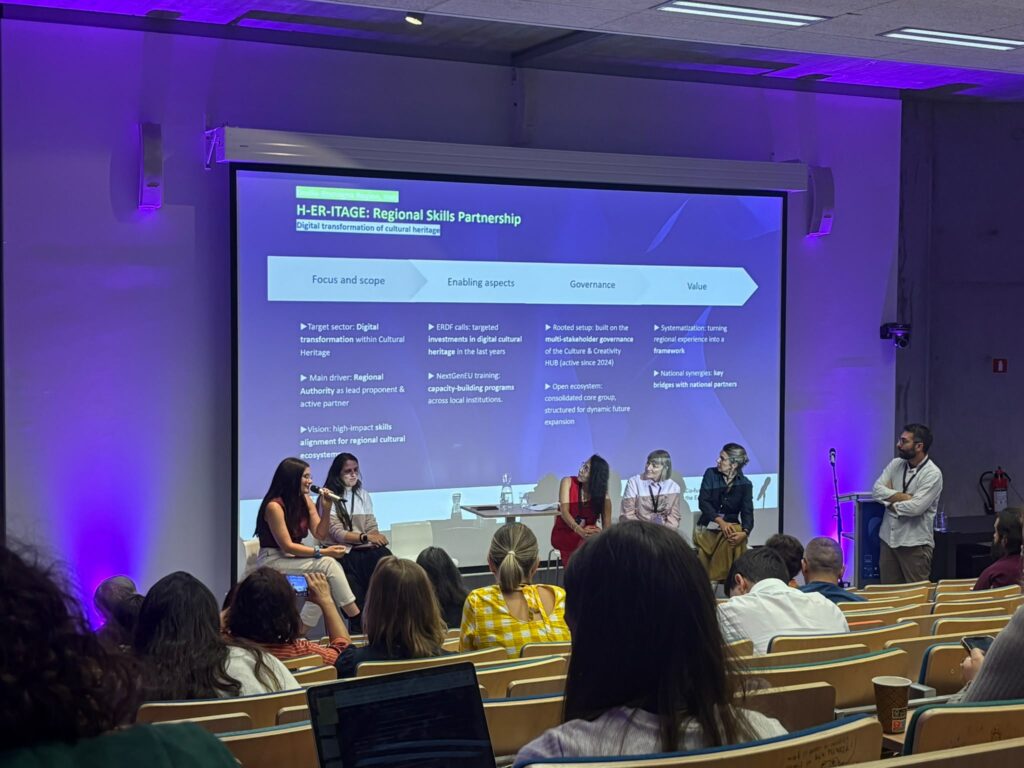
On 8-9 September 2026, EARLALL joined Creative Skills Week 2026 in Brussels, bringing together representatives of Europe’s cultural and creative sectors, policymakers, education and training actors, industry and regional ecosystems to explore how creative skills can contribute to wider societal challenges.
Co-organised by EIT Culture & Creativity, CYANOTYPES and Creative Futures Academy, in collaboration with the Creative Pact for Skills, CREDEX and GreenCCIrcle, this year’s programme addressed questions ranging from regional skills partnerships and new approaches to learning to rural development and measuring the wider public value of culture and creativity.
From European skills agendas to regional implementation
For EARLALL, a particularly relevant discussion focused on how local and regional ecosystems can translate European skills agendas into concrete partnerships and implementation models.
The session brought together perspectives from the European Commission, ERRIN and several European regions and regional skills partnerships, including the member of EARLALL – Basque Country, Stuttgart Region, Region Skåne, southern Italy and Amsterdam.
One of the challenges highlighted was that not every region has a regional skills strategy, while effective policymaking also depends on gathering evidence from education and training providers and connecting it with regional priorities.
Examples presented during the discussion demonstrated different ways of building these ecosystems. In Region Skåne, cooperation brings together universities, competence centres, cultural and creative industry clusters, popular education institutions, cultural organisations and municipalities. Priorities include knowledge exchange between academia and industry, innovative business models, digital and green skills, and diversity. Future ambitions include combining academic micro-credentials with industry-relevant learning and strengthening European cooperation between regional skills partnerships.
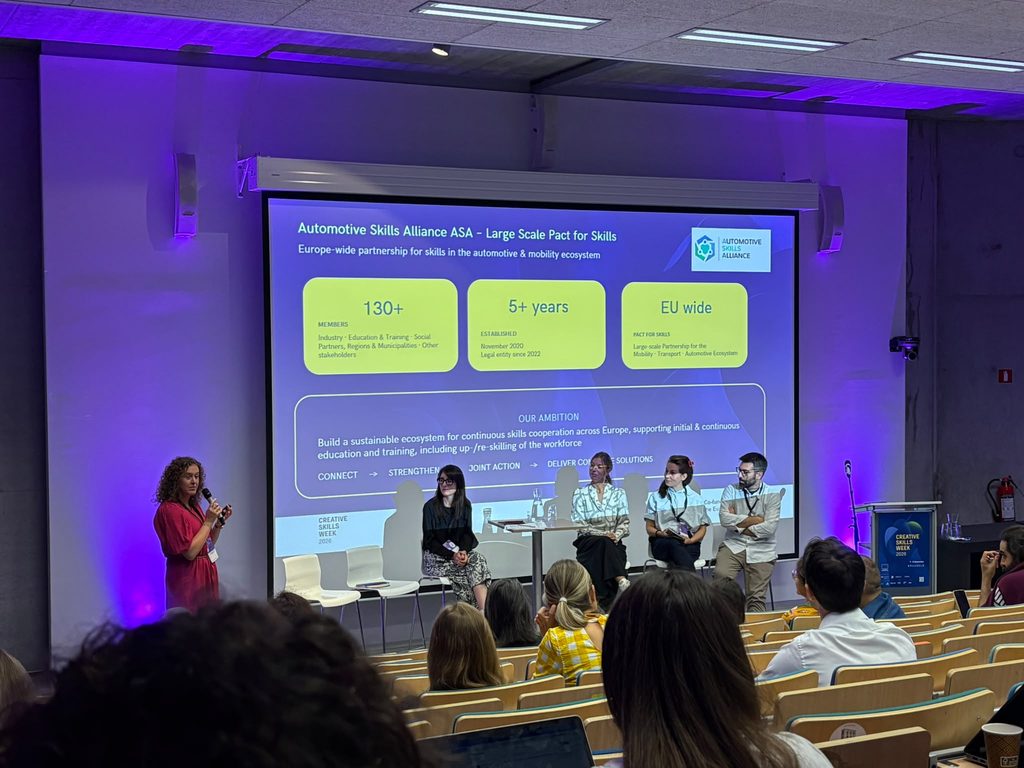
Other examples illustrated bottom-up cooperation between VET providers and non-formal learning organisations, regional responses to the digital transformation of cultural heritage, and partnerships connecting technological change with education, training, diversity and territorial attractiveness.
These discussions strongly reflect EARLALL’s approach to lifelong learning as an ecosystem, where regional authorities can connect education and training with employers, communities and other territorial actors while adapting European priorities to local realities.
Learning through experimentation
Creative Skills Week also provided space to rethink how skills are developed and how organisations learn.
Drawing on four years of experimentation, a CYANOTYPES workshop explored lessons emerging from project pilots across Europe. Rather than focusing only on successful outcomes, participants examined organisational blind spots, mistakes and changing perspectives, considering how creative competences can be translated into meaningful organisational change.
Another session looked at regenerative rural futures through culture and creativity, exploring how cultural tourism and cross-sector cooperation can connect culture, local economies and territories. The discussion emphasised place-based approaches rooted in local identity, entrepreneurship and collaboration between different sectors.
Looking beyond economic indicators
The final day turned to another fundamental question: how should Europe measure the value created by culture and creativity?
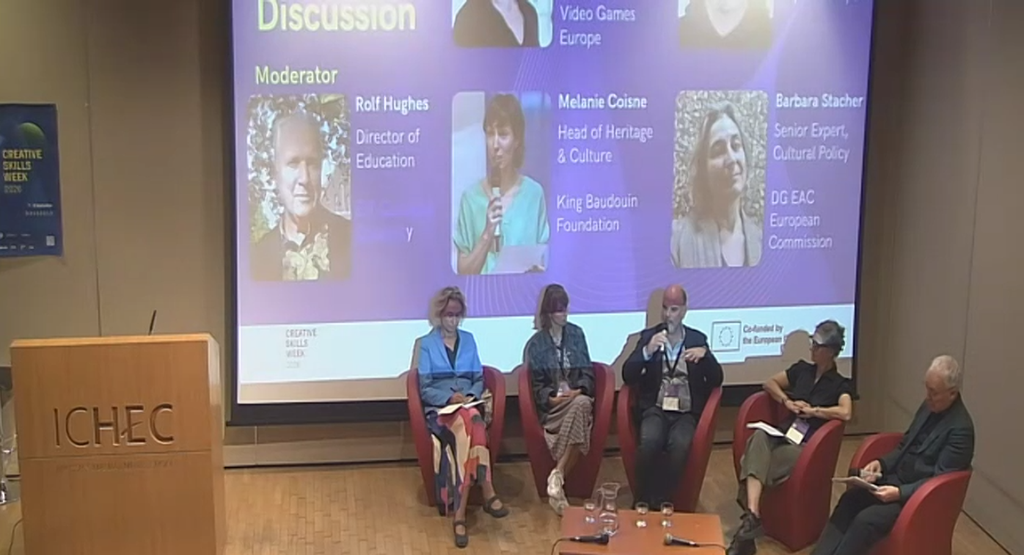
The discussion highlighted the limitations of relying solely on traditional economic indicators. Culture and creativity can also contribute to innovation, social cohesion, democratic participation, wellbeing and resilience – dimensions that require broader approaches to evidence and impact assessment.
For EARLALL, the discussions across Creative Skills Week reinforced the importance of connecting skills development, creativity and regional ecosystems. Regions are well placed to bring together education and training providers, businesses, cultural organisations, communities and policymakers, creating partnerships that turn European ambitions into learning opportunities and tangible impact at territorial level.