
Celebrating 25 Years of Learning Together: EARLALL Looks to the Future of Lifelong Learning in Europe
15/06/2026
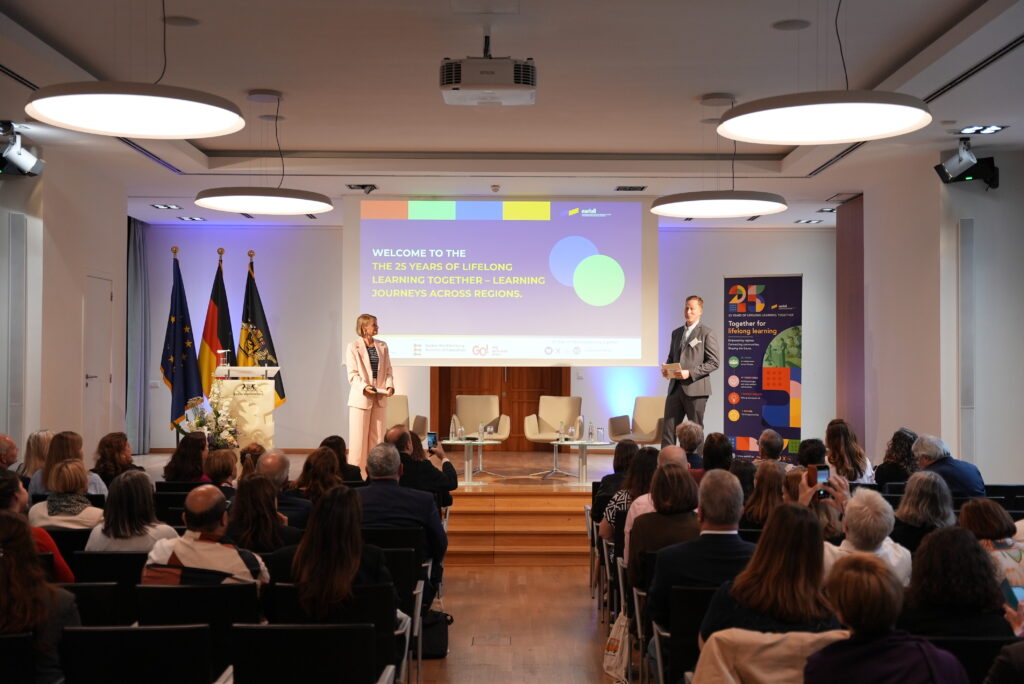
Brussels, 15 June 2026 – On 11 June 2026, more than 100 representatives from European regions, institutions, education providers, practitioners and partner organisations gathered in Brussels to celebrate the 25th anniversary of the European Association of Regional and Local Authorities for Lifelong Learning (EARLALL). Hosted at the Representation of the State of Baden-Württemberg to the European Union, the event honoured a quarter century of regional cooperation while opening a forward-looking dialogue on the future of lifelong learning in Europe.
EARLALL has brought together regional and local authorities committed to strengthening education and training policies, supporting skills development, and ensuring learning opportunities for people of all ages. The anniversary celebration provided an opportunity not only to reflect on shared achievements but also to reaffirm the role of regions in addressing some of Europe’s most pressing challenges.
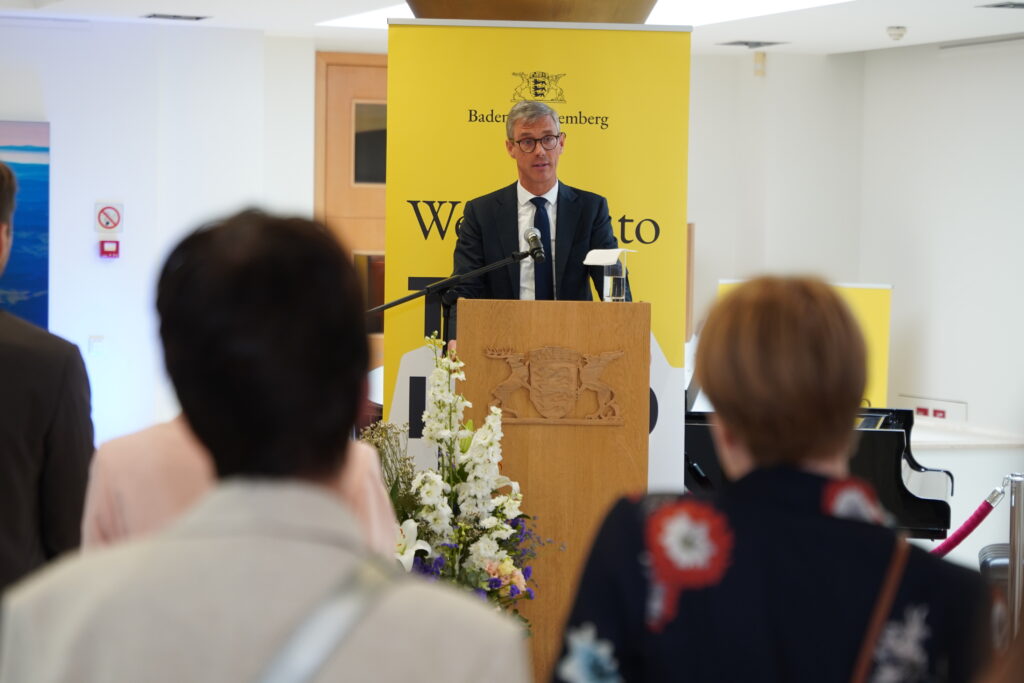
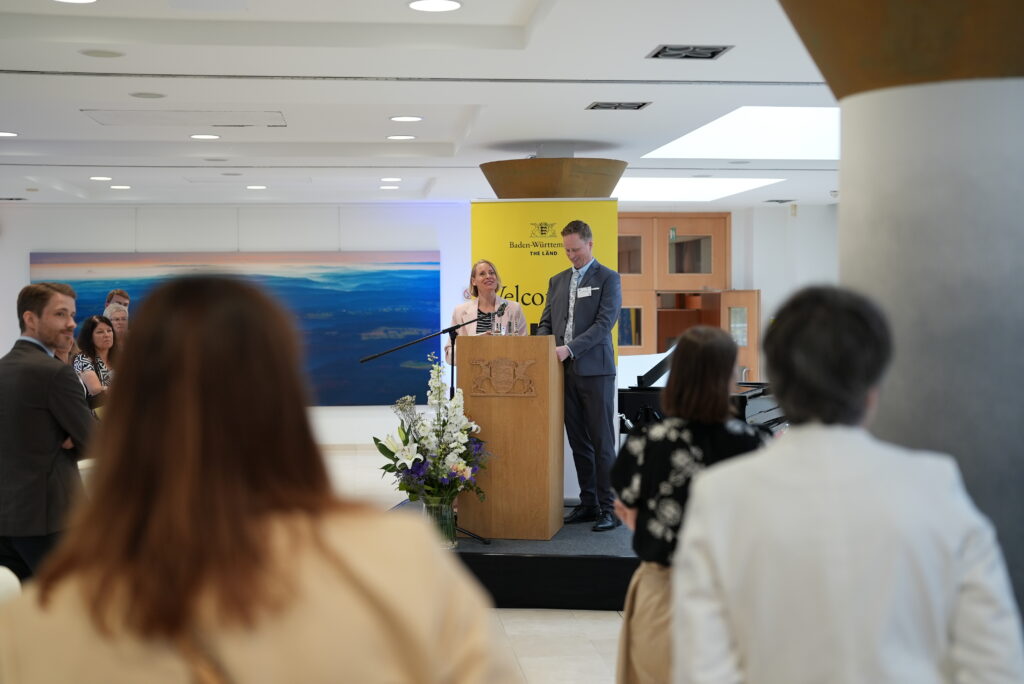
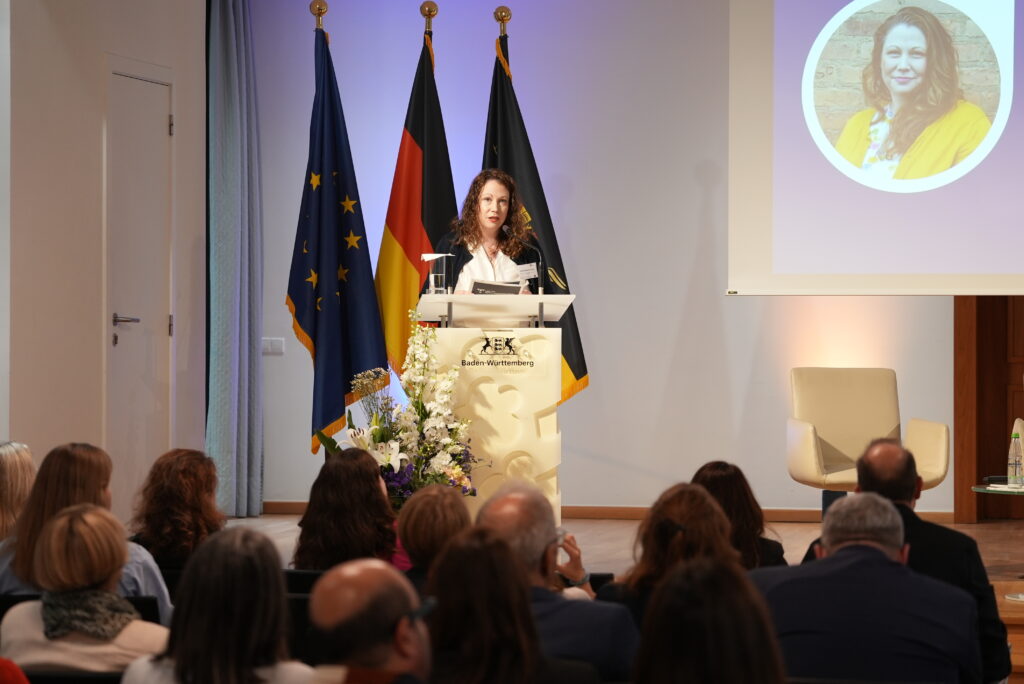
Opening the celebration, Mr Bodo Lehmann, Head of the Baden-Württemberg State Representation in Brussels, highlighted the growing importance of lifelong learning in a rapidly changing world. “Investments in continuing education are investments in Europe’s future viability. Those who want to shape this change must create opportunities for people all across Europe to develop and acquire new skills continuously.” Lehmann also acknowledged EARLALL’s contribution over the past 25 years, emphasising how the network has influencedEuropean education policy, promoted successful initiatives across regions and demonstrated the essential role of regional authorities in building resilient learning ecosystems.
The afternoon’s “Lifelong Learning through the regions” exhibition showcased this diversity of regional action. The stands showcased innovative initiatives and European cooperation projects from across the network. The Baden-Württemberg Ministry of Education presented its work on lifelong guidance through initiatives such as the European project Lifelong Guidance 5.0 – Upscaling Guidance Services in Europe, alongside the Baden-Württemberg State Network for Continuing Education Counselling and the up PAMINA vhs. The Basque Country shared experiences from its Department of Education and Vocational Training together with LCAMP, while the Tuscany Region highlighted the QUEEN and SALAM projects. Catalonia showcased regional initiatives connecting education, vocational training and employment services. Centre-Val de Loire presented innovative approaches to career discovery for students and young job seekers, featuring two interactive tools: Découvre N’Go, an educational game that allows participants to explore professions through challenges, discussions and real-life situations, and O’dyssée, an immersive online experience introducing young people to the world of work through missions and encounters with professionals while developing key transferable skills such as communication, organisation and teamwork. Other stands focused the work of GO! and Crescendo CVO Mechelen, Horizon Europe projects SkillsPulse and TRAILS, and EARLALL’s own 25-year journey promoting regional cooperation in lifelong learning.
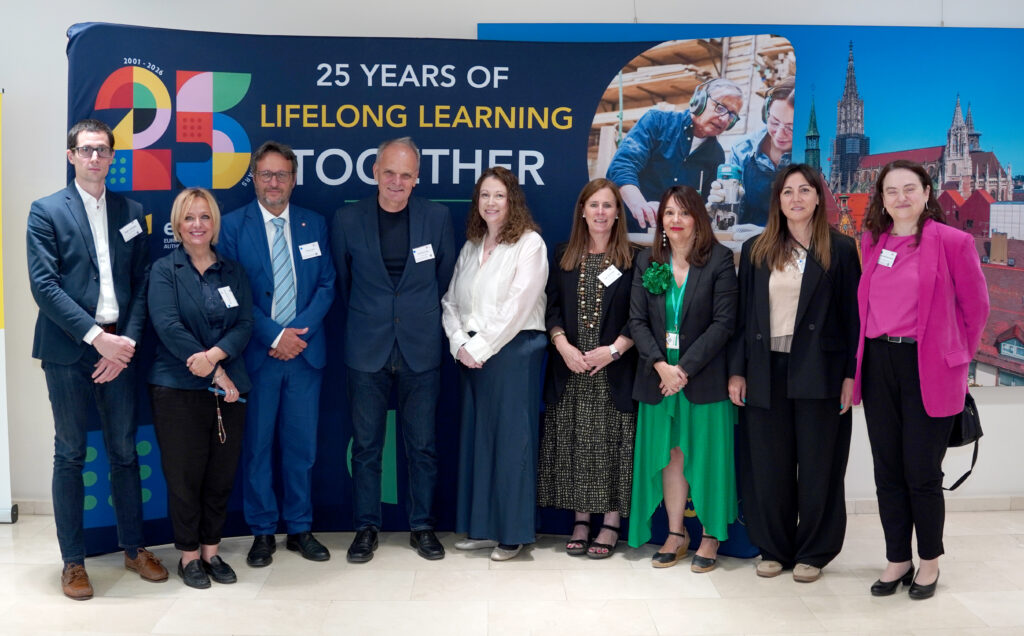
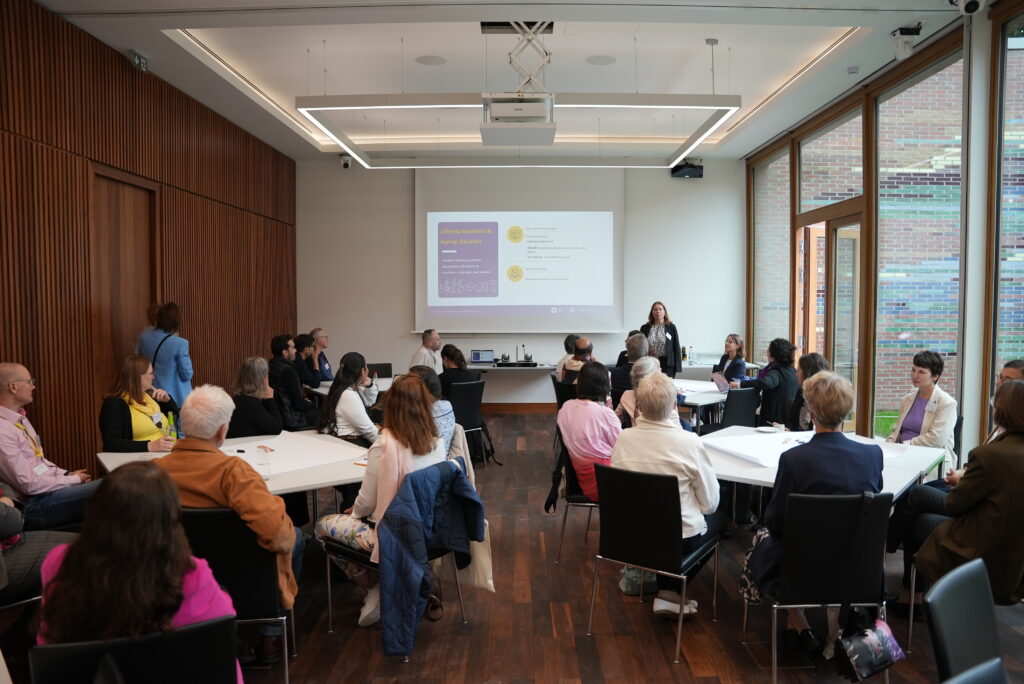
The afternoon working groups offered participants the opportunity to exchange experiences and identify regional responses to common European challenges.
- The session on Lifelong Guidance and Ageing Societies, chaired by Andrea Bernert-Büerkle (Baden-Württemberg), explored inclusive lifelong guidance approaches supporting migrants, adults and vulnerable groups, highlighting the importance of accessible and personalised support throughout life transitions.
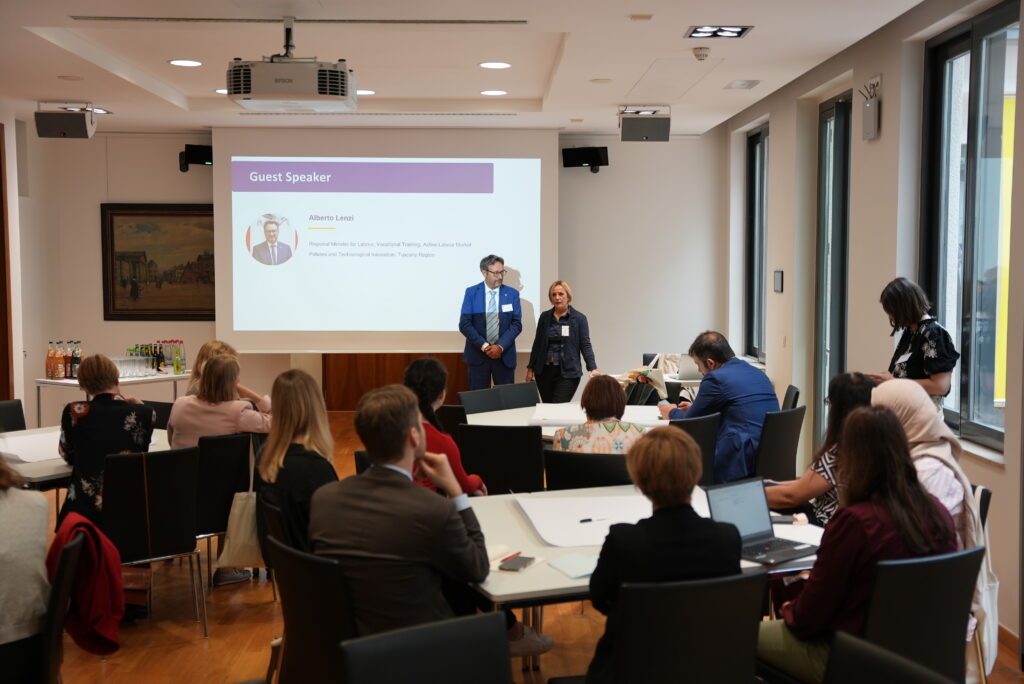
- In the Youth Policies working group, chaired by Miriana Bucalossi (Tuscany Region), and with an introduction by Alberto Lenzi (Regional Minister for Employment, Vocational Education and Training, Technological Innovation, Administrative Simplification, Digital Infrastructures, Public Procurement and Contracts – Tuscany Region), participants discussed operational pathways for intergenerational fairness, examining how policies can better address the needs and aspirations of different generations.
- The Mobility session, co-chaired by Nicholas Waller (City of Borås) and Julia Burkhard (Movetia), focused on approachesto promote inclusive mobility across Europe, emphasising the importance of ensuring that international learning opportunities are accessible to diverse groups of learners.
- Finally, the Skills and Labour Market working group, chaired by Miriam Castillo and Òscar Martorell Aleman from Catalonia’s Regional Ministry of Education and Vocational Training, examined how micro-credentials can help bridge the gap between labour market demands and skills systems, supporting more flexible and responsive learning pathways.
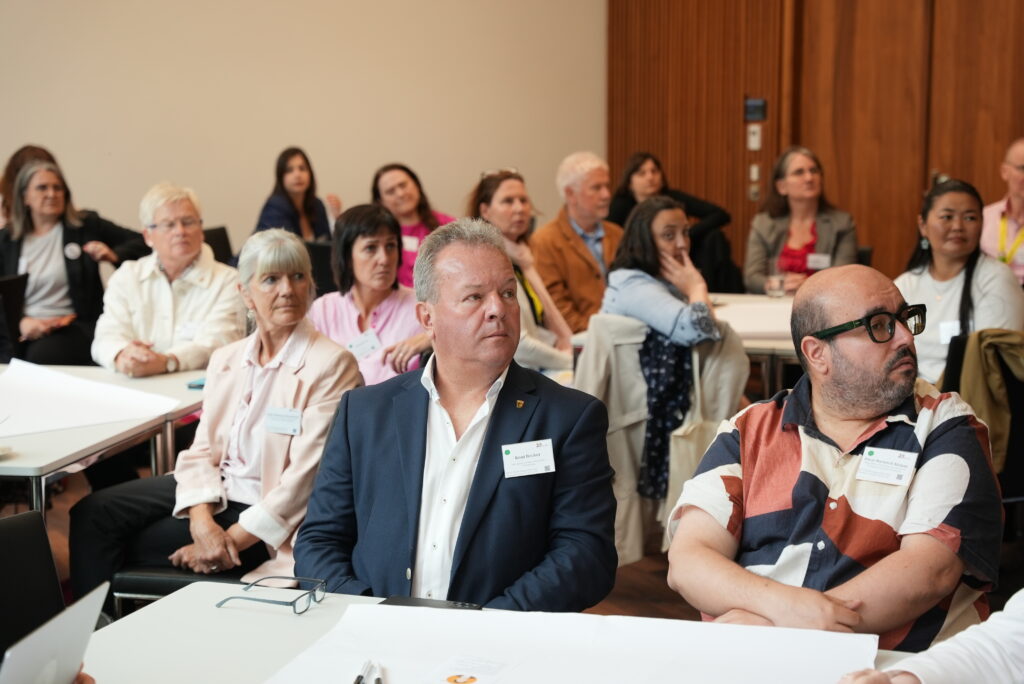
The day’s discussions were guided by Astrid Burhoi ( Region Västra Götaland) and Nicholas Waller (City of Borås and co-chair of EARLALL’s Working Group on Mobility).
Following the afternoon forum, participants reconvened for the evening programme, “Learning Journeys Across Regions.” The celebration began with registration and a welcome drink, accompanied by a music performance offered by GO! Muziekacademie Etterbeek. The performance provided a fitting opening to the anniversary celebrations, showcasing the role of arts education in nurturing talent, fostering participation and strengthening communities across generations.
In her institutional welcome, Madeleine Jonsson, President of EARLALL and Chair of the Environment and Regional Development Committee of Region Västra Götaland (Sweden), underlined the central role of regions in Europe’s future. “Europe’s future is shaped where people live their lives – in regions and local communities. Our future competitiveness depends on skills, and regions are the ones building the European Union every day.”
A video message from Ylva Johansson, Chair of the European Skills High-Level Board, recognised the unique contribution of regional and local authorities in translating skills policies into practical action. “You are closest to education and training providers, to businesses and, most importantly, to citizens. That puts you in a privileged position to design and deliver skills strategies that work in practice.”
Providing the European Commission’s perspective, Ann Branch, Head of Unit for the Union of Skills at the Directorate-General for Employment, Social Affairs and Inclusion, stressed that Europe is already undergoing profound transformations driven by digitalisation, demographic change and evolving labour markets. “The future of work is not only about technology,” she noted. “It is about people having confidence, opportunities and the ability to continue learning throughout their lives.” Her intervention highlighted the ambitions of the Union of Skills, emphasising the need to align skills development with strategic priorities, ensure equitable access to learning opportunities, and facilitate mobility and recognition of skills across Europe.
The regional perspective was further reinforced by Csaba Borboly, Vice-President of Harghita County Council and member of the European Committee of the Regions, who reminded participants that regions should not simply implement policies but actively shape them. “This anniversary is not only a celebration; it is also a message. Regions are not only the implementers of European policy – they are co-authors.”
The importance of European cooperation in education was echoed in a video address by MEP Bogdan Andrzej Zdrojewski, who praised the impact of the Erasmus+ programme and called for increased investment to make participation more accessible and inclusive.
In a thought-provoking keynote entitled “Igniting the Desire to Learn: Making Lifelong Learning a Living Experience for All,” Dr Pieter Sprangers (University of Antwerp) challenged participants to rethink traditional understandings of education and lifelong learning. He argued that lifelong learning should no longer be regarded as a luxury, but rather as “the infrastructure of a resilient society.” Highlighting the limitations of education systems designed around a single stage of life, he advocated for a transition towards flexible, learner-centred ecosystems that support continuous development across the lifespan.
Dr Sprangers emphasised that communities, cities and regions are powerful yet often underutilised learning environments. Libraries, museums, community centres and workplaces all have the potential to become spaces where learning is visible, social and embedded in everyday life. He also pointed to emerging opportunities created by technology and artificial intelligence, while stressing that human connection, motivation and a sense of belonging remain essential ingredients for successful lifelong learning.
His presentation invited participants to imagine learning systems that are hybrid, open, inclusive and experimental, enabling people not only to adapt to change, but also to actively shape the future of their communities.
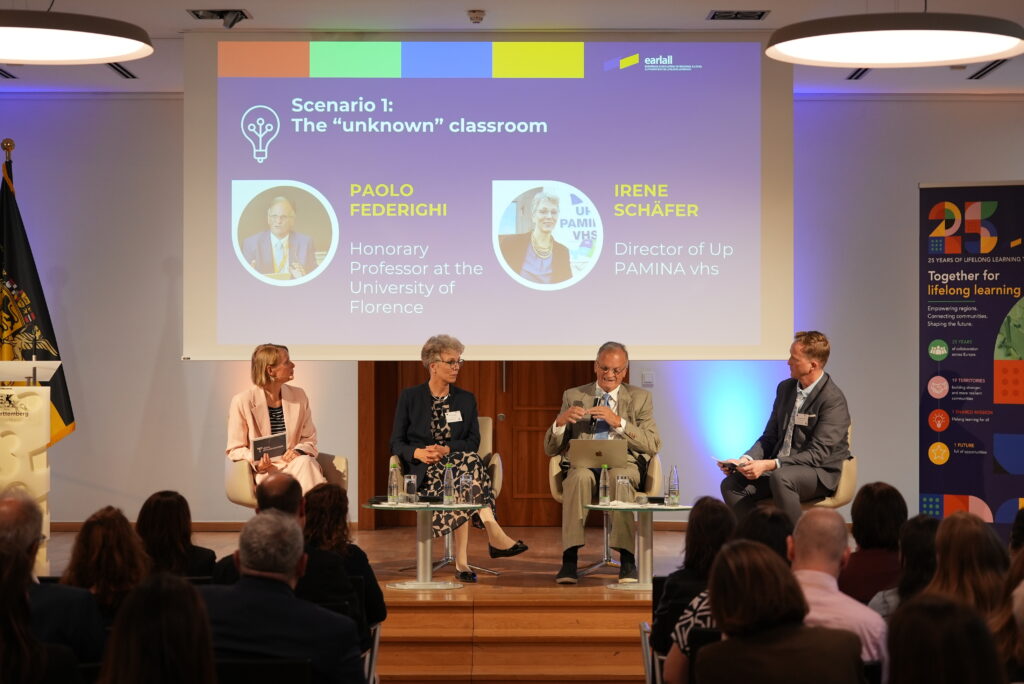
Looking towards the next 25 years, the EARLALL Discussion Session – “Future Scenarios for Learning Regions”brought together regional leaders and experts to reflect on how lifelong learning systems can respond to profound societal transformations.
In the first scenario, “The Unknown Classroom,” Irene Schäfer, Director of up PAMINA vhs, and Paolo Federighi, Honorary Professor of Adult and Continuing Education at the University of Florence, explored the future of regionally rooted adult education institutions. They reflected on declining participation in adult learning, the disruptive impact of artificial intelligence and changing labour market demands, while emphasising the enduring value of trusted local institutions.
The discussion highlighted the need for stronger public investment in lifelong learning infrastructures, greater flexibility in learning pathways and renewed governance frameworks capable of safeguarding the public character of adult education. Professor Federighi advocated for a “new learning welfare”, proposing measures such as learning outcome guarantees, enhanced recognition of workplace learning and stronger public support systems to ensure equitable access to learning opportunities. Irene Schäfer emphasised the importance of nurturing a culture of learning throughout life, including through cross-border cooperation and European projects that strengthen regional partnerships.
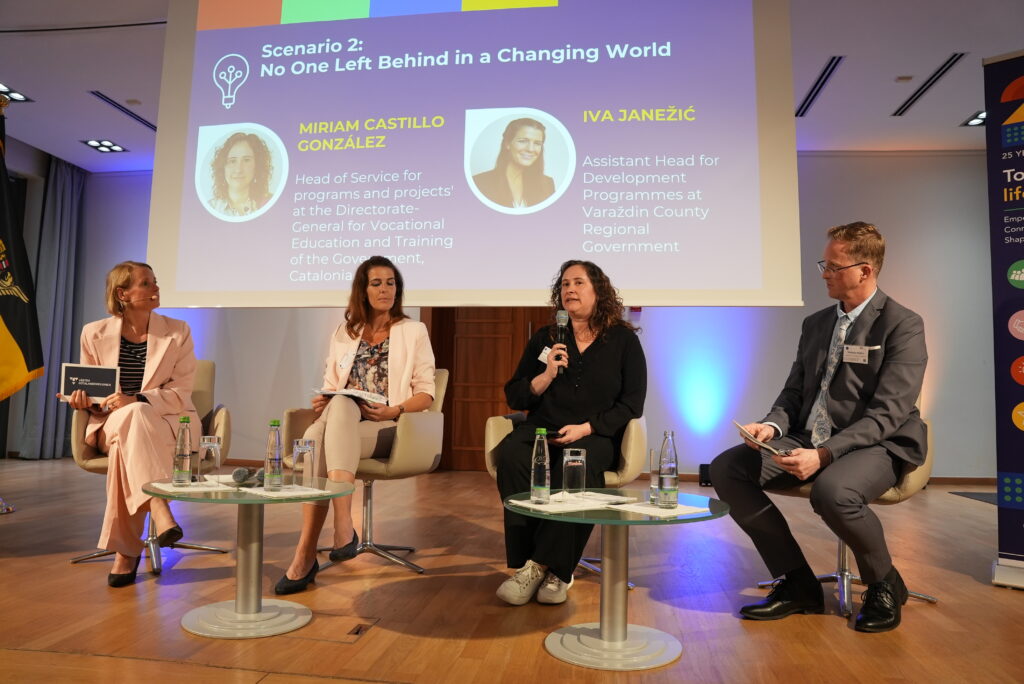
The second scenario, “No One Left Behind in a Changing World,” focused on demographic change, labour shortages and the need for more inclusive learning systems. Miriam Castillo, Head of Service for Programmes and Projects at the Directorate-General for Vocational Education and Training within the Government of Catalonia, and Iva Janežić, Assistant Head for Development Programmes in Varaždin County, discussed how lifelong learning systems must evolve to respond to increasingly diverse learner needs.
Both speakers argued for moving away from rigid administrative structures towards learner-centred ecosystems built around individual pathways and local realities. Miriam Castillo highlighted the importance of ensuring equal access to opportunities regardless of where people live, recognising all forms of talent and helping individuals identify and communicate their skills. Iva Janežić stressed the value of stronger guidance services and regional learning hubs capable of supporting people as they navigate multiple transitions throughout their lives.
Together, these discussions reinforced a shared message: the future of lifelong learning in Europe depends on systems that are more flexible, more inclusive and more deeply connected to the communities they serve.
Closing the event, Madeleine Jonsson and Noelia Cantero, Director of EARLALL, unveiled the network’s 25th anniversary video and reflected on the collective journey undertaken by the association and its members.
The celebration extended into a second day of activities on 12 June, offering participants the opportunity to deepen connections and experience European cooperation in practice. Study visits included exchanges with European institutions, notably the European Parliament and the European Committee of the Regions, as well as participation in the initiative“Expanding Horizons: Celebrating 5 Years of Ambassador of Mechelen and Building International Connections” organised by GO! and Crescendo CVO Mechelen.
These visits reinforced one of the key messages emerging from the anniversary celebrations: that learning flourishes through dialogue, mobility and partnerships that transcend borders.
As EARLALL marks its first quarter century, the network remains firmly focused on the future. In an era characterised by rapid technological change, demographic transitions and evolving societal needs, lifelong learning has never been more essential. The anniversary celebrations demonstrated that regions are uniquely positioned to connect people, institutions and opportunities, ensuring that learning remains accessible, inclusive and relevant throughout life.
The celebration of EARLALL’s 25th anniversary will continue throughout 2026, culminating at the EARLALL Annual General Assembly, hosted by Region Västra Götaland, Sweden, from 2–4 December 2026 under the theme: “From Basic Skills to STEM.”
As EARLALL enters its next chapter, the message from Brussels was clear: Europe’s future will be shaped not only by policies and institutions, but by learning regions working together to empower citizens, strengthen communities and build a more resilient and inclusive Europe.
Event materials:
- Photo gallery
- Wrap-up video
- 25th Anniversary video
- Report
- Five Years: ‘Ambassador of Mechelen’ and Presentation from the event (12 June, Mechelen)