
EWRC 2026: EARLALL joins Västra Götaland’s event on protecting culture in wartime
13/10/2026
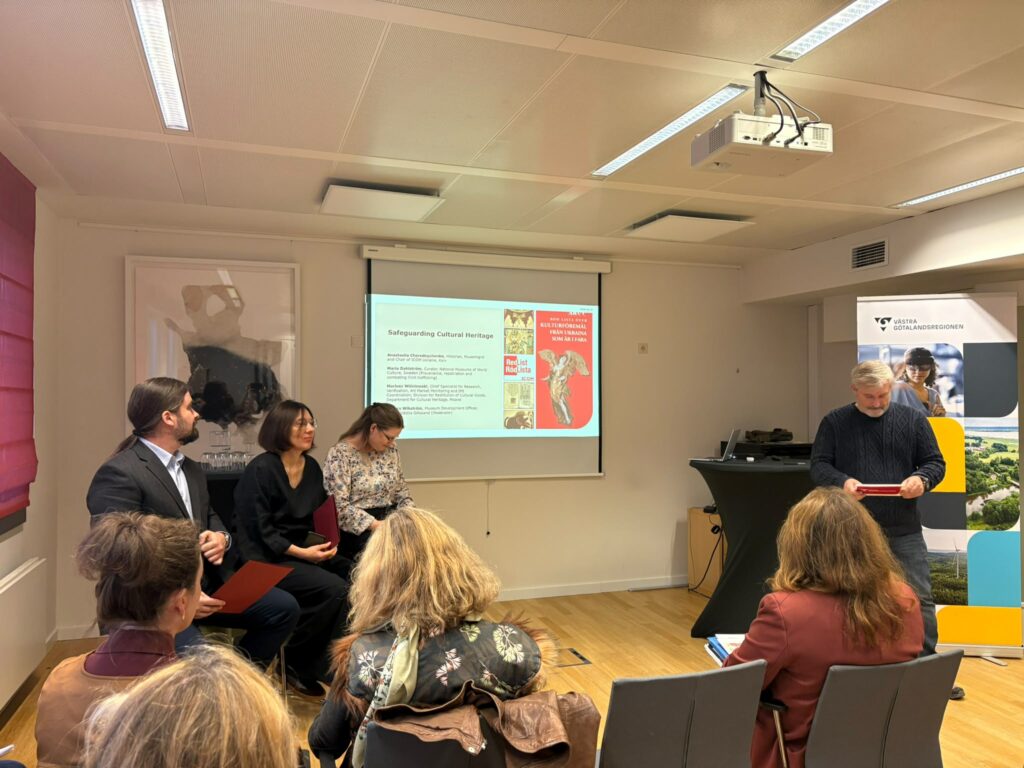
On 12 October 2026, EARLALL participated in “When Culture is at Risk: Safeguarding Heritage and Empowering Creative Voices in Wartime”, a seminar organised by its member Region Västra Götaland, Sweden. Held at Nordic House in Brussels during the European Week of Regions and Cities 2026, the event brought together museum professionals and cultural practitioners to discuss the protection of heritage and artistic expression, with a particular focus on Ukraine.
Opening the seminar, Alex Bergström, President of the Cultural Affairs Committee in Region Västra Götaland, emphasised that Ukraine is defending its people, history and culture, and that this defence matters to Europe as a whole.
Safeguarding heritage through documentation and cooperation
Moderating the first session, Anders Wikström, Museum Development Officer at Region Västra Götaland, highlighted the connection between conflict and identity, and the mobilisation of cultural institutions to protect heritage.
Anastasiia Cherednychenko, Historian, Museologist, Chair of ICOM Ukraine, shared her experience of evacuating museum collections and working under exceptionally difficult conditions, including electricity shortages. She explained the challenges of establishing the full extent of losses and tracing objects removed from occupied territories.
Her contribution underlined the importance of digitisation alongside paper records. Detailed inventories, photographs and descriptions can help identify missing objects and establish their ownership. She also thanked Region Västra Götaland for its support through a residency in which she had participated.
Mariusz Wiśniewski, Chief Specialist in the Division for Restitution of Cultural Goods at Poland’s Ministry of Culture and National Heritage, drew on Poland’s experience of wartime cultural losses and restitution. He stressed the importance of putting international legal commitments into practice and strengthening cooperation between countries. Tracing an object’s provenance, or history of ownership, requires specialist knowledge and reliable documentation. Sharing expertise across borders is therefore essential.
Maria Dahlström, Curator at Sweden’s National Museums of World Culture, discussed repatriation, illicit trafficking and the need for greater public awareness. She highlighted the value of cooperation between museums, customs authorities, police, religious institutions, libraries and archives.
She also introduced ICOM’s Emergency Red List of Cultural Objects at Risk – Ukraine, a resource that identifies categories of vulnerable objects to help prevent their illicit trade. It is a tool for recognising objects at risk, rather than an inventory of stolen items. Her contribution encouraged greater scrutiny of the origins of cultural objects and caution when purchasing antiquities.
Supporting creative voices and documenting wartime experience
The second session, moderated by Camilla Larsson, Program Manager, Gothenburg Film Festival, explored filmmaking and residencies in wartime.
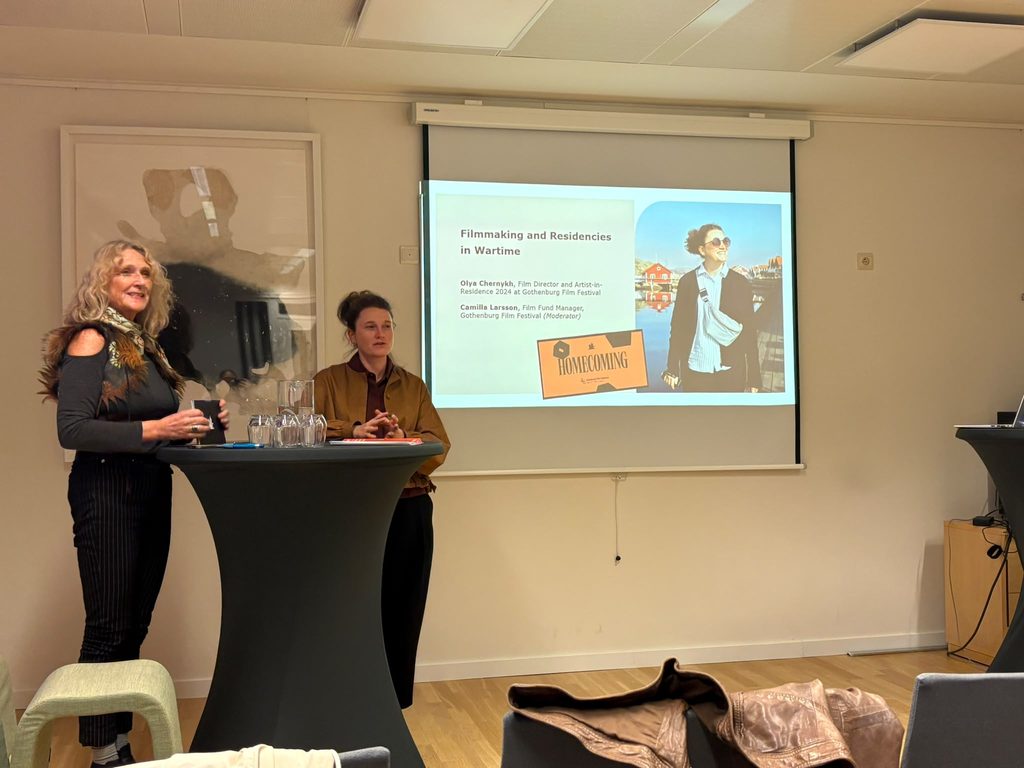
Ukrainian film director Olya Chernykh, an artist-in-residence at the festival in 2024, discussed The Illusion of a Quiet Night. Filmed during a single night in July 2025, the documentary brings together footage from across Ukraine to portray people’s experiences of living through war.
The discussion also addressed the documentary community’s role in preserving evidence. One example was the Ukraine War Archive, developed by NGO Docudays, which collects and preserves material documenting the war for use by researchers and investigators.
The role of regional support
Since 2022, Region Västra Götaland has funded around thirty temporary residencies for artists, including filmmakers, and museum professionals from Ukraine. These stays offer a respite from the war, access to professional networks and support tailored to participants’ interests and needs.
For EARLALL, the seminar highlighted the importance of professional learning and cooperation across borders in safeguarding culture. The experiences shared demonstrated how regions can support cultural professionals, sustain creative work and help preserve knowledge and heritage for future generations.