

Baden-Württemberg Delegation Explores Innovative Approaches to Labour Market Integration During Study Visit to Gothenburg
02/07/2026
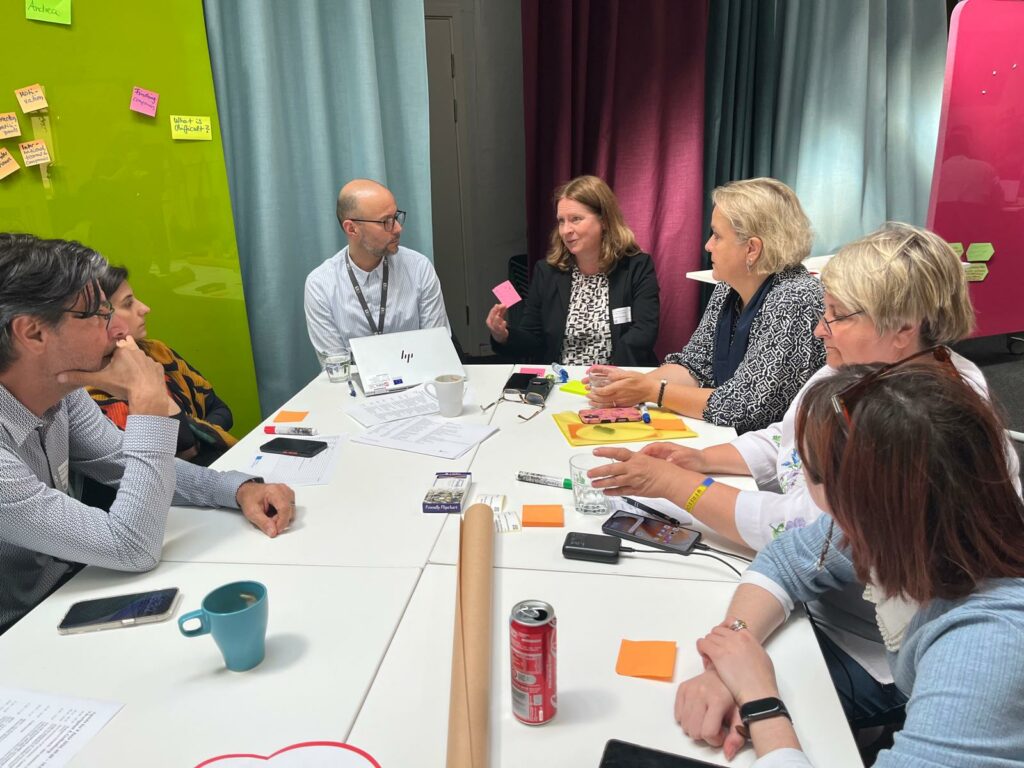
From 8 to 9 June 2026, a group of 19 participants from Baden-Württemberg, one of EARLALL’s member regions, recently visited Gothenburg, Sweden, as part of an Erasmus+ KA1 mobility programme for learners and staff in vocational education and training (VET). Co-funded by the Erasmus+ programme, the study visit brought together language mentors, managers, employees, employers, researchers, and refugees to exchange experiences and explore innovative approaches to labour market integration and workplace language learning.
The participants were warmly welcomed by Mr Bilal Almobarak, Executive Director of the Support Group Network (SGN), whose premises hosted the study visit throughout the programme.
Mr Claudio McConnell, Organisational Development Officer at the Support Group Network (SGN), presented AGRI for Integration, an AMIF-funded project promoting the inclusion of third-country nationals in the agri-food sector through skills development, career mentoring, and sustainable agriculture training. Ms Vladyslava Vasendina complemented the presentation by sharing valuable insights from a participant’s perspective, illustrating the project’s impact on individual integration pathways.
Ms Pia Kittilä Andersson, Business Development Officer at the Labour Market Unit of the Municipality of Mark, presented several initiatives supporting labour market integration, including the SALAM Interreg Europe project. She highlighted the municipality’s implementation of the Matching from Day One (MD1) method, an innovative approach that focuses on identifying individuals’ competencies and strengths to create effective matches with employers. The method has successfully supported labour market integration through close cooperation between public authorities, adult education providers, employers, and other local stakeholders.
The BEST project, focusing on the workplace as a language learning environment, was presented by Ms Andrea Bernert-Bürkle, Head of Unit EU Projects at the VHS Association Baden-Württemberg and Project Leader of BEST, together with Dr Stefani Hermann and Ms Roswitha Klepser, language mentor and member of the BEST team. The presenters outlined the project’s dual approach, combining workplace-based language learning, internships, coaching, and language workshops to support the sustainable labour market integration of migrants and refugees. The presentation also highlighted innovative elements such as AI-based skills assessment, personalised language coaching, and workplace language mentors, demonstrating how the model enables faster access to employment while strengthening participants’ language skills and supporting long-term integration.
Ms Sabine Stagl-Schlagenhauff, representing Hotel Krone Tübingen and the Vocational Education and Training Division of the German Hotel and Restaurant Association in the Tübingen district, shared her experiences as a partner in the BEST project. She emphasised the potential of the workplace as an effective language learning environment, particularly within the hospitality sector.
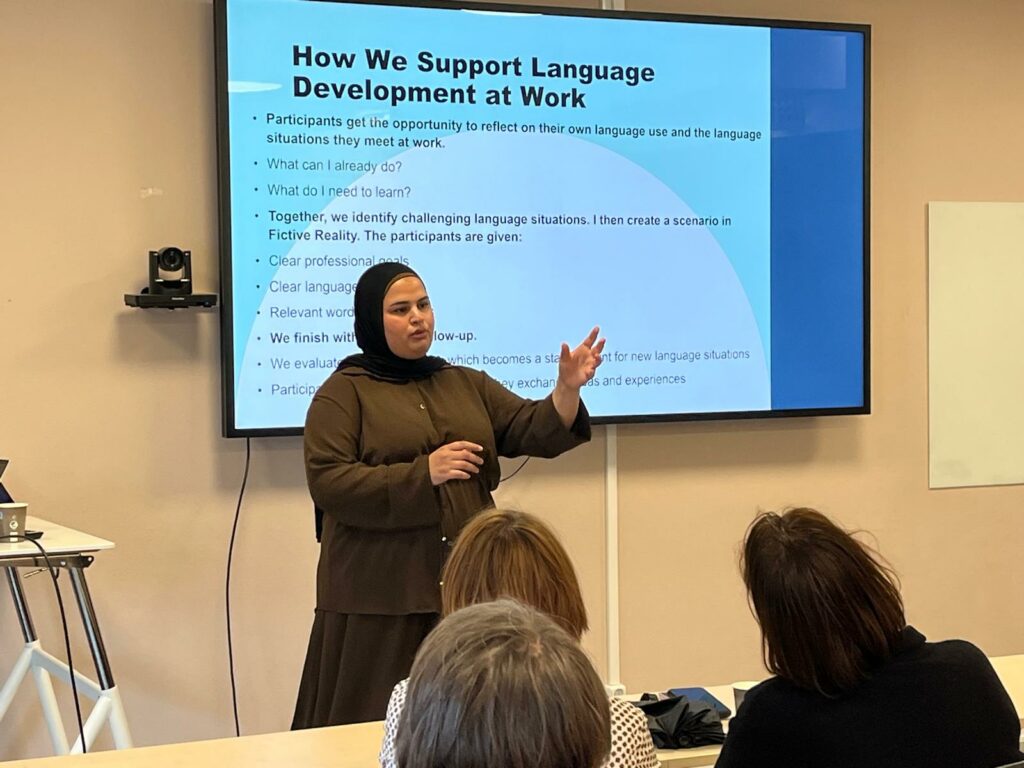
Ms Lena Thornéus, Planning Manager at the Department of External Relations, Development Unit, City of Gothenburg’s Labour Market and Adult Education Administration, presented Developing Language-Supportive Workplaces, a systemic approach to workplace language development. She introduced an innovative pilot initiative in Gothenburg that combines workplace language analysis, language assessment, training programmes, Language Ambassador networks, AI-supported language practice, and competence development for managers and workplace mentors. The presentation demonstrated how a structured, organisation-wide approach can strengthen language competence, improve workplace communication, and contribute to sustainable labour market integration.
Ms Elke Fahrner, Head of Market and Integration at the Job Center District of Tübingen, joined the study visit online to present BEST – Learning the Language and Working: A Dual Integration Concept. She demonstrated how the Tübingen model combines language learning with workplace training to accelerate labour market integration. By integrating language workshops, workplace language mentors, and close cooperation with employers, the model has significantly reduced the time required for refugees to enter employment while supporting their long-term integration into working life and society.
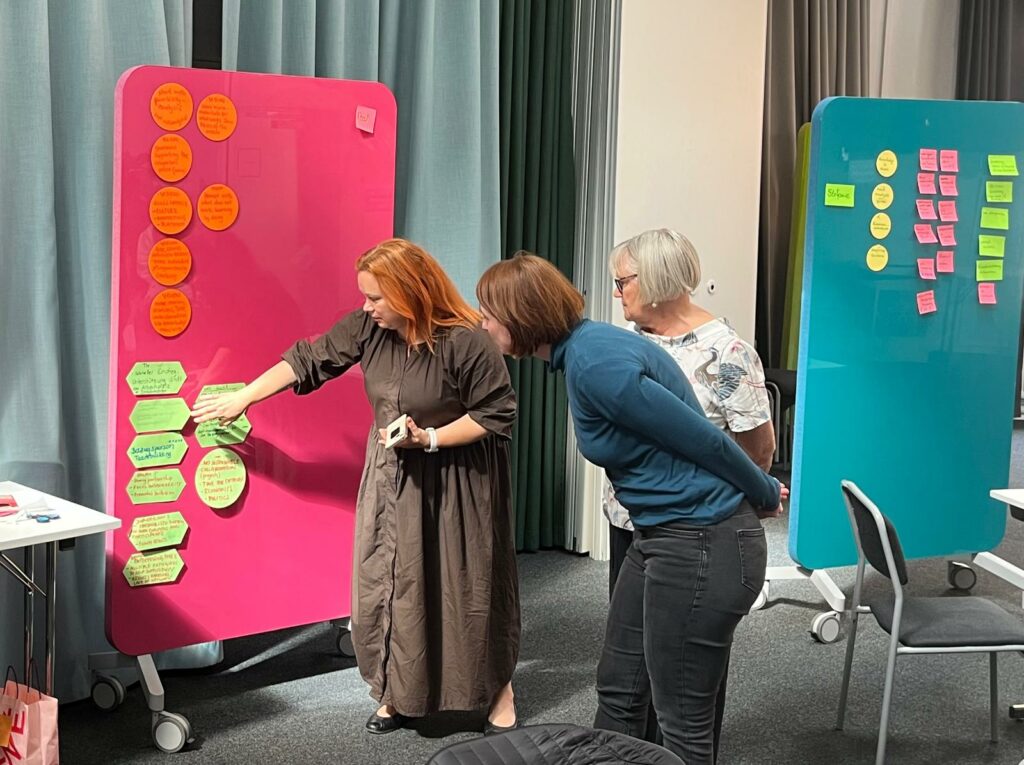
The afternoon programme was dedicated to an interactive exchange session and Zukunftswerkstatt (Future Workshop) through peer learning, facilitated by Ms Roswitha Klepser. The workshop provided participants with the opportunity to reflect on the presented approaches and discuss possibilities for transferring and adapting good practices across regions.
On the second day of the study visit, Mr Nima Faghih, Development Officer and Project Manager at the Social Services and Labour Market Department of the Municipality of Mölndal, presented the municipality’s work on labour market integration. He highlighted several local initiatives, including the collaboration with Quality Hotel The Weaver in Mölndal, which creates opportunities for skills development, workplace learning, and pathways into employment for individuals entering the labour market.
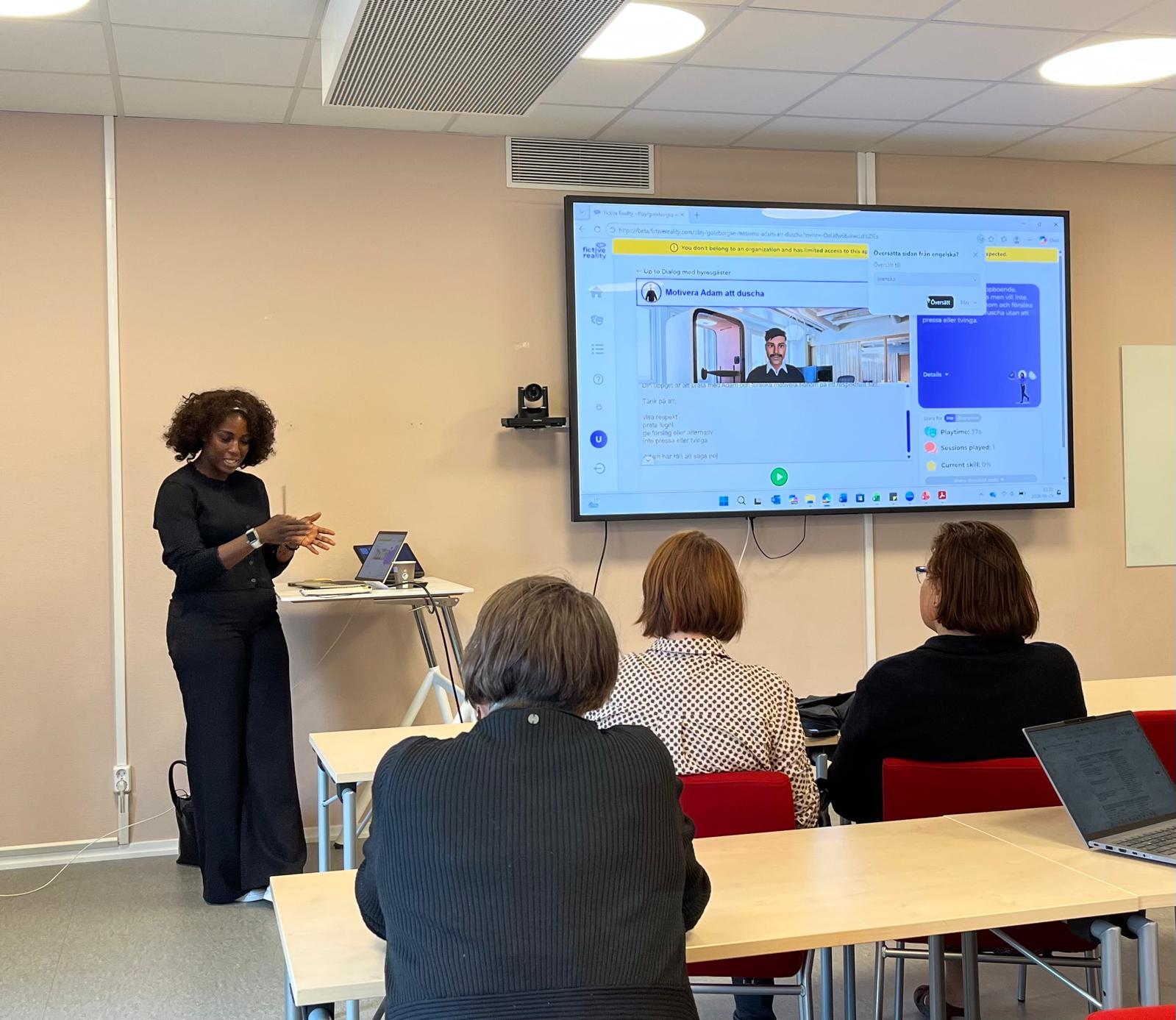
Ms Lena Thornéus, together with Ms Huda Simmo, teacher at Talenti, presented Språklyftet (The Language Lift), a workplace language training programme for employees in municipal care and support services. Based on workplace language analysis, the programme develops participants’ profession-specific language skills through authentic workplace scenarios, reflection, feedback, and AI-supported practice. Ms Fatou Jobe, a support worker and participant in the programme, demonstrated how interactive AI tools are used to practise authentic workplace communication. Her presentation illustrated how clearly defined workplace language scenarios help employees build confidence, strengthen professional communication, and develop action readiness in everyday work situations.
The study visit provided an important platform for peer learning and knowledge exchange, highlighting innovative approaches to workplace language learning and labour market integration. The experiences shared during the visit reinforced the value of cross-sectoral collaboration and European cooperation in creating more inclusive and sustainable pathways to employment.