

5th Residential Peer Learning Meeting in Gothenburg – SALAM Project
09/06/2026
On 4–5 June 2026, partners of the SALAM project gathered in Gothenburg for the 5th Residential Peer Learning Meeting, hosted by Region Västra Götaland at Yesbox – Home of Entrepreneurs.
Opening perspectives on inclusion and employment
The meeting opened with a welcome session led by Region Västra Götaland, setting the stage for two days of exchange, learning, and collaboration.
Participants were introduced to the regional context for inclusion and employment, highlighting the region’s long-standing commitment to social cohesion, skills development, and inclusive growth as central pillars of its strategy. Labour market integration was presented as a shared responsibility involving public authorities, education providers, employers, and civil society.
A key focus was the “Helhet Syftet” initiative, which promotes a holistic approach to inclusion by combining employment support, education, language learning, and social participation. The initiative generated rich discussion on how such integrated approaches can be adapted and transferred across different regional contexts.
Panel discussion: making labour markets more accessible
A central moment of the first day was a panel discussion on sustainable labour market access for migrants, bringing together representatives from public authorities, employment services, research, business, and civil society.
The debate highlighted persistent structural barriers, including skills mismatches, language barriers, challenges in the recognition of qualifications, fragmented services, and employer perceptions. Participants underlined the importance of long-term, coordinated approaches that integrate employment, education, language acquisition, and social inclusion measures. Trust-building emerged as a key enabling factor across all interventions.
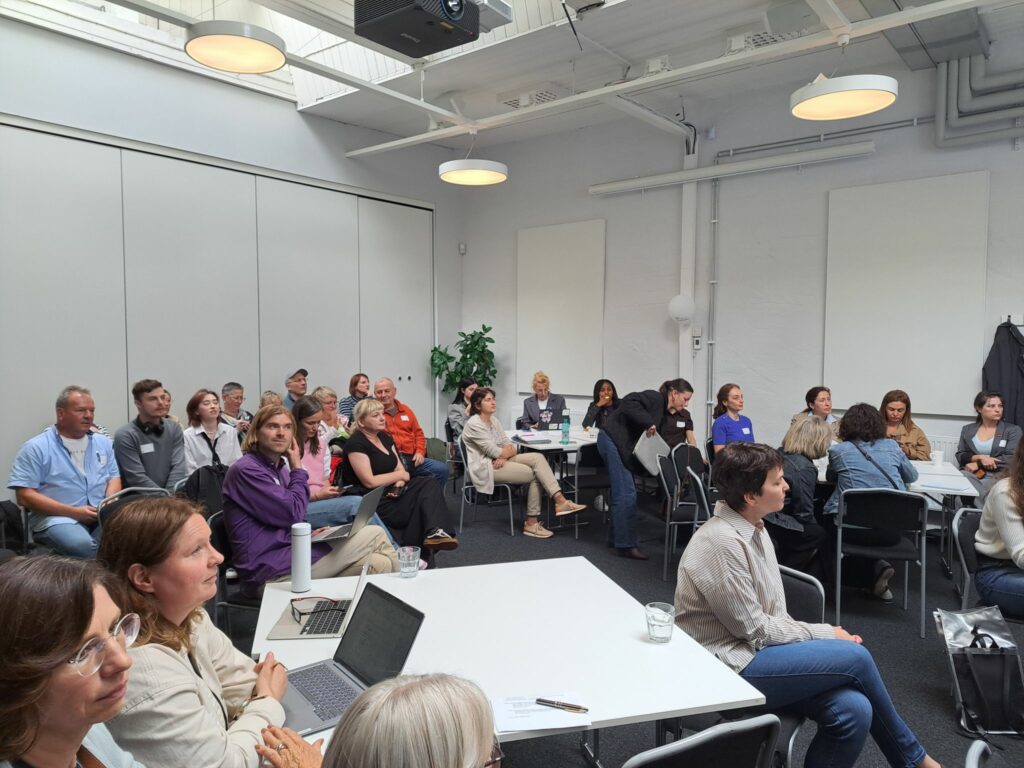
An interactive workshop followed, where participants identified local challenges and co-developed ideas to improve migrants’ access to employment across European regions.
Study visits: inclusion in practice
In the afternoon, participants took part in study visits showcasing inclusion in practice.
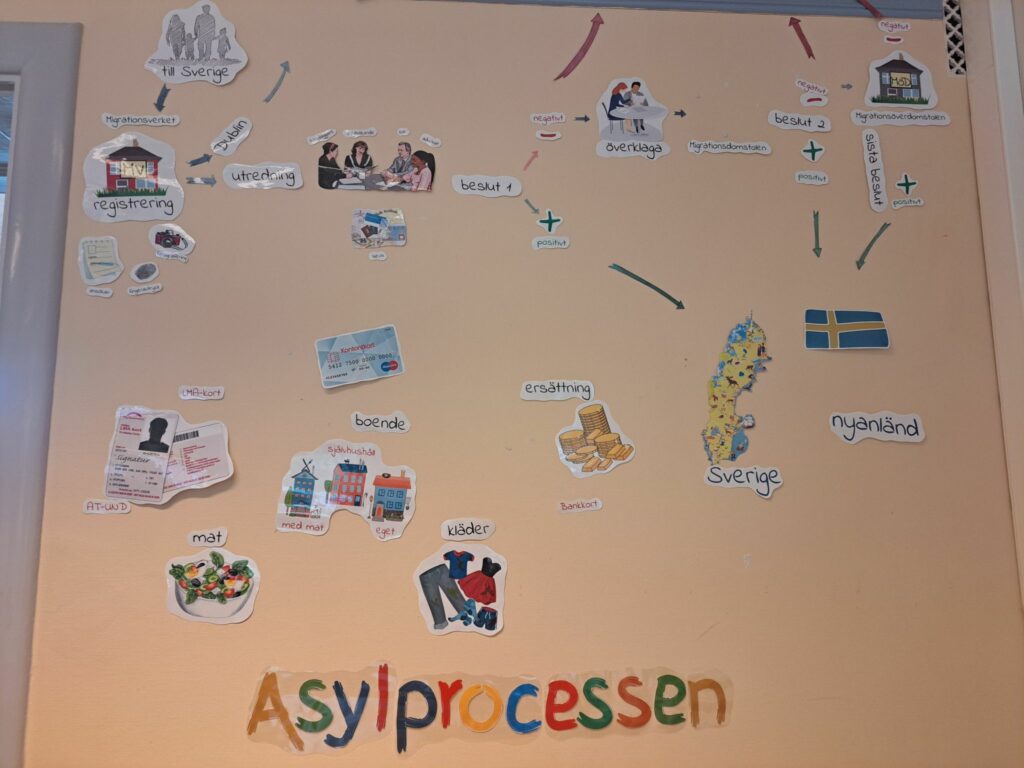
At Restad Gård, Sweden’s largest asylum accommodation centre, participants met refugees and a wide range of stakeholders, including NGOs, public authorities, and private actors. The visit illustrated the importance of cross-sector cooperation in ensuring dignified living conditions and meaningful daily support for asylum seekers.
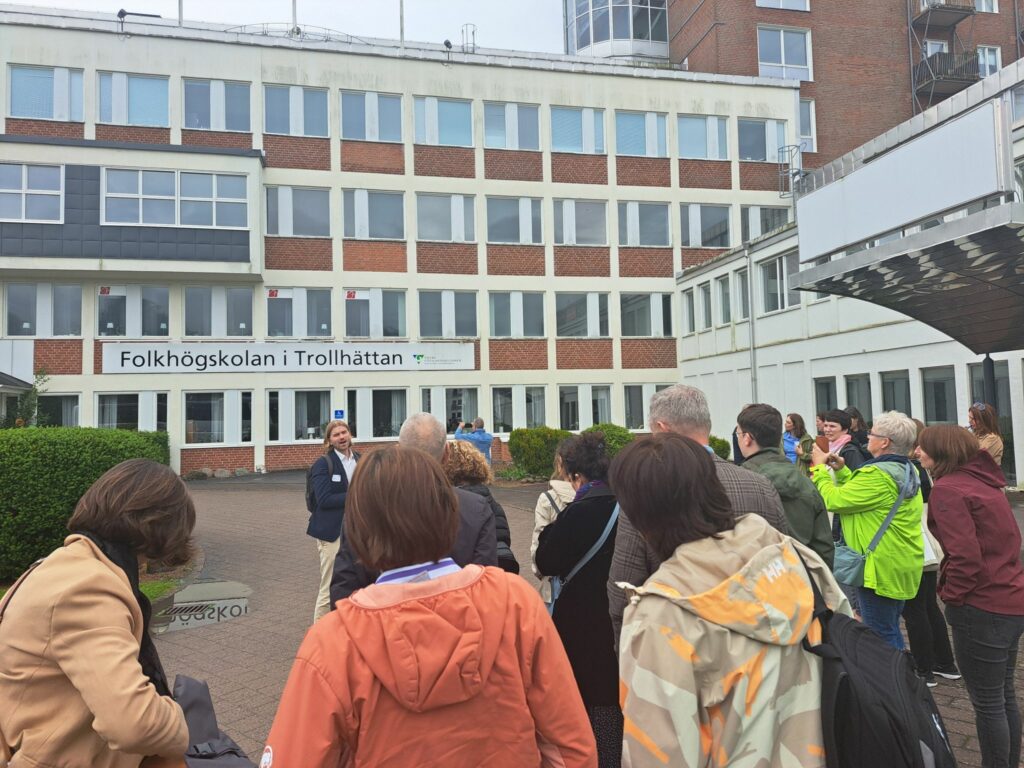
The programme continued at Dalslands folkhögskola in Trollhättan, where participants explored the role of folk high schools and adult education in supporting language acquisition, skills development, and long-term integration pathways.
Regional approaches to inclusion: Västra Götaland
Region Västra Götaland also presented its broader approach to regional development, innovation, and inclusion. With 1.8 million inhabitants and a strong industrial base, the region aims to combine competitiveness with social sustainability.
Speakers highlighted the paradox of labour shortages alongside unemployment, particularly among migrant populations. Addressing this challenge requires coordinated action across policy domains, with priorities including upskilling, reskilling, improved labour market matching, and strengthened cooperation between education providers, employment services, employers, and industry.
The “Inclusive Competence Boost” project
Participants were introduced to the AMIF-funded “Inclusive Competence Boost” project (2022–2025), implemented by a consortium of 30 partners and reaching more than 2,500 participants.
The project focused on language learning, employability, civic participation, and social inclusion. Results indicate that 80% of participants improved their Swedish language skills, while 67% reported increased employability.
Key lessons emphasised that employability depends not only on skills, but also on confidence, expectations, social relationships, and access to stable support systems. Integrated approaches and strong coordination were identified as essential, with collaboration described as the “infrastructure” of sustainable inclusion.
Study visits and stakeholder perspectives
Additional sessions highlighted practical experiences from organisations working directly with migrants and asylum seekers.
- The Support Group Network presented its work on early intervention, volunteer engagement, and community-based support, including family cafés and orientation activities.
- Save the Children shared experiences from projects focused on child protection, early intervention, and safe accommodation for asylum-seeking families.
- The Swedish Red Cross presented its support services for migrants, including volunteering, counselling, translation, healthcare support, and community activities such as language cafés.
Participants also explored innovative asylum accommodation models combining housing, education, and social services to foster dignity, participation, and community life.
Day two: coordination and next steps
The second day focused on SALAM project implementation and coordination. Partners engaged in bilateral exchanges on policy instruments, sharing experiences, challenges, and progress across regions.
Updates were provided on pilot actions, communication activities, and steering committee discussions. A dedicated workshop allowed partners to align approaches and further strengthen cooperation across the consortium.
Closing reflections
The meeting in Gothenburg once again highlighted the value of European cooperation in addressing complex challenges related to migrant inclusion in the labour market. It brought together diverse experiences, strengthened partnerships, and reinforced the importance of shared learning across regions.
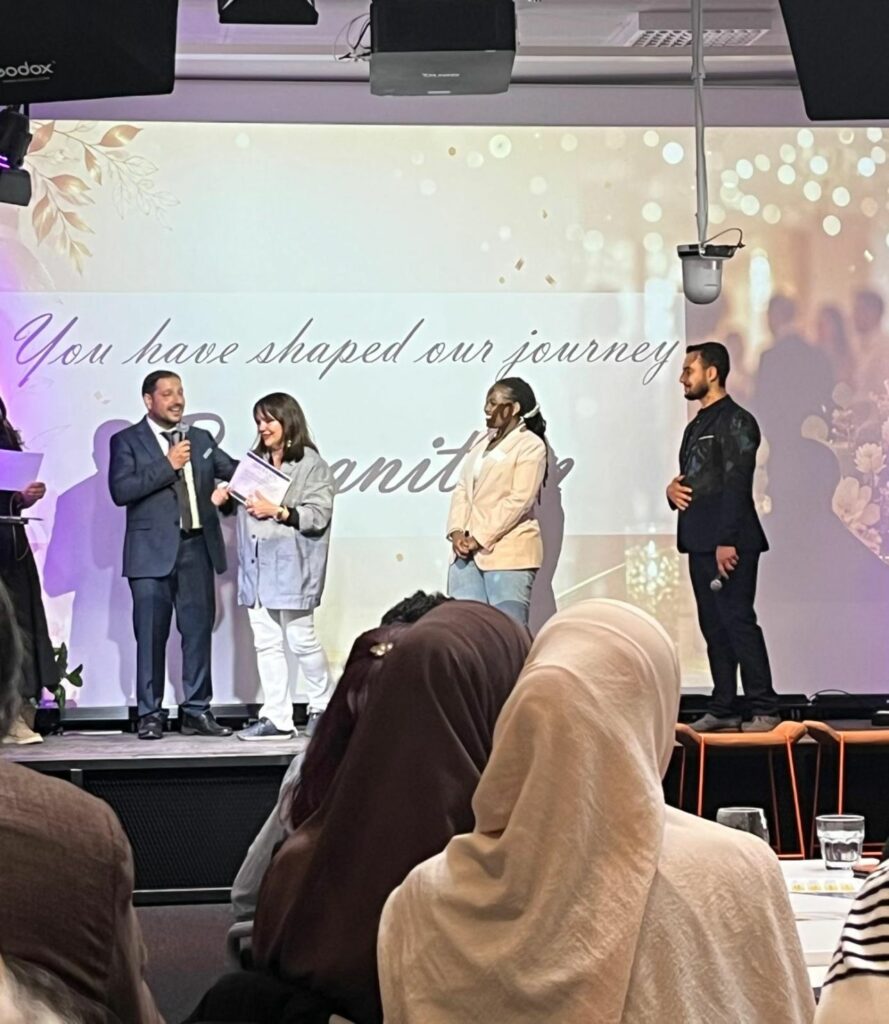
It was particularly meaningful to celebrate SGN’s 10th anniversary with them. EARLALL was also deeply touched to receive a certificate recognising their fruitful and enriching cooperation over the years.