

Advancing Quality Internships and Apprenticeships: QUEEN Project Meeting in Turku
21/05/2026
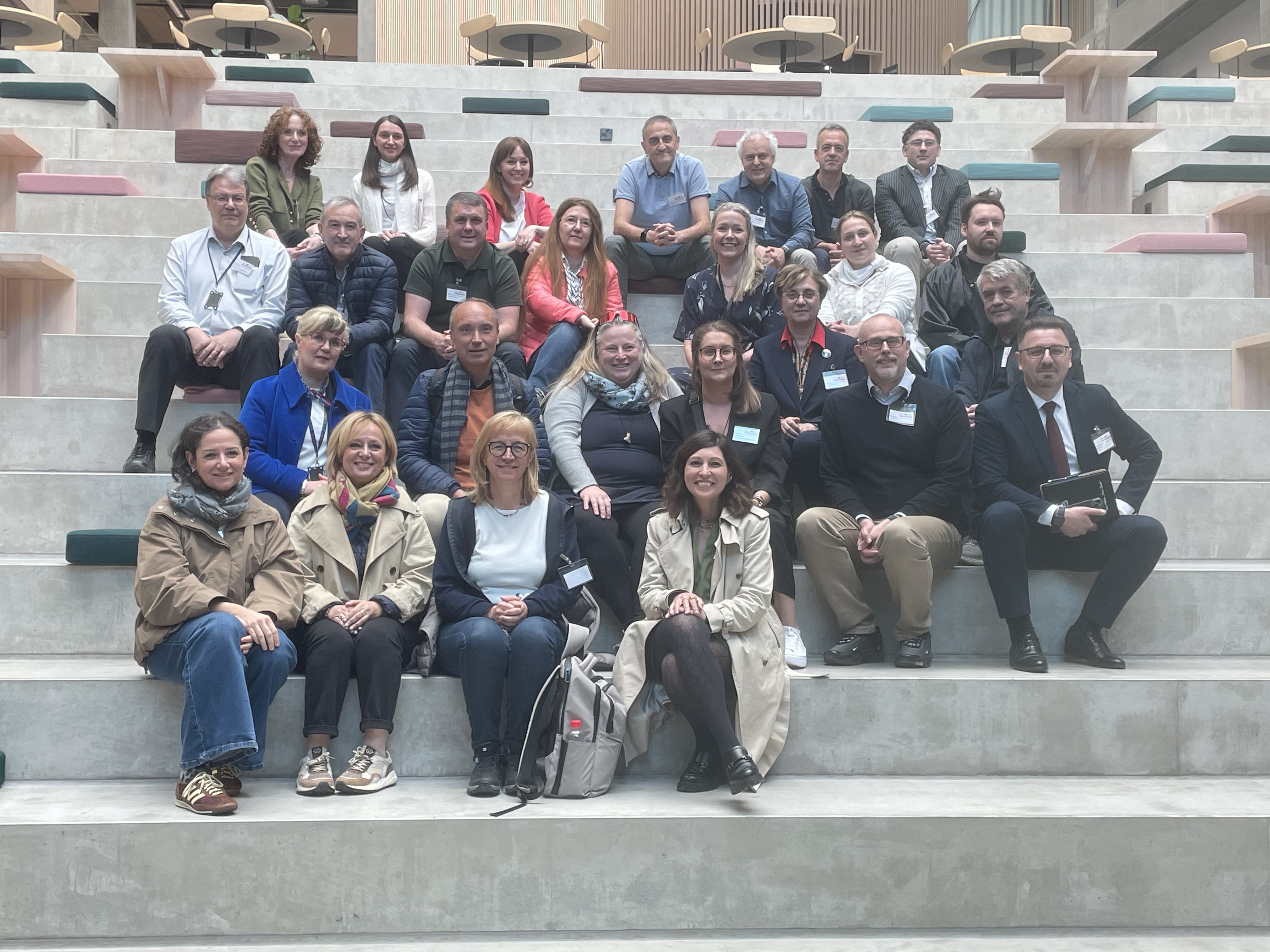
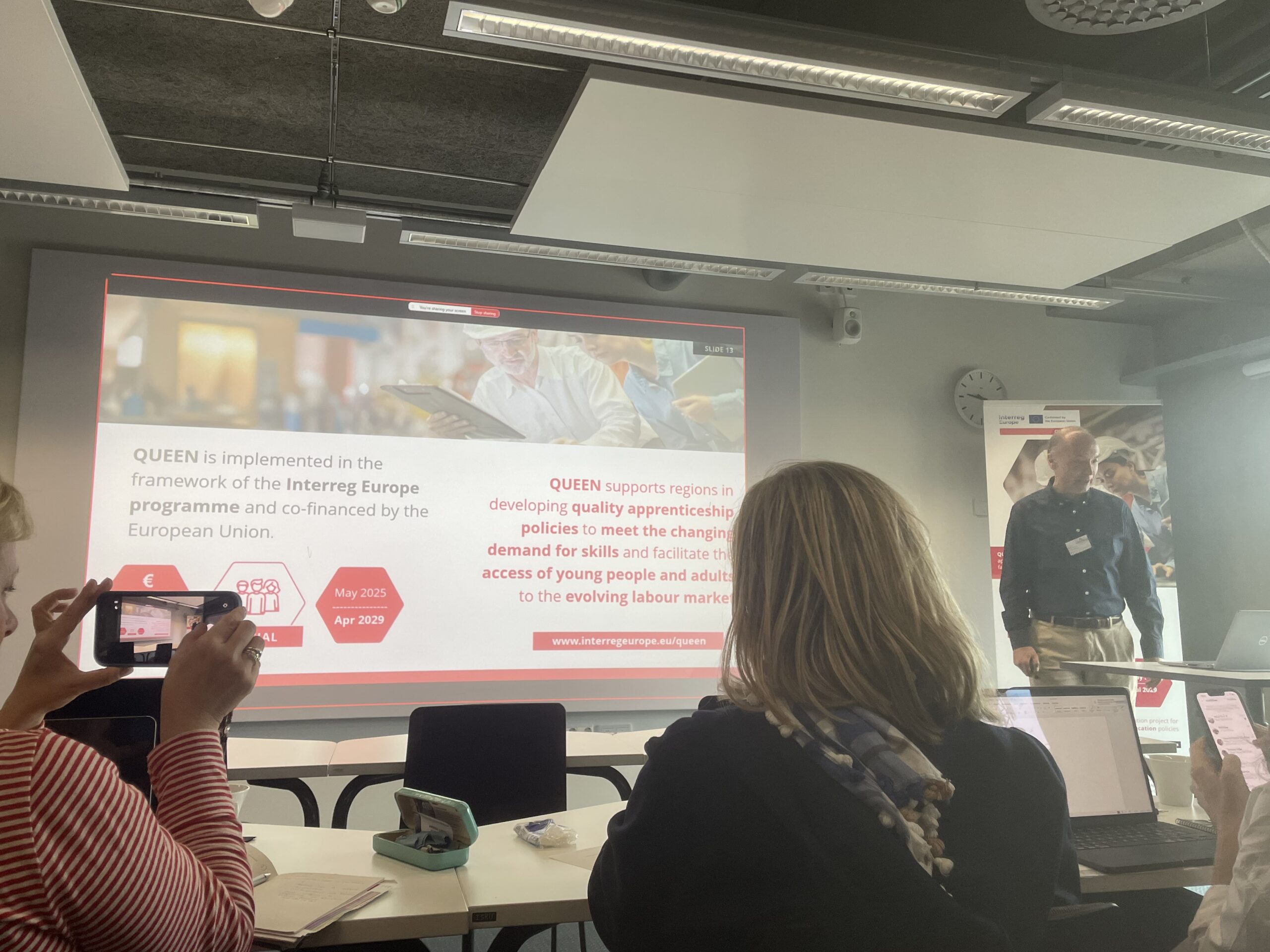
On 20–21 May 2026, the QUEEN-Quality apprenticeships for evolving labour needs (Interreg Europe Project) partners gathered in Turku, SouthWest Finland, for a two-day interregional meeting dedicated to improving the quality of internships, apprenticeships, and work-based learning across Europe. Hosted by Turku University of Applied Sciences, the event brought together project partners, regional stakeholders, education providers, and industry representatives to exchange experiences and strengthen cooperation between education and the world of work.
The meeting represented an important milestone as the project transitions from its initial analysis phase to the identification and adaptation of good practices that can support policy development across partner regions.
Responding to a changing world of work
Opening the event, Juha Kontio underlined the central role of internships within Finnish universities of applied sciences, where workplace learning is fully embedded in degree programmes. He also emphasised the need for continuous development of internship models in response to rapidly evolving labour market needs. Key topics included “quality by design” in internships, stronger employer engagement as co-educators, more flexible learning pathways, and equal access to workplace learning opportunities.
Lorenzo Sabatini, representing lead partner ASEV, introduced the next phase of the project, focusing on identifying effective regional practices and strengthening interregional exchange.
Regional cooperation and skills development
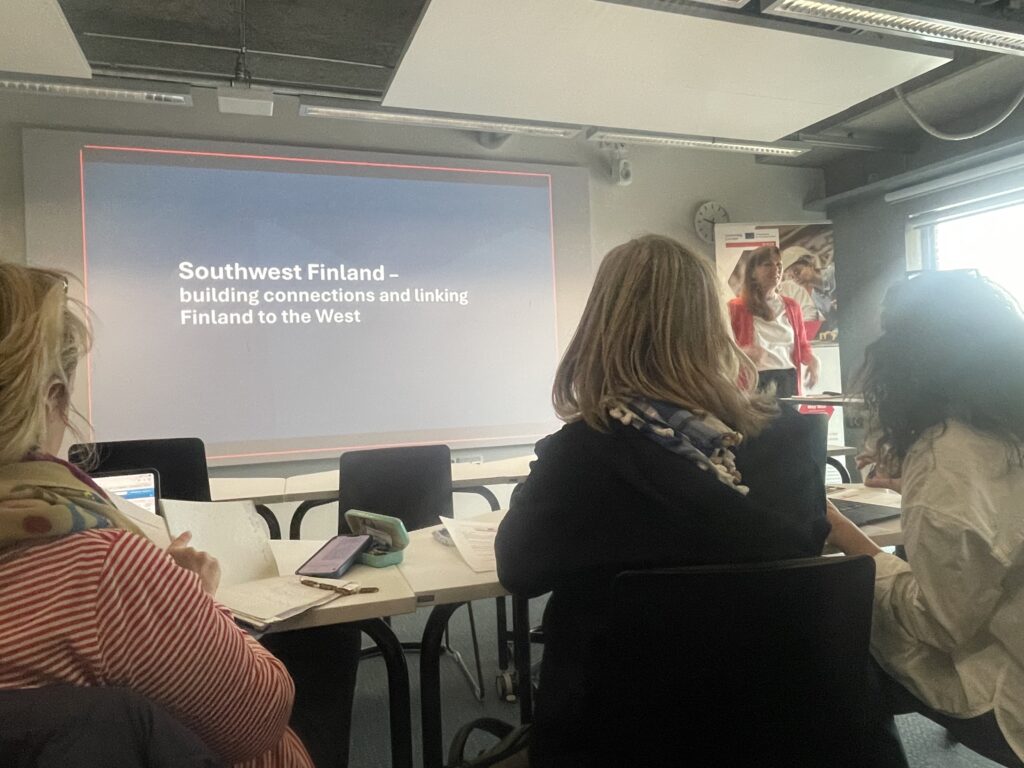
The Regional Council of Southwest Finland presented its Regional Strategy 2040+ and Regional Programme 2026–2029. The region highlighted its role as a connector of people, skills, and opportunities, with strong emphasis on continuous learning, talent attraction and retention, entrepreneurship, and collaboration between education providers, businesses, and public actors.
The discussion highlighted several ongoing initiatives, including regional coordination mechanisms for traineeships and thesis placements, skills and recruitment forums, and the development of micro-credentials to address emerging skills shortages. Common European challenges were also addressed, particularly labour shortages, demographic change, and the transition of graduates into regional labour markets.
Strengthening workplace learning support
Raseko – Raisio Regional Education and Training Consortium presented its approach to workplace instructor training, demonstrating how regional cooperation can strengthen guidance competences. The model combines online learning, face-to-face training, and self-study resources to support workplace mentors and tutors. Partners expressed strong interest in further developing comparable approaches in their own regions.
Exchange of good practices across regions
Project workshops enabled partners to share and assess good practices in internships and apprenticeships. Discussions highlighted shared priorities across regions, including the importance of tutor training, employer engagement, structured guidance, and quality assurance systems. The outcomes will inform the next project stages, including refinement of good practices and bilateral exchanges between partner regions.
Learning from the regional ecosystem
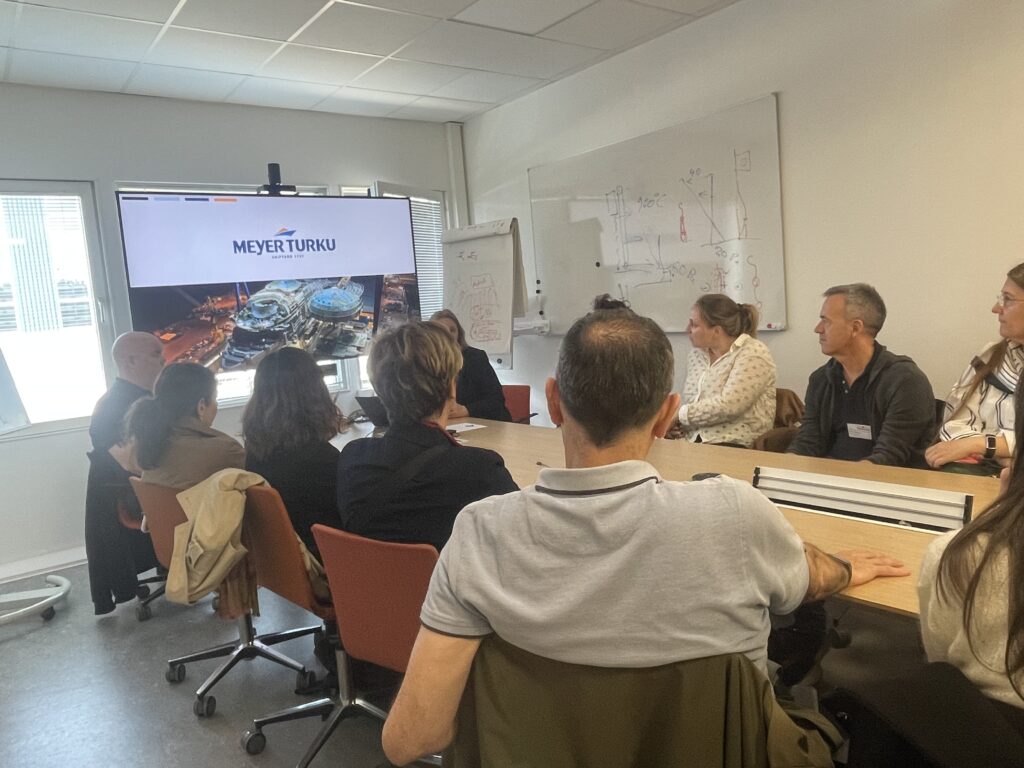
Participants also visited Meyer Turku and its Shipbuilding School, gaining first-hand insight into strong cooperation between education and one of Southwest Finland’s key industries. The visit illustrated how structured collaboration supports skills development and workforce recruitment in the maritime sector. A further visit to the Turku Vocational Institute’s teaching restaurant provided an example of authentic, work-based learning in practice.
Looking ahead
The second day introduced upcoming capacity-building activities coordinated by EARLALL, aimed at supporting a shared understanding of quality apprenticeship principles and advancing policy development through the exchange of good practices.
A Futures Platform workshop encouraged participants to explore long-term trends affecting work-based learning, including technological change, evolving skills needs, and labour market transformation. The meeting concluded with discussions on future project activities and preparations for the next QUEEN Project meeting, scheduled to take place in Cork in November 2026.