

Erasmus+ Mobility: Strengthening Adult Education Practices between Antwerp and Borås
05/05/2026
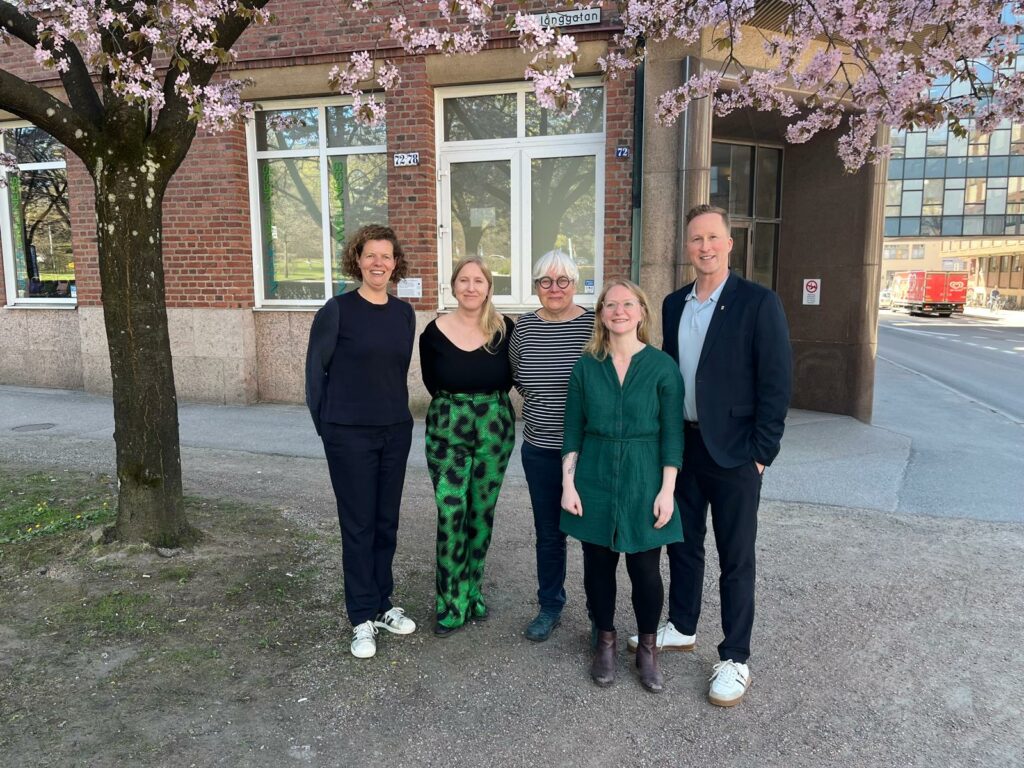
As part of the Erasmus+ KA1 Mobility programme, a delegation from GO! CVO Antwerp, Belgium, participated in a four-day job shadowing visit in the Municipality of Borås (Sweden). The visit took place within the Adult Education and Working Life Department in Region Västra Götaland. All of the participants are part of EARLALL.
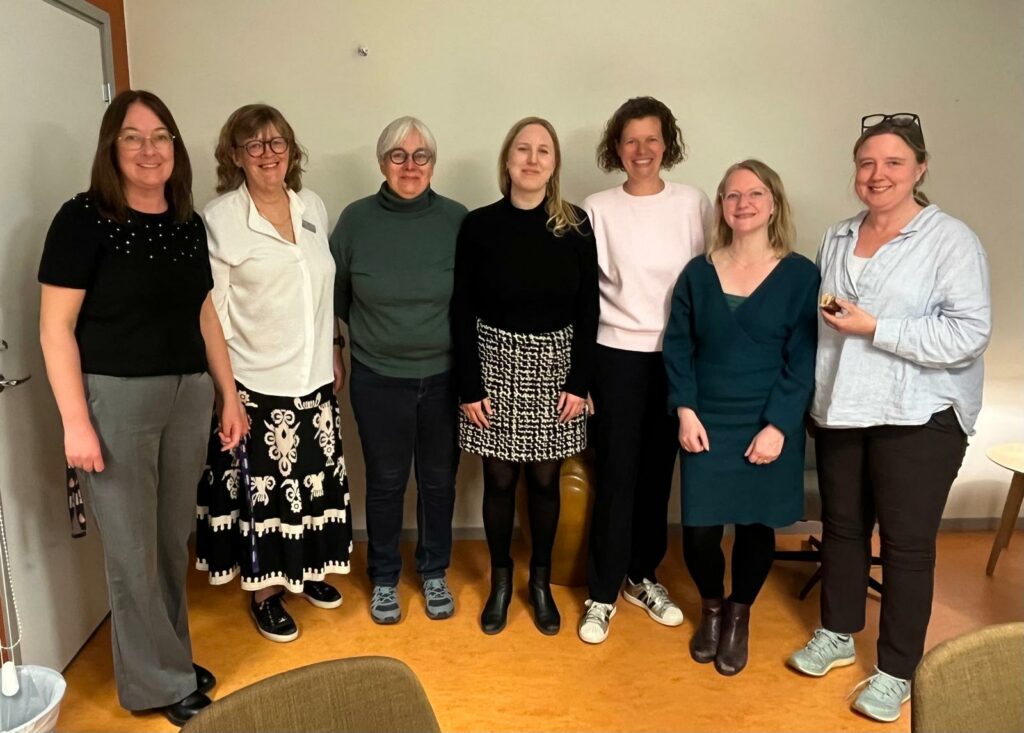
The Belgian team included Ms Shana Bomon (Head of Student Counsellors), Ms Nele Van Fraeyenhoven (Teacher of Dutch as a Second Language), Ms Annemie Gevaerts (Coordinator of Dutch Course Content), and Ms Pauline Paternottre (Coordinator of Dutch Courses). The programme was organised through the collaboration of Ms Elle Mangelschots (Professional Development Officer, GO! CVO Antwerp), Ms Anki Holst (KA1 Coordinator at Adult Education), and Mr Nicholas Waller (International Coordinator at the Working Life Department).
Focus on Language Learning and Integration
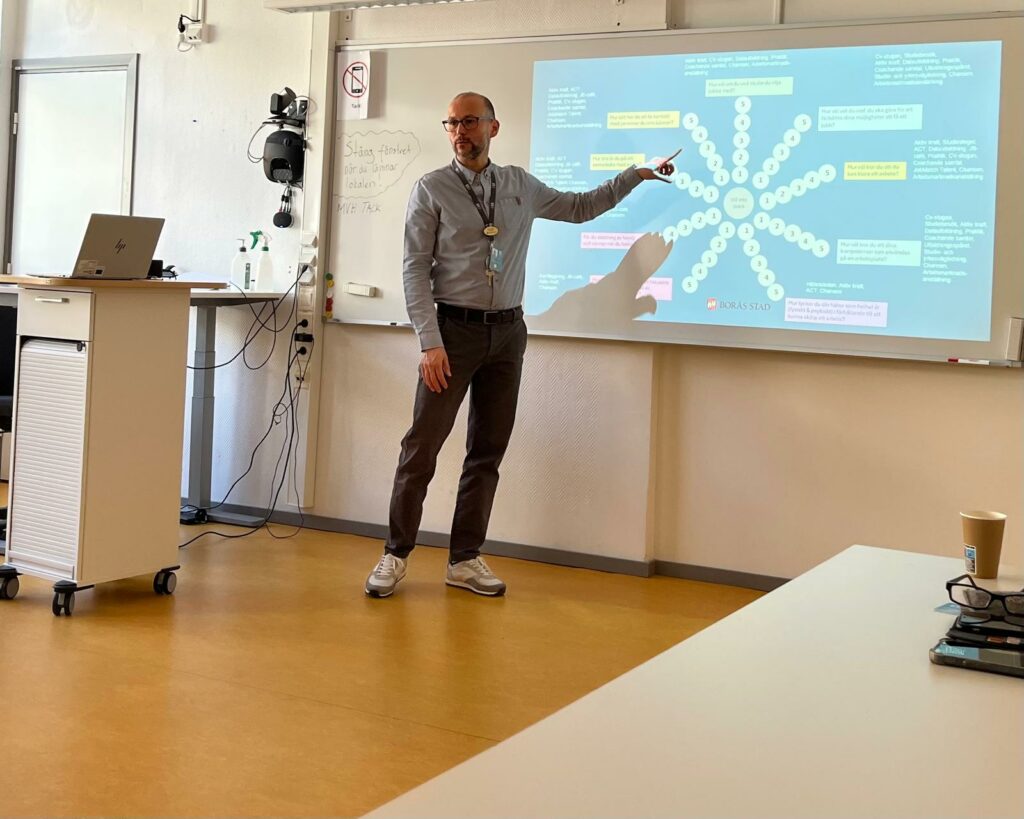
At the Adult Education centre, the programme combined lesson observations, student interactions, and professional exchanges with teachers. The primary focus was on Swedish for Immigrants (SFI), covering levels A1–A2, alongside observations of Swedish as a foreign language classes at approximately B1 to C1 levels.
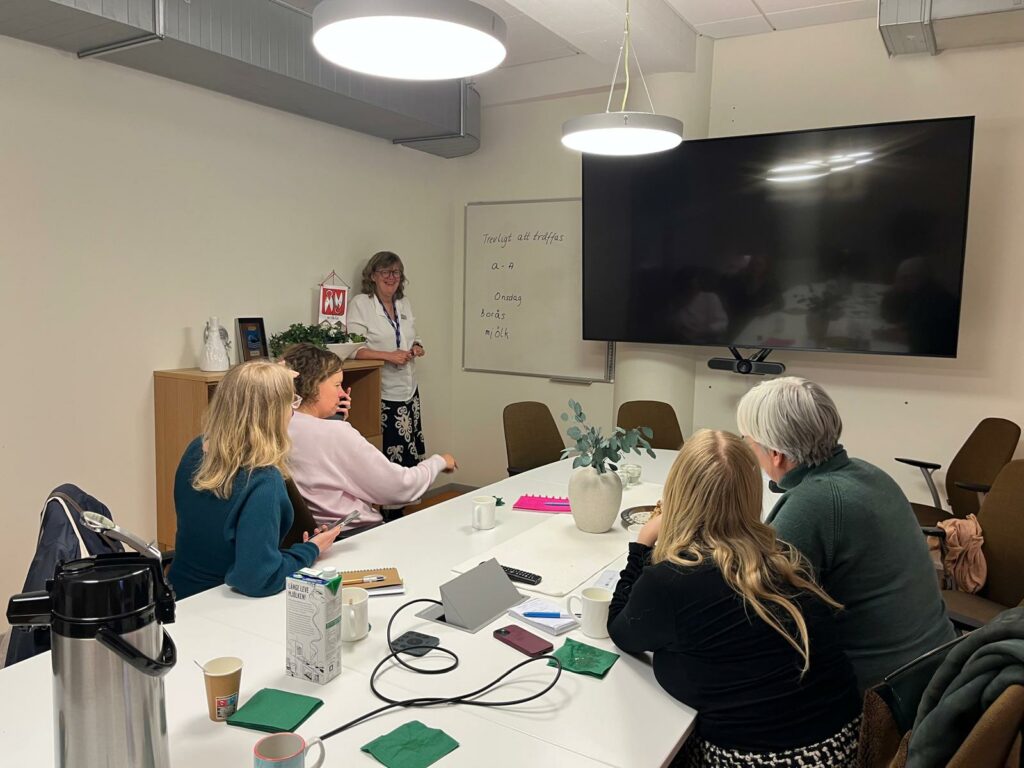
Participants also visited a language café, where students practiced conversational skills in an informal and supportive environment while engaging with counsellors. This setting highlighted the importance of real-life communication in language acquisition.
Linking Education with Employment
One of the most valuable insights gained during the visit was the strong connection between language learning, further education, and employment opportunities within the Swedish system. A wide range of courses is tailored to diverse learner groups, particularly newly arrived immigrants.
Students benefit from early guidance through individual study plans, which help maintain motivation and provide clear pathways toward long-term academic and professional goals.
Innovative Teaching Practices
The Belgian participants were particularly inspired by the use of interactive and collaborative teaching methods. Conversation groups and language cafés create relaxed environments that encourage active participation and practical language use.
Another noteworthy practice is co-teaching, where language teachers work alongside vocational education and training (VET) teachers. This approach makes learning more relevant by directly linking language acquisition to professional contexts.
Inclusive Learning Environments
The visit also highlighted the inclusive nature of classrooms, where students with varying levels, learning speeds, and educational backgrounds learn together. Peer support plays an important role in this setting, fostering collaboration and mutual encouragement. This inclusive approach provided fresh perspectives for the visiting educators.
Insights from the Working Life Department
During meetings with key staff members, including Ms Johanna Svensson Engqvist (Principal of SFI) and Ms Elisabeth Österberg (Principal of Upper Secondary Level and Special Education for Adults), participants gained a deeper understanding of the Swedish adult education system.
At the Working Life Department, the group observed a highly individual-centred approach. Each participant follows a personalised action plan based on their goals, strengths, and challenges. Emphasis is placed on dialogue, reflection, and personal responsibility in the learning process.
Ms Bisera Suljovic (Administrator and Language Support) emphasised the importance of equipping learners with strategies rather than simply providing answers—an approach that fosters independence and long-term development. A key method involves placing participants in real workplaces at an early stage, allowing them to develop skills through practical experience.
Mr Raza Jawad (Project Manager) explained that some of these practices were inspired by previous Erasmus+ job shadowing experiences in Stuttgart, demonstrating the ongoing impact of international cooperation and knowledge exchange.