

Regions at the core of Europe’s future competitiveness: EARLALL joins joint call for place-based innovation
15/04/2026
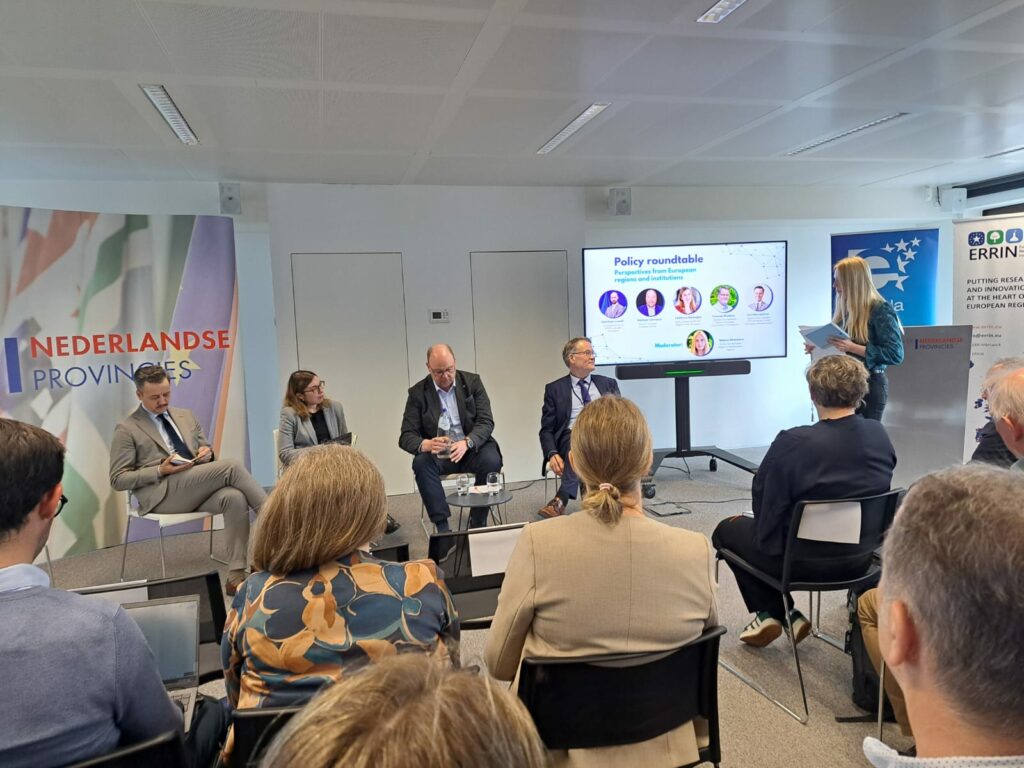
On 14 April 2026, regional stakeholders, EU institutions and innovation actors gathered in Brussels for the policy roundtable “Regions at the Core of Europe’s Future Competitiveness and Innovation Leadership”, co-organised by European Regions Research and Innovation Network (ERRIN) and European Association of Development Agencies (EURADA).
In the lead-up to the event, in March 2026, EARLALL joined 12 European networks in endorsing a joint open letter addressed to the European Commission, the European Parliament and the European Council on the future EU Multiannual Financial Framework (2028–2034).
The event took place at a key moment for European policymaking, as discussions intensify on the next Multiannual Financial Framework (2028–2034) and the future direction of EU research, innovation and cohesion policies.
The roundtable brought together representatives from the European Commission, the European Parliament, the Council, the European Committee of the Regions, regional offices and EU networks to reflect on how Europe can strengthen its global competitiveness while ensuring a place-based approach to innovation.
A central focus of the discussion was the future of Smart Specialisation Strategies (S3) and their role in shaping EU investment frameworks. Participants underlined the risk that a more centralised approach could weaken the territorial dimension that has been key to Europe’s innovation performance.
While Council representatives indicated that discussions are ongoing on the future regulatory status of S3, several participants expressed concern that limiting its role could reduce its strategic relevance in EU policy design.
Representatives from the European Committee of the Regions highlighted the need to reinforce the political relevance of Smart Specialisation and to embed it within a long-term territorial vision.
Key messages included:
- Reinforcing S3 as a strategic governance tool
- Ensuring a long-term (10+ years) territorial perspective
- Preserving the multilevel governance model as a core EU strength
Participants widely agreed that Europe’s innovation capacity relies on strong regional ecosystems and that weakening the territorial dimension would risk undermining one of the EU’s key assets.
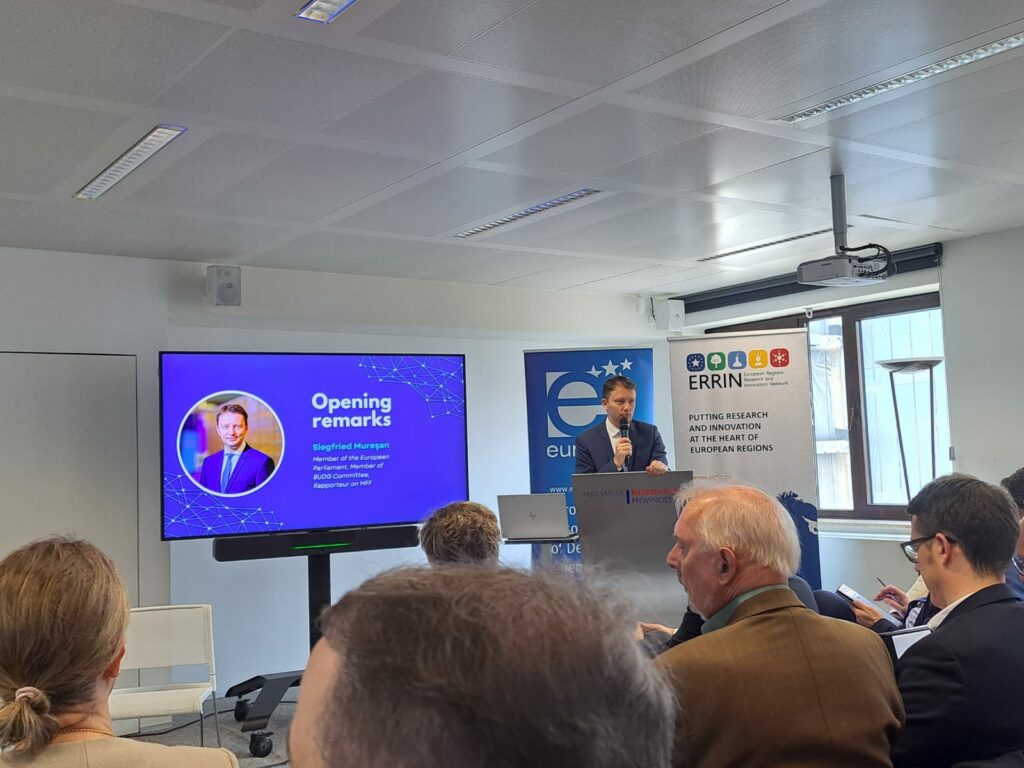
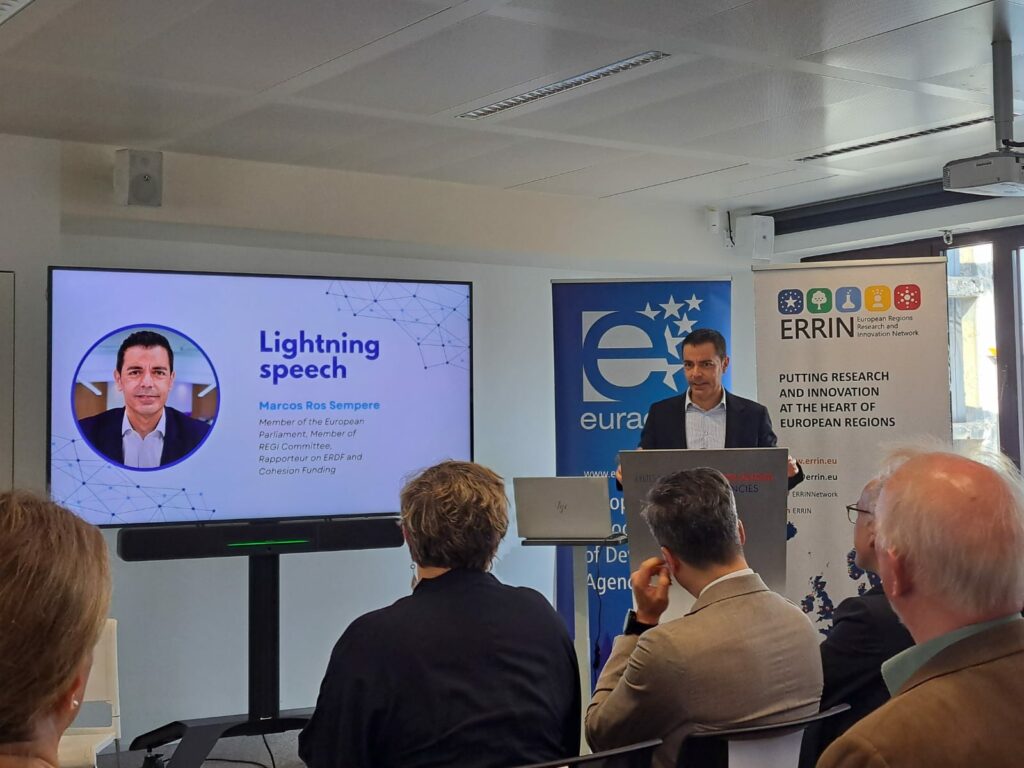
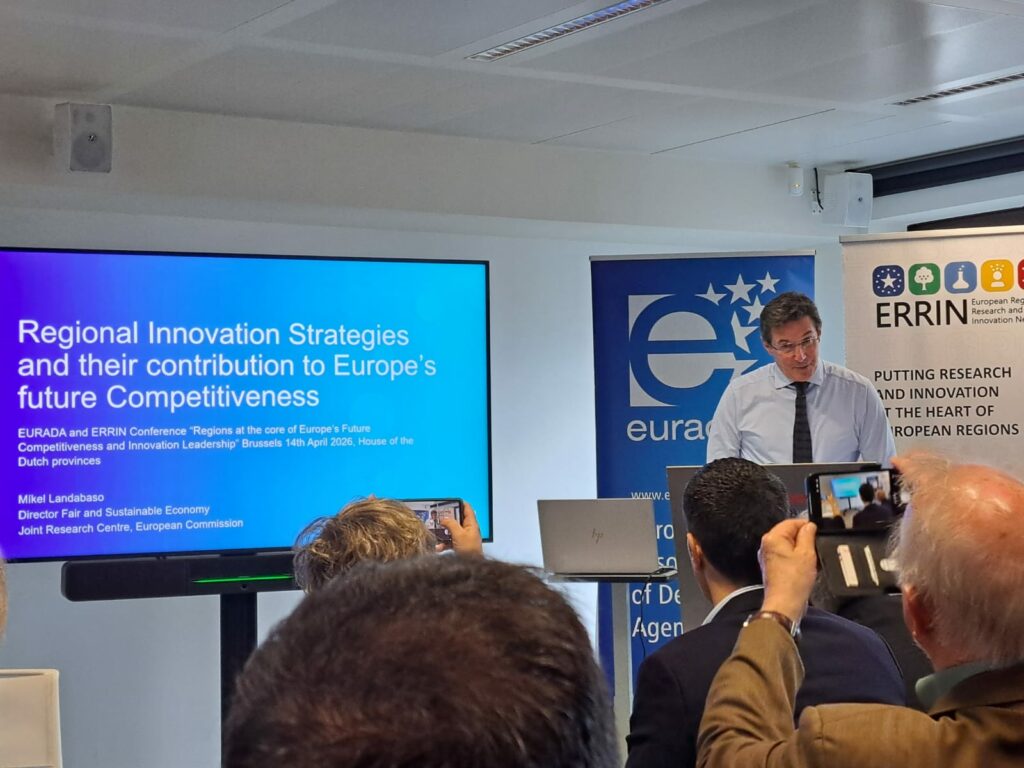
EARLALL supports the call to maintain Smart Specialisation as a central element of the future EU policy framework. At the same time, the network stresses that S3 should be recognised not only as an innovation policy instrument, but also as a framework for skills and human capital development.
From EARLALL’s perspective, regional innovation systems depend fundamentally on education, training and lifelong learning systems that equip people with the skills needed for regional transformation.
From the European Parliament perspective, speakers reiterated the importance of regions as the main drivers of innovation and competitiveness.
They emphasised that:
- Competitiveness should be embedded across the entire EU budget
- Predictability is essential for innovation ecosystems
- EU funding must ensure stability and long-term planning capacity
The Parliament is expected to adopt its position later in April, with a strong focus on safeguarding the role of regions in future EU policy frameworks. Ongoing discussions on potential new EU revenue sources were also mentioned in relation to the long-term sustainability of EU investment capacity.
Members of the European Parliament’s REGI Committee stressed that innovation takes place in regions, where skills systems, industries and governance structures interact. They called for stronger coherence between: Cohesion Policy, ERDF, Interreg and the Future research and innovation programmes. Smart Specialisation was highlighted as a strategic framework that should remain central to EU competitiveness policy.
The event also highlighted the importance of continued cooperation between European regional networks. With multiple signatories present, participants underlined the need for stronger coordination in the coming months as negotiations on the next MFF progress.
Future work will focus on aligning policy messages, coordinating engagement with EU institutions, and sustaining momentum around joint advocacy efforts.
The roundtable confirmed a shared message: Europe’s competitiveness and innovation leadership depend on its regions. Place-based approaches, supported by strong regional governance and cooperation, remain essential to effective and inclusive EU policymaking.
As discussions on the future EU budget continue, EARLALL will remain actively engaged in promoting the role of regions, skills and lifelong learning at the core of Europe’s future competitiveness.