

EARLALL Contributed to the LeadEx Interreg Europe Study Visit in Estonia
16/03/2026
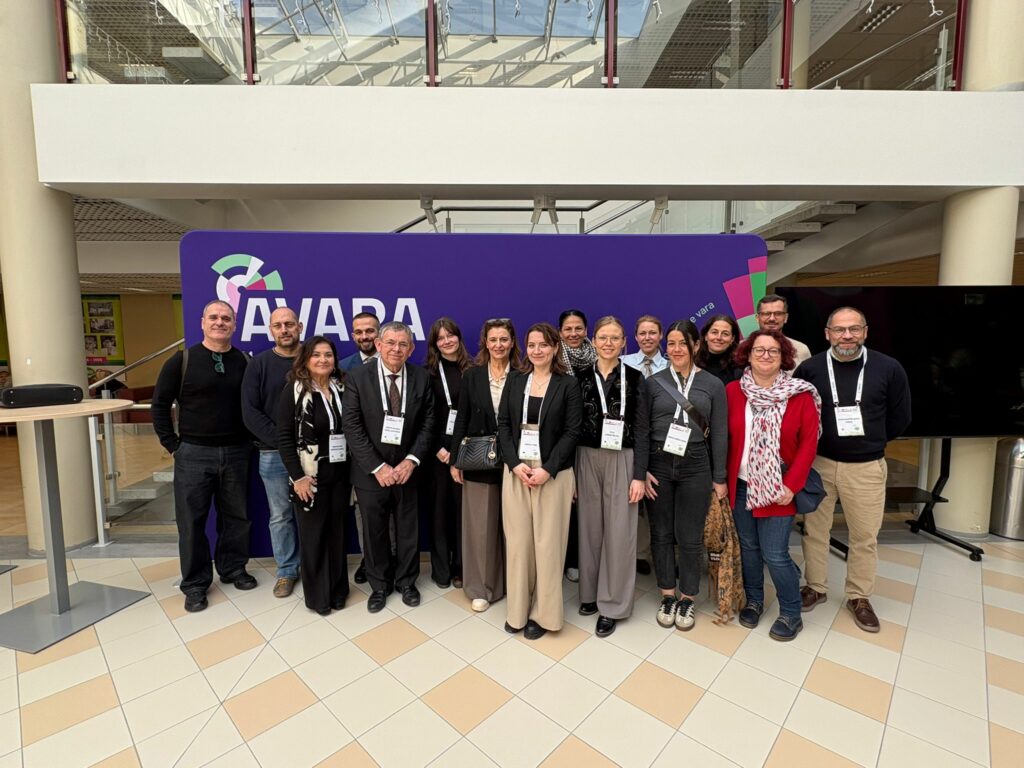
On 9–11 March, EARLALL took part in the LeadEx (Learning about the Educational Approach to Develop Excellence) Interreg Europe project study visit in Tallinn, Estonia, hosted by the Estonian Quality Agency for Education (HAKA). The event brought together stakeholders, regional representatives, project partners and experts to explore the Estonian education system. Discussions also focused on continuous professional development for teachers.
As an advisory partner in the project, EARLALL presented the key takeaways from the Joint Regional Education Diagnosis Report and facilitated a workshop launching the first phase of interregional learning.
The first day of the study visit was opened by Heli Mattisen, Director of HAKA, who highlighted the strong role of education in today’s society. She underlined that education is one of the key tools for addressing societal prejudices and combating social exclusion.
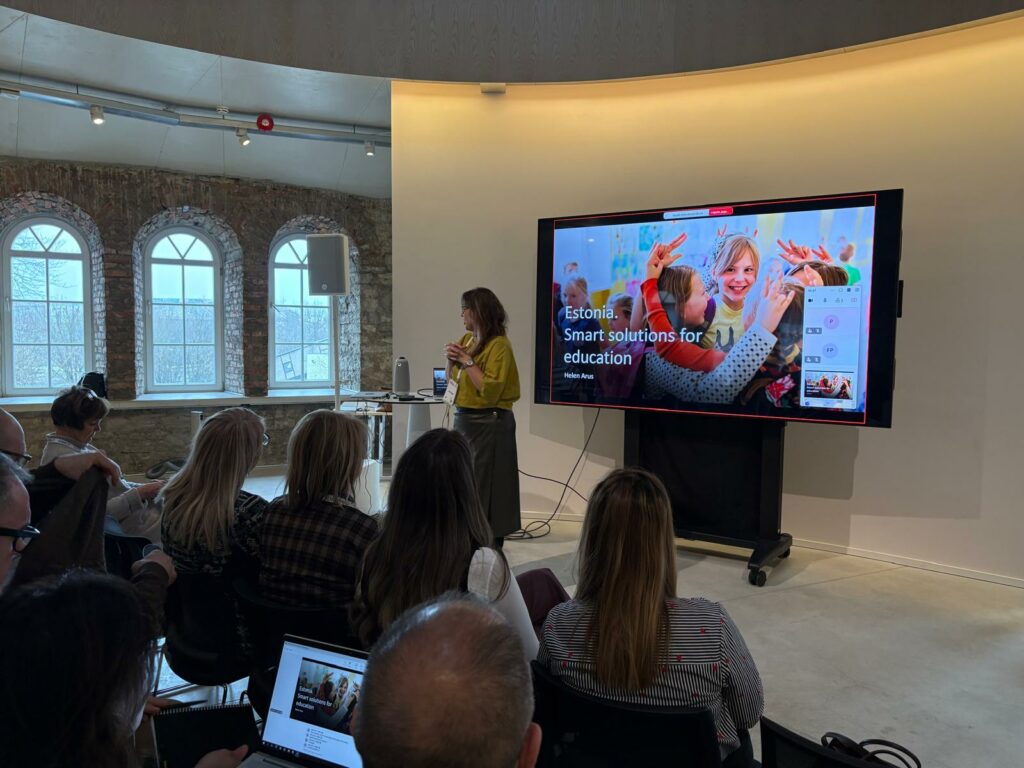
Helen Arus, Head of General Education at HAKA, continued the discussion by presenting insights into the Estonian education system. She emphasised that Estonia had a unique opportunity to rebuild its education system after the dissolution of the Soviet Union, developing an innovative and highly digitalised approach to education.
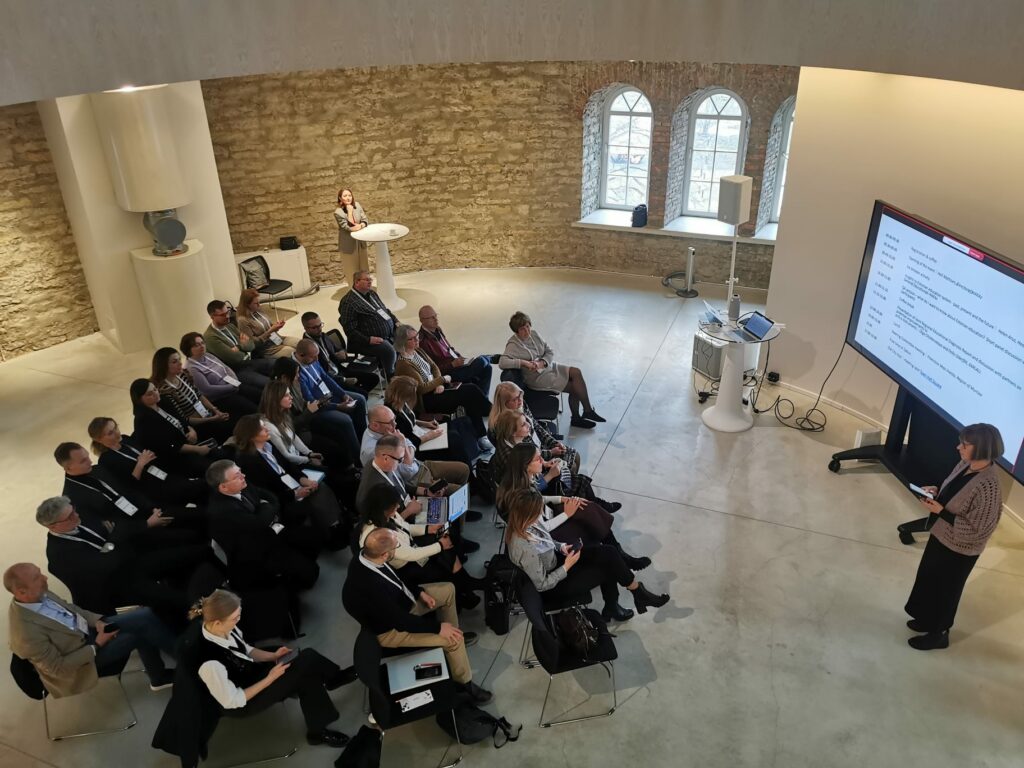
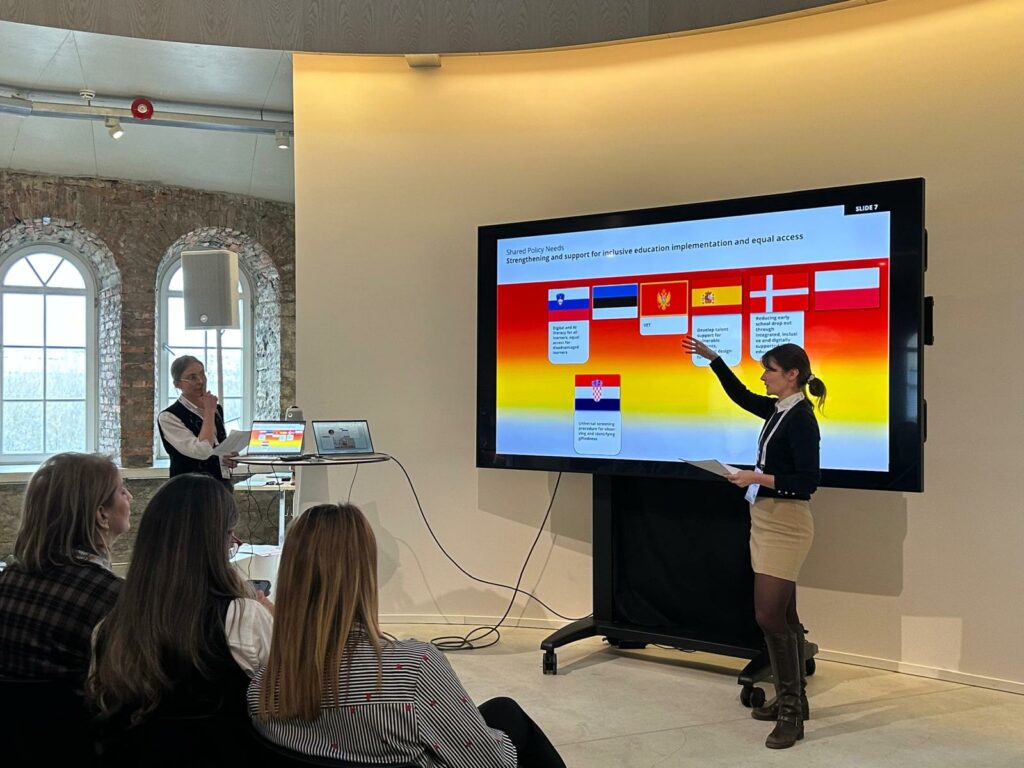
EARLALL presented the Joint Regional Educational Diagnosis Report, which provides a comparative analysis of educational policy instruments across partners and serves as an important basis for improving the policy instruments. The analysis identifies policy needs, key challenges and strengths across four sub-themes that structure the LeadEx project:
- Inclusion, diversity and excellence, ensuring that education systems meet the needs of all learners regardless of their abilities, cultural background or personal circumstances;
- Educational innovation, including the adoption of new technologies and innovative pedagogical approaches;
- Integral development, highlighting that excellence goes beyond academic performance and also includes personal growth, soft skills, and emotional and ethical development;
- Continuous Professional Development (CPD) for teachers, recognising that ongoing teacher training is essential to keep pace with evolving pedagogical practices.
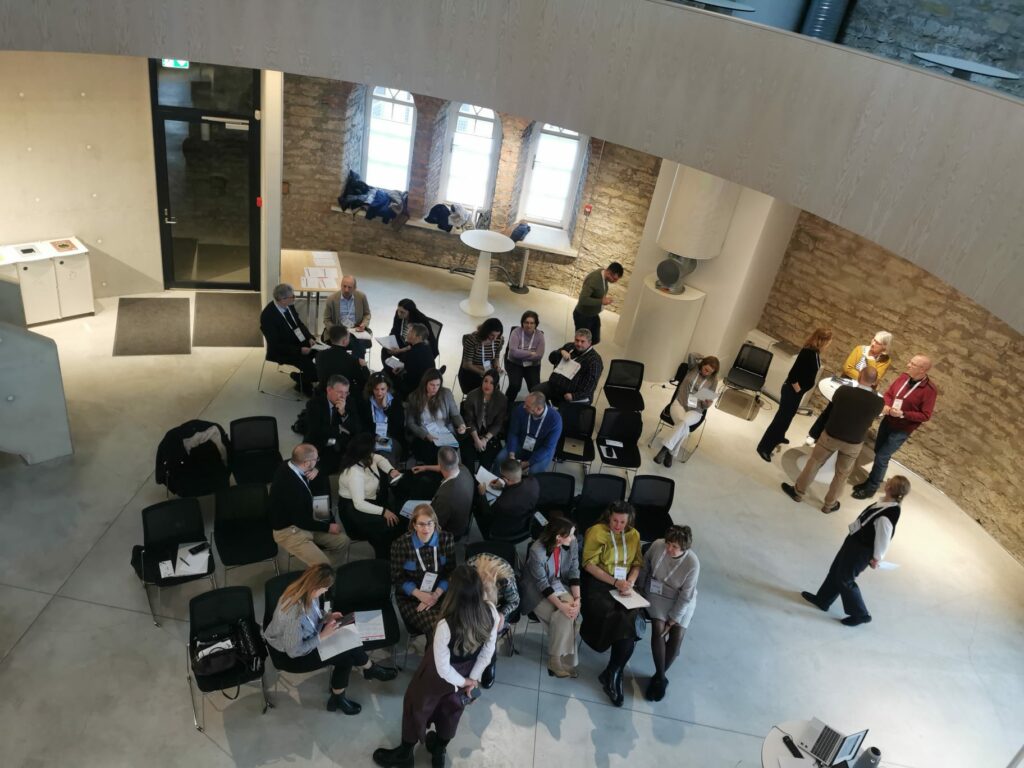
Teachers’ CPD was the main focus of the study visit. In this context, EARLALL facilitated the Interregional Learning Workshop on the Transferability of Good Practices related to Continuous CPD of Teachers. Through SWOT and transferability analyses, participants assessed the relevance of selected practices for their regional contexts, identified key success factors and implementation challenges, and explored opportunities for policy learning and adaptation.
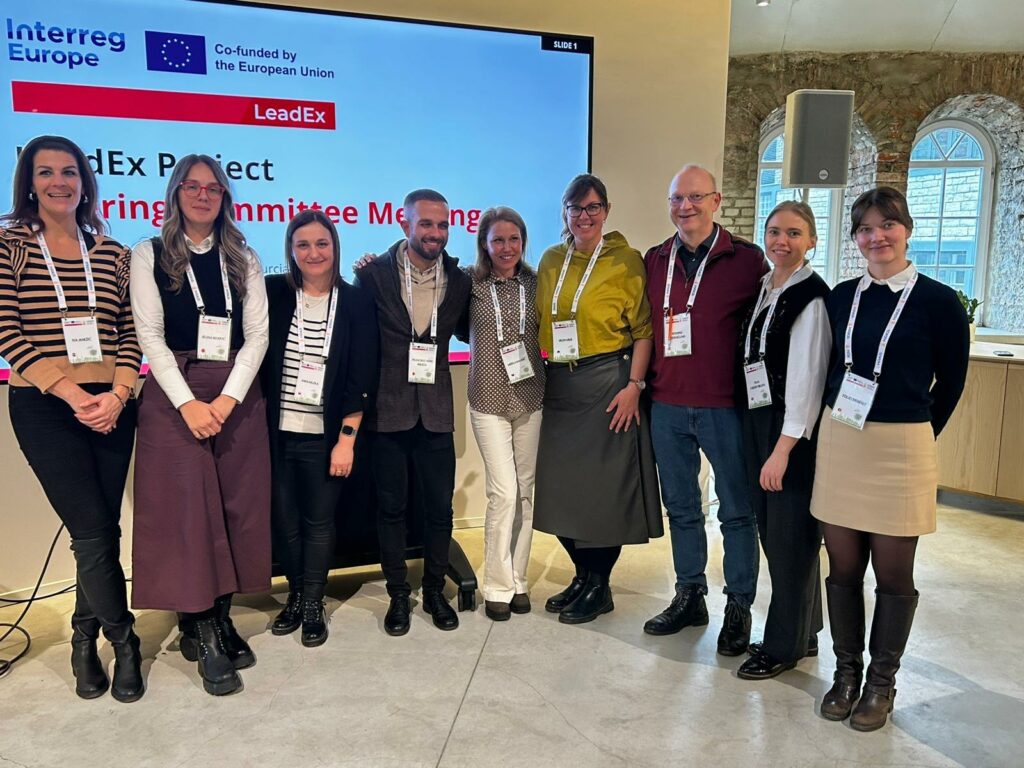
The day concluded with a Steering Committee meeting, during which key organisational matters were discussed and EARLALL presented the LeadEx good practices submission process.
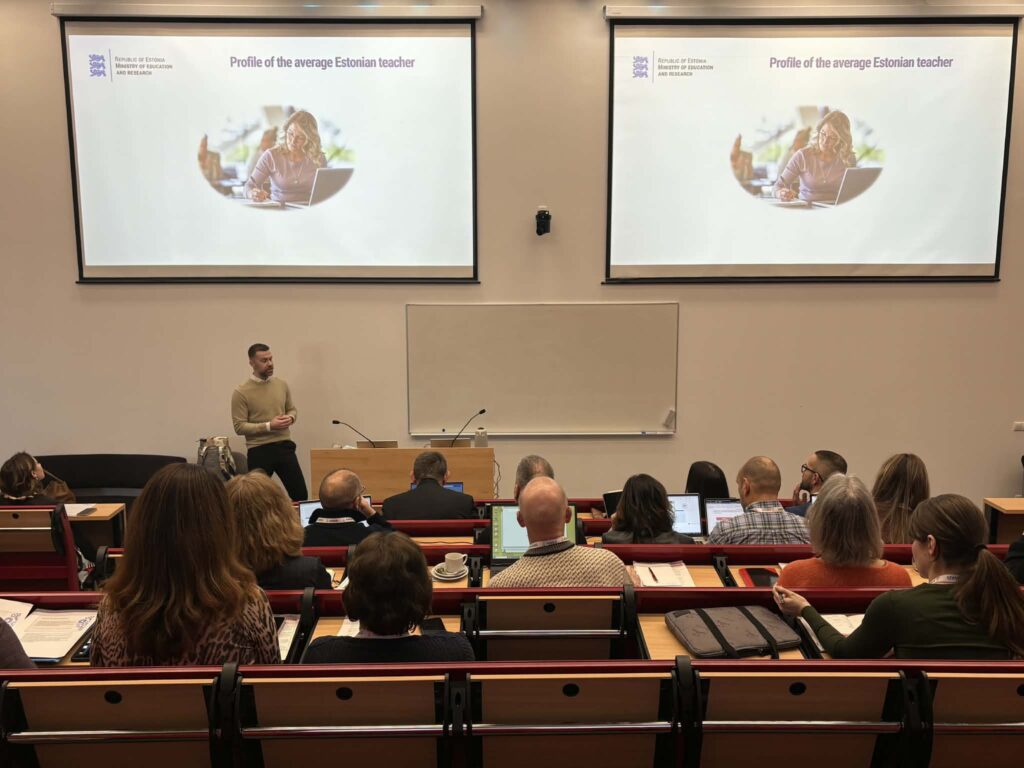
The second day of the study visit continued at Tallinn University. Taavi Kreitsmann from the Ministry of Education and Research provided an overview of current teacher professional development policies in Estonia. He also presented the nationwide framework for teacher development as an example of a contemporary approach to teaching and learning, highlighting the importance of strategic planning in creating more effective and flexible career pathways for teachers.
Sigrid Aruväli, Head of the Centre for Innovation in Education at Tallinn University, then presented the collaboration between Estonian universities, schools and teachers. She noted that approximately one in four novice teachers leave the profession within the first years. To address this challenge, Estonia has been strengthening cooperation between higher education institutions and schools, enabling novice teachers to work closely with experienced mentor teachers during their early careers.
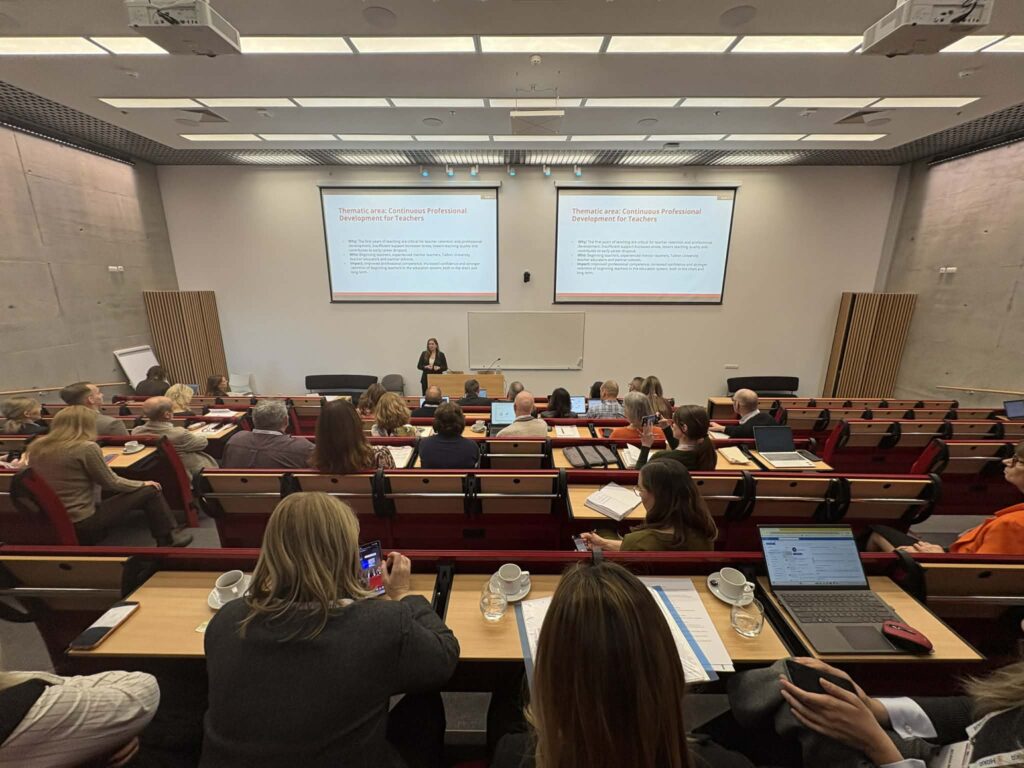
Following the presentations by Kreitsmann and Aruväli, representatives from the Central Denmark Region, the Region of Murcia (Spain), the Podkarpackie Region (Poland), and a stakeholder from the Slovenian Centre for School and Outdoor Education (CŠOD) presented best practices on teachers’ Continuous Professional Development (CPD).
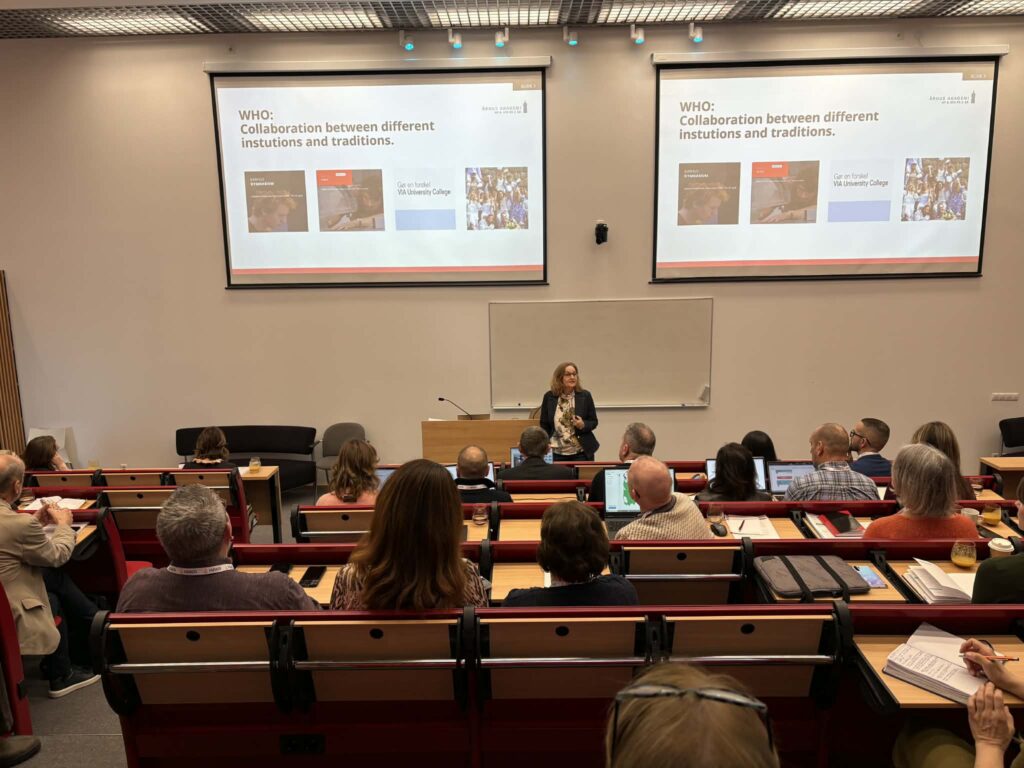
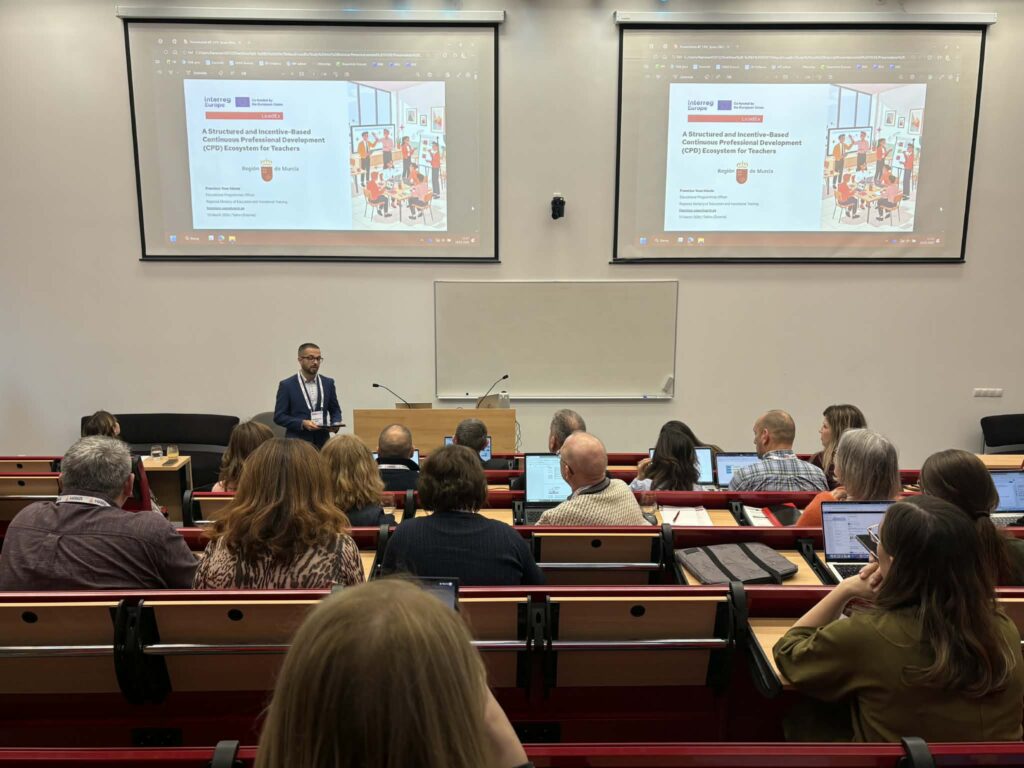
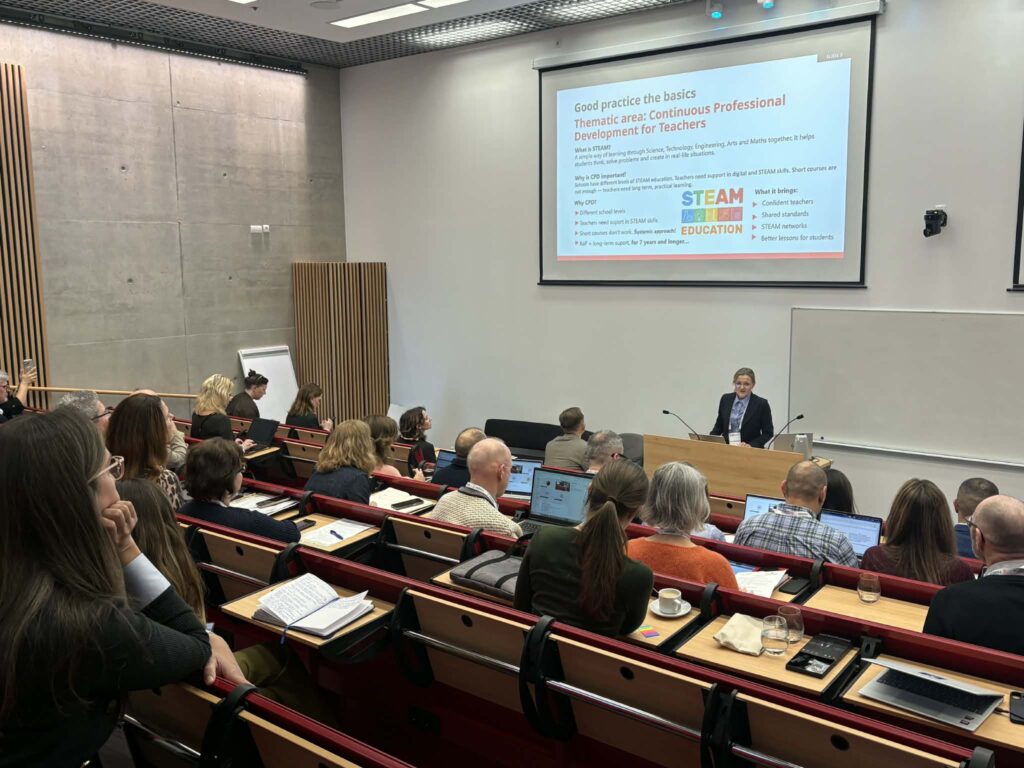
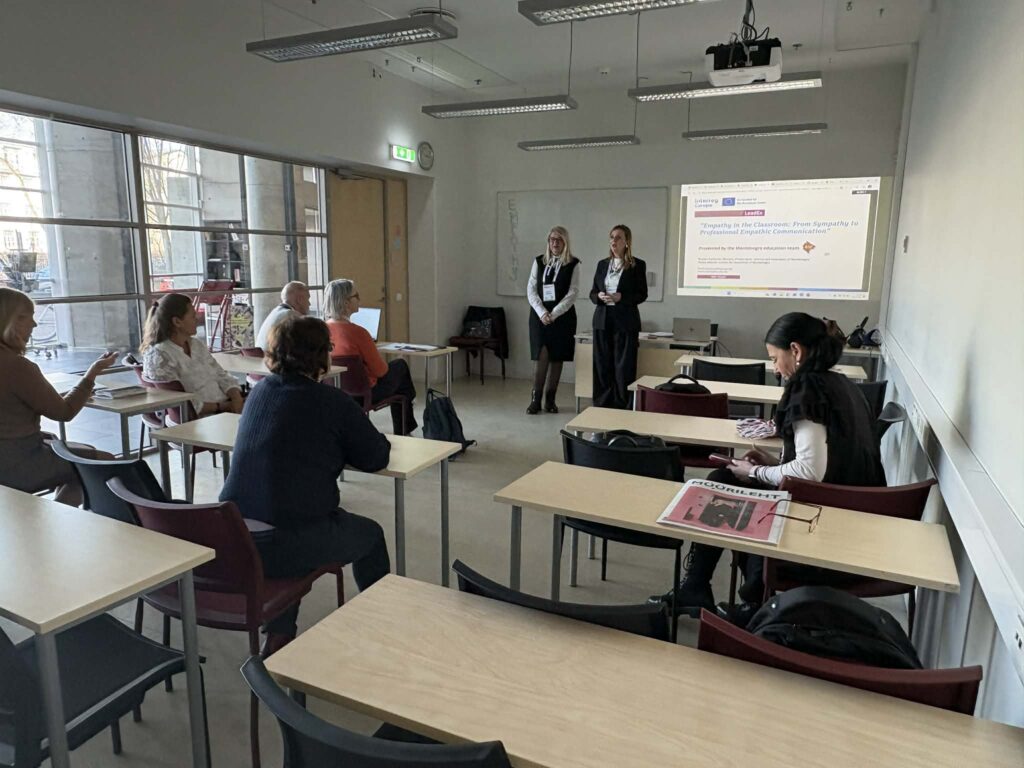
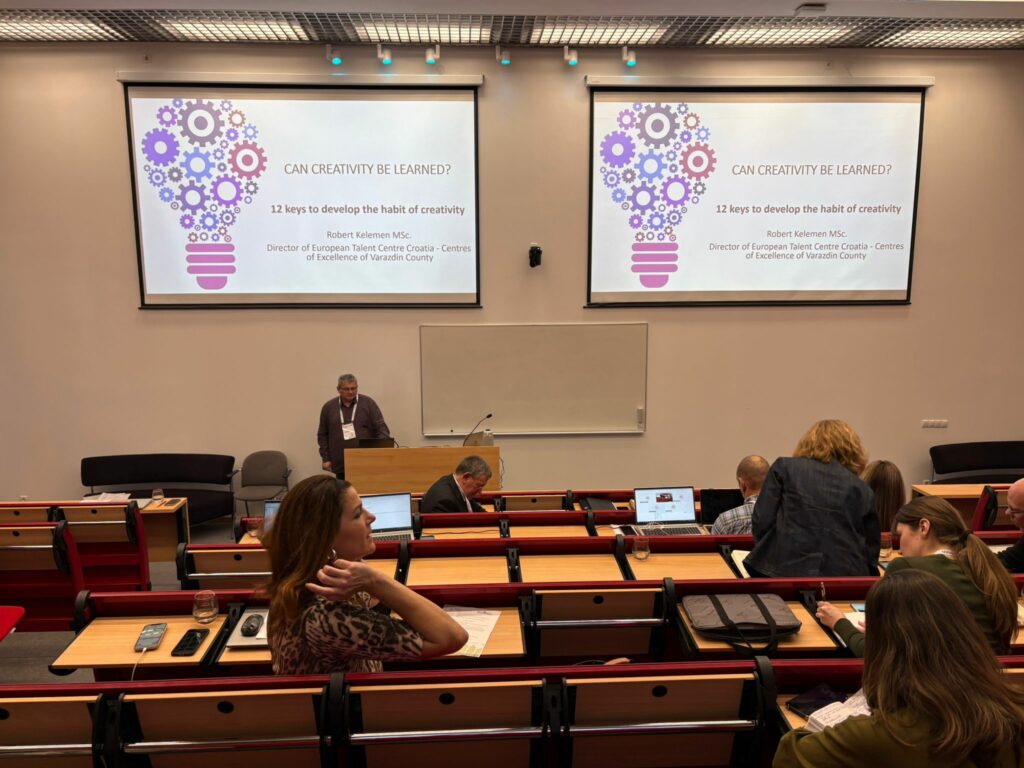
EARLALL member Varaždin County organised a hands-on workshop for project partners and stakeholders focusing on creativity in learning. Meanwhile, the Ministry of Education, Science and Innovation of Montenegro together with the Centre for Vocational Education of Montenegro facilitated a workshop on empathy in the classroom, highlighting the importance of professional empathic communication in teaching.
On the third day of the LeadEx study visit, project partners split into two groups to explore different aspects of the Estonian education ecosystem, including general education, vocational education and training (VET), education governance and digital innovation.
The first group, composed of Varaždin County, the Central Denmark Region, the Centre for Vocational Education from Montenegro and the Podkarpackie Region, visited Saku Gymnasium. Participants learned about the functioning of Estonian general education schools and toured the facilities with Development and Project Manager Maris Pajula. The group then continued to the HAKA, where Development Manager for General Education Kaisa Musting and Director Heli Mattisen presented the agency’s role in supporting quality assurance and continuous improvement in education.
The second group, including EARLALL together with the Ministry of Education of Slovenia and the Region of Murcia, visited the Ministry of Education and Research of Estonia. Adviser Maie Kitsing presented the strategic framework guiding Estonian education policy. The group then continued to the Tallinn School of Service (TEKO), where Headmaster Kristi Tarik introduced the institution’s work in vocational education and training.
In the afternoon, both groups reconvened for a joint session hosted by the Education and Youth Board of Estonia (HARNO). Project Manager Kai Koort presented several national digital education initiatives that support technological skills and innovation across the education system.
From Kai Koort, Education and Youth Board of Estonia, participants learned about Estonia’s digital education ecosystem, including programmes such as ProgeTiger, AI Leap and Hands-on Tech, as well as initiatives promoting youth engagement in technology such as Rakett 69 and Unicorn Squad. Digital learning tools, including the Opiq platform, were also presented as examples of personalised learning solutions used in Estonian schools.
Partners now look forward to the next LeadEx study visit, planned for autumn in Montenegro. During the visit, EARLALL together with project partners will continue the interregional learning process aimed at improving educational policy instruments. The meeting will further explore strategies for inclusion, diversity and excellence in education while strengthening cooperation and the exchange of best practices across participating regions.